

Optimizing Appliance Energy Consumption
Beyond climate control, the ESP32 serves as an effective watchdog for energy-intensive appliances. Dehumidifiers, for instance, are notorious for their high power draw. While many modern units come with built-in humidistats, these internal sensors are often inaccurate due to their proximity to the machine’s own damp coils and exhaust. Furthermore, many "smart" dehumidifiers rely on proprietary cloud services that can become unresponsive if the manufacturer’s servers go down or if the user’s internet connection flickers.
By connecting an ESP32 to a high-quality temperature and humidity sensor, such as the DHT22 or AM2302, a user can create a localized monitoring station placed at an ideal distance from the appliance. When integrated with a smart plug and a local control platform like Home Assistant, the ESP32 can dictate exactly when the dehumidifier should run. This prevents the device from struggling to extract moisture from an already dry room, significantly reducing the "vampire" energy load on the household. Because the logic remains local to the home network, the system remains functional and secure, regardless of the status of external cloud providers.
Reducing Domestic Waste and Replacement Costs
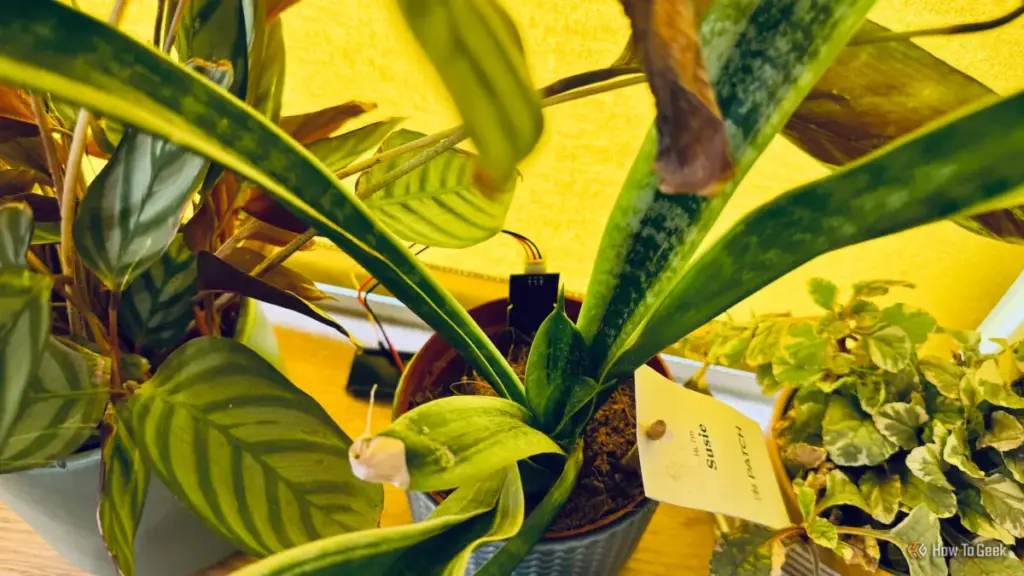
The financial benefits of DIY smart home technology also extend to the preservation of household assets, specifically in the realm of indoor gardening. The "black thumb" phenomenon—the tendency to accidentally kill houseplants through inconsistent watering—is a hidden cost for many homeowners who find themselves repeatedly replacing expensive greenery.
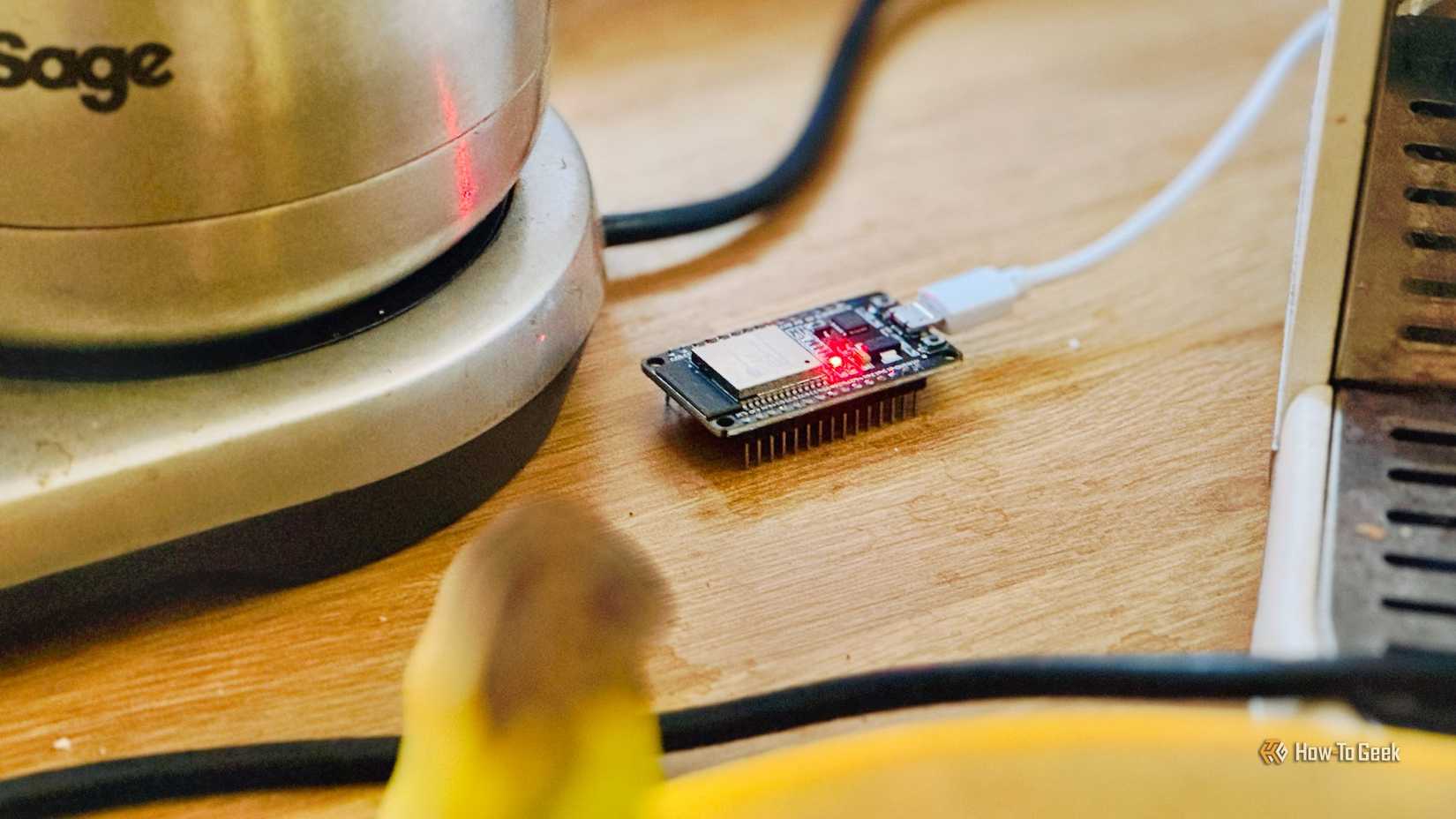
The ESP32 provides a data-driven approach to plant care that removes the guesswork associated with manual soil checks. By connecting the board to a capacitive soil moisture sensor, users can receive real-time data on the hydration levels of their plants. For those who prefer a standalone solution without the complexity of a central server, the ESP32 can be programmed to use its onboard LED as a visual alert system. When the soil moisture drops below a critical threshold, the LED flashes, providing an immediate, non-intrusive reminder to water the plant. This simple intervention can save a significant amount of money over time by extending the lifespan of houseplants and preventing the waste of resources.
Mitigating High-Stakes Risks: Leak Detection and Food Security
Perhaps the most compelling argument for the deployment of ESP32 sensors is their role in disaster prevention. Water damage is one of the leading causes of home insurance claims, and even a minor leak behind a washing machine or under a sink can escalate into a multi-thousand-dollar repair if left undetected.
 Tech Tutorials & How-To Guides
Asustor Lockerstor 2 Gen2+ NAS Review: A High-Security Storage Solution for Power Users and Small Businesses
In the rapidly evolving landscape of network-attached storage (NAS), the market is...
 Tech Tutorials & How-To Guides
From E-Waste to New Passions: How Repurposed Technology is Fueling a New Era of Accessible Geek Hobbies
For many technology enthusiasts, the "junk drawer" is a common household fixture—a...
 Tech Tutorials & How-To Guides
The Ghost in the Machine: Investigating the Root Causes of Unexpected Windows Wake Events
For many Windows users, the experience is unnervingly familiar: a desktop or...







