
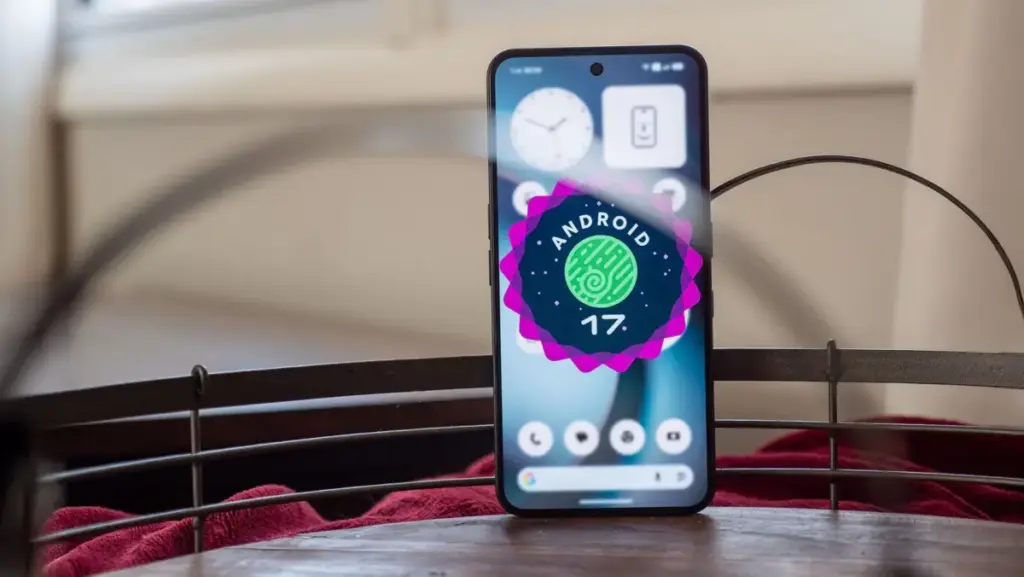
Google’s ambitious development cycle for Android 17 continues to move at a brisk pace, with the tech giant pushing out the latest iteration of its Quarterly Platform Release (QPR) testing phase. The arrival of Android 17 QPR3 Beta 3 marks a significant milestone in the software’s journey toward a stable release, offering a comprehensive suite of bug fixes, interface refinements, and the reintroduction of a highly anticipated security feature. This latest update follows closely on the heels of previous beta cycles, signaling Google’s commitment to polishing the user experience and ensuring system stability across its flagship Pixel device lineup.
The Android 17 development process has been characterized by a dual focus: maintaining the current stable environment while simultaneously building out the future of the operating system. With QPR3 entering its third beta stage, the emphasis has shifted from broad architectural changes to the meticulous "squashing" of bugs that have affected performance, connectivity, and visual consistency. While this release may not introduce a radical aesthetic overhaul, it provides the necessary "under-the-hood" maintenance required to ensure that Android remains a reliable and fluid platform for millions of users.
This new release arrives just over a week after the rollout of QPR3 Beta 2, which itself was a targeted effort to address immediate security vulnerabilities and system loopholes. By maintaining such a rapid cadence of updates, Google is demonstrating a proactive approach to software maintenance, particularly as it relates to the security of user data and the integrity of the Android ecosystem. The release notes for Beta 3, which were recently shared with the developer community on platforms like Reddit, highlight a total of 26 specific fixes that address everything from minor display glitches to critical system crashes.
App lock and bubbles get another shot
One of the most notable aspects of Android 17 QPR3 Beta 3 is the return of the "app lock" feature. This functionality has been a point of interest for privacy-conscious users for some time, and its comeback in this beta build suggests that Google has finalized the implementation details to meet its internal standards for security and usability. App lock provides an essential layer of protection for sensitive information, allowing users to secure individual applications behind biometric authentication or a PIN code. This is particularly useful for apps that handle financial data, private communications, or personal photos, ensuring that even if a device is unlocked, specific content remains inaccessible to unauthorized parties.
In addition to the return of app lock, Google is refining how users interact with multitasking features, specifically "app bubbles." While bubbles have been a part of the Android interface for several versions, their discoverability and ease of use have often been criticized. In Beta 3, Google has introduced the ability to launch app bubbles directly from the Recents menu. This change streamlines the workflow for users who frequently jump between different tasks, eliminating the need to navigate through complex sub-menus or notification settings to activate the feature. By integrating bubbles more deeply into the core navigation interface, Google is making a clear statement about the importance of fluid multitasking in the modern mobile experience.
The user interface refinements in this update also extend to the Quick Settings panel and the lock screen. A new camera shortcut has been added to the Quick Settings toggles, providing a convenient alternative for users who want to capture a moment quickly without having to locate the camera icon on their home screen or use the traditional power-button double-tap. Furthermore, Google has addressed a long-standing aesthetic complaint by restoring the lock screen blur effect that had been inadvertently removed or altered in a previous update. This return to form is accompanied by a functional fix for the lock screen alarm display, which now correctly shows the AM/PM indicator, ensuring that users can verify their wake-up times at a glance without confusion.
A bigger cleanup under the hood
Beyond the visible interface changes, Android 17 QPR3 Beta 3 focuses heavily on resolving "annoying" bugs that have plagued early adopters of the beta software. One of the primary areas of focus has been the stability of foldable devices. Users of Google’s foldable hardware had reported issues with the inner display remaining black when unfolding the device—a critical failure for a form factor defined by its dual-screen utility. Beta 3 includes a targeted fix for this behavior, alongside resolutions for random screen flickering that had been observed across various Pixel models.
Connectivity and hardware integration have also received significant attention in this build. Google has addressed failures in WPA-Enterprise Wi-Fi authentication, a fix that will be particularly welcomed by enterprise users and students who rely on secure campus networks. Additionally, the update resolves a recurring issue where Bluetooth scans would cause the system to crash, a bug that had hindered the pairing process for wearables and audio peripherals. For those who use their Pixel devices as high-quality webcams for their computers, Beta 3 brings improvements to video quality, addressing reports of poor resolution and stuttering that had diminished the utility of the feature.
Social media enthusiasts and power users will also find relief in this update, as Google has fixed a specific crash that occurred when viewing mentions within X (formerly Twitter) threads. This fix, along with the restoration of broken "force-stop" controls in the system settings, suggests that Google is paying close attention to how the OS interacts with third-party applications and system management tools. Other miscellaneous fixes included in the 26-point list involve the restoration of missing notification elements and general improvements to system stability that should result in a more "snappy" and responsive feel during daily use.
The rollout of Android 17 QPR3 Beta 3 is currently available for a wide range of Google hardware, specifically the Pixel 6a and all subsequent models. In a move that highlights the diversity of the current Pixel lineup, Google has issued two distinct build numbers for this release. Most supported devices will receive build DP11.261016.003. However, for the latest hardware iterations, including the Pixel 11 series mentioned in the release documentation, the build is designated as DP11.261016.004. This slight variation ensures that the software is optimized for the specific hardware configurations of the newest devices in the ecosystem.
For enthusiasts who wish to experience these changes firsthand, Google continues to offer enrollment through the official Android Beta Program. However, as is standard with all pre-release software, the company advises users to proceed with caution. Beta builds, by their very nature, are work-in-progress versions of the operating system and can contain unforeseen bugs that may impact device performance or battery life. It is strongly recommended that users perform a full backup of their personal data before installing the update, as reverting to a stable version of Android typically requires a complete factory reset of the device.
Looking toward the broader horizon, the roadmap for Android 17 remains ambitious. The stable version of Android 17 QPR2 is currently projected to reach general availability toward the end of 2026. Following that milestone, QPR3 is expected to serve as the final round of refinements and enhancements before the platform moves toward its next major generational shift in 2027. This long-term development strategy allows Google to iterate on features in a controlled environment, gathering valuable telemetry and user feedback to ensure that when the software finally reaches the hands of the general public, it is as polished and secure as possible.
As Google continues to refine the Android 17 experience, the QPR3 Beta 3 release serves as a testament to the importance of the feedback loop between developers and the user community. By addressing 26 distinct issues in a single update and reintroducing features like app lock, Google is not only fixing the present but also shaping a more secure and user-friendly future for the Android platform. Pixel owners who are part of the beta program can check for the update now through their system settings, marking another step forward in the evolution of the world’s most popular mobile operating system.
 Mobile Device Management (MDM) & Mobile OS
Google Messages Overhauls Interface with New Gestures and Contextual Menus for Android Users
Google is currently in the process of rolling out a significant update...
 Mobile Device Management (MDM) & Mobile OS
Enhancing the Mobile Experience: The Essential Role of Affordable Audio Accessories in the Smartphone Era
The modern smartphone has undergone a radical transformation over the last decade,...
 Mobile Device Management (MDM) & Mobile OS
Xiaomi Unveils the 18 Pro and 18 Pro Max: A Dual-Screen Powerhouse Aimed at the Global Ultra-Premium Market
Following a notable absence in the international flagship market last year, Xiaomi...







