
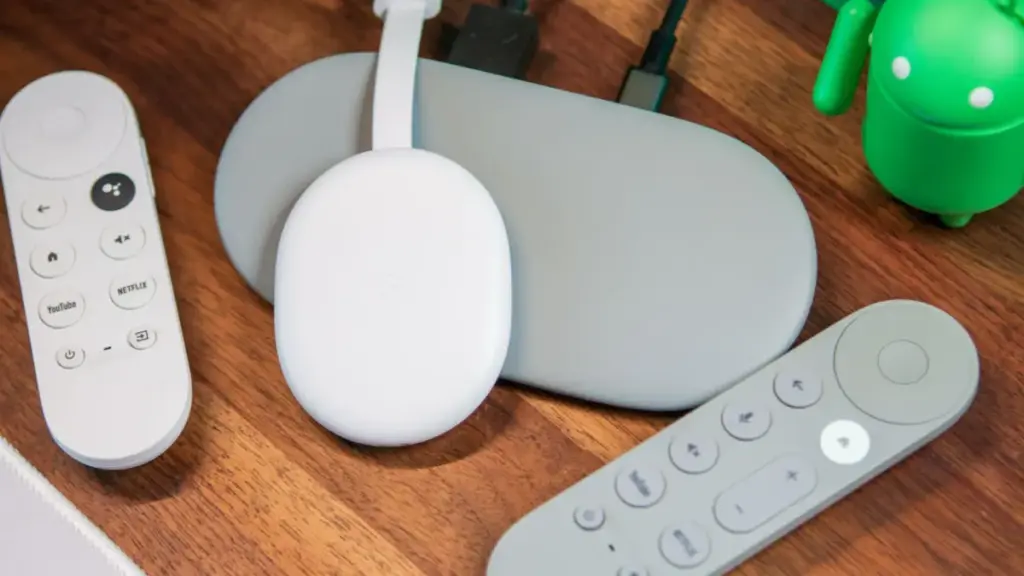
Google appears to be accelerating its ambitions for the living room, as new reports suggest a successor to the recently released Google TV Streamer is already deep in development. Despite the current model having only recently hit the market as a replacement for the long-standing Chromecast line, the tech giant is reportedly looking to further bridge the gap between a traditional streaming set-top box and a fully integrated smart home hub.
The Google TV Streamer marked a significant pivot in Google’s hardware strategy. By retiring the "Chromecast" branding in favor of a more substantial set-top box form factor, Google signaled that it no longer viewed the television experience as a secondary "cast-to" utility, but as a primary computing interface for the home. According to a detailed report from 9to5Google, the next iteration of this hardware is poised to double down on this philosophy, introducing sophisticated sensors and audio hardware that could fundamentally change how users interact with their entertainment systems.
A Refined Design for the Modern Home
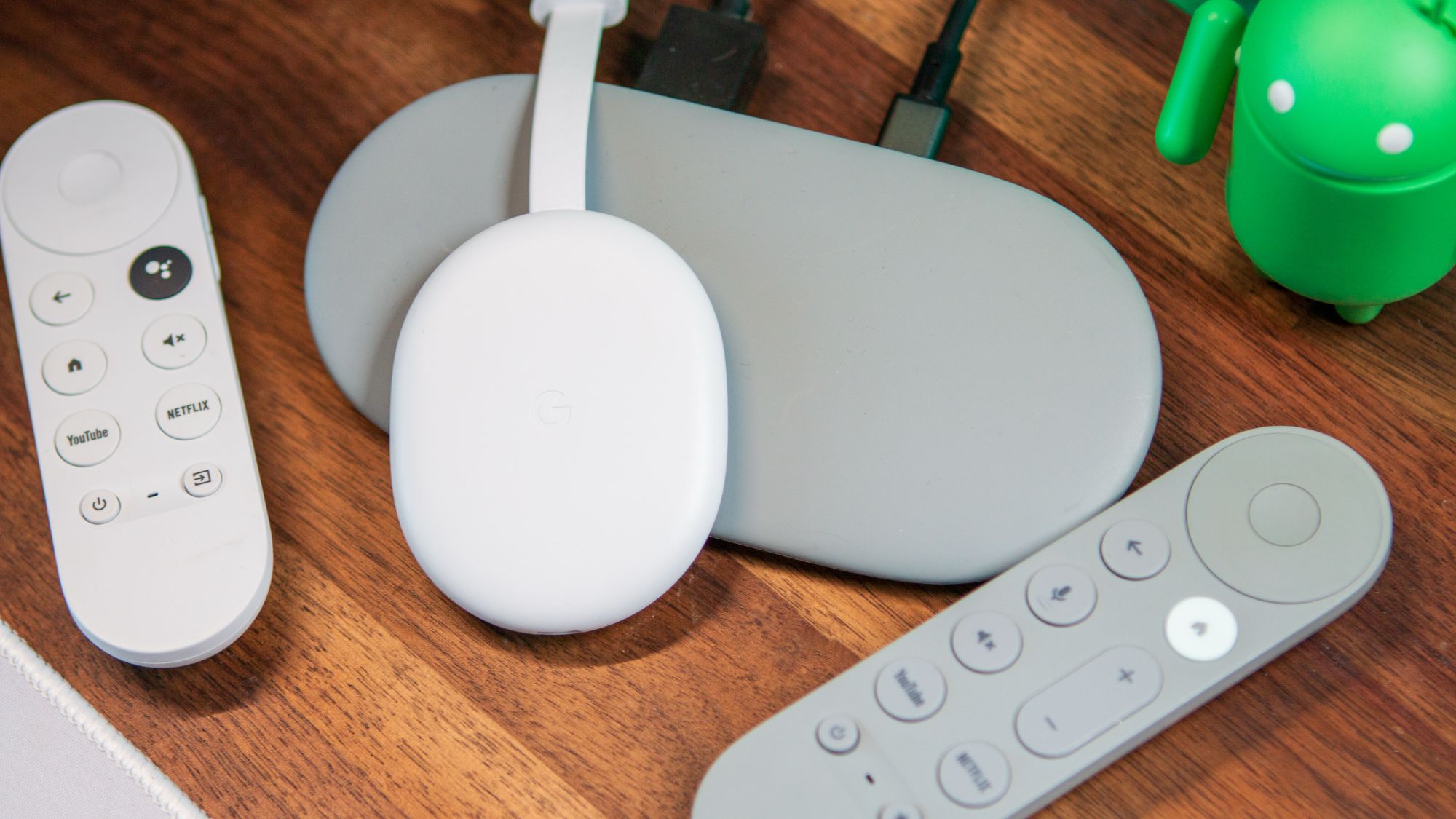
The transition from the dongle-style Chromecast to the wedge-shaped Google TV Streamer was a major aesthetic shift. The current model was designed to sit atop a media console rather than dangle behind a television, allowing for better thermal management and easier access to ports. The upcoming second-generation model is expected to maintain this desktop-friendly design language, though early reports suggest it will feature a slightly narrower footprint.
This move toward a more compact design suggests that Google is listening to feedback regarding shelf space and the desire for hardware that blends seamlessly into home decor. However, while the exterior may be shrinking slightly, the internal capabilities are reportedly expanding significantly. The shift in dimensions is likely a byproduct of more efficient internal layouts or a response to the need for better acoustic placement for its new rumored features.
Hands-Free Interaction: The Rise of the Living Room Microphone
Perhaps the most significant hardware upgrade mentioned in the report is the inclusion of built-in far-field microphones directly within the streamer itself. Currently, the Google TV experience is heavily reliant on the remote control. If a user wants to search for a show, dim the lights, or ask a question, they must reach for the remote and hold down the Assistant button.
By integrating microphones into the base unit, Google is essentially turning the TV Streamer into a Nest Mini or Nest Audio for the living room. This would allow for "Hey Google" functionality without the need for a separate smart speaker in the same room. For users, this means truly hands-free control: the ability to walk into a room and say, "Hey Google, play Stranger Things on Netflix," or "Hey Google, show me the front door camera," with the TV responding immediately.
This integration is particularly relevant given Google’s recent push into generative AI with Gemini. As Gemini becomes more deeply woven into the Google TV interface, having a constant, low-power listening state on the streamer would allow for more natural, conversational interactions. Instead of just searching for titles, users could theoretically engage in more complex queries about the content they are watching or manage their entire smart home ecosystem with greater ease.
 Mobile Device Management (MDM) & Mobile OS
Samsung Reportedly Developing ‘Galaxy Studio’ Over-Ear Headphones to Challenge Apple and Sony
The landscape of the premium audio market has long been defined by...
 Mobile Device Management (MDM) & Mobile OS
Amazon Slashes Samsung Galaxy S26 Ultra Price by $450 Following Recent Market Adjustments
In a surprising turn of events for the mobile industry, the Samsung...
 Mobile Device Management (MDM) & Mobile OS
Google Expands Certified Refurbished Program to Include Pixel 9 Series with Significant Price Cuts
Google has officially expanded its hardware offerings in the United States by...







