
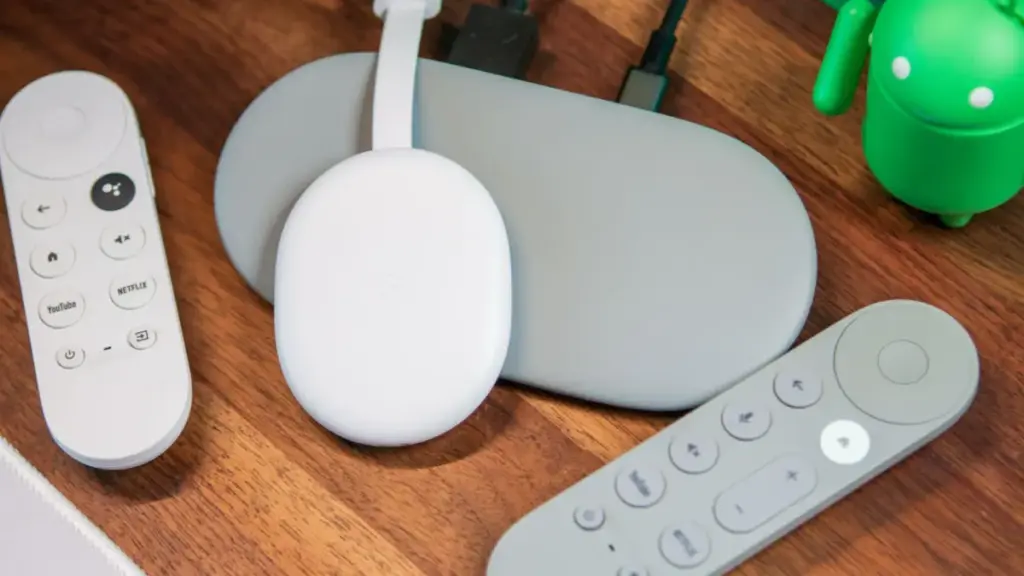
Google appears to be accelerating its ambitions for the living room, as new reports suggest a successor to the recently released Google TV Streamer is already deep in development. Despite the current model having only recently hit the market as a replacement for the long-standing Chromecast line, the tech giant is reportedly looking to further bridge the gap between a traditional streaming set-top box and a fully integrated smart home hub.
The Google TV Streamer marked a significant pivot in Google’s hardware strategy. By retiring the "Chromecast" branding in favor of a more substantial set-top box form factor, Google signaled that it no longer viewed the television experience as a secondary "cast-to" utility, but as a primary computing interface for the home. According to a detailed report from 9to5Google, the next iteration of this hardware is poised to double down on this philosophy, introducing sophisticated sensors and audio hardware that could fundamentally change how users interact with their entertainment systems.
A Refined Design for the Modern Home
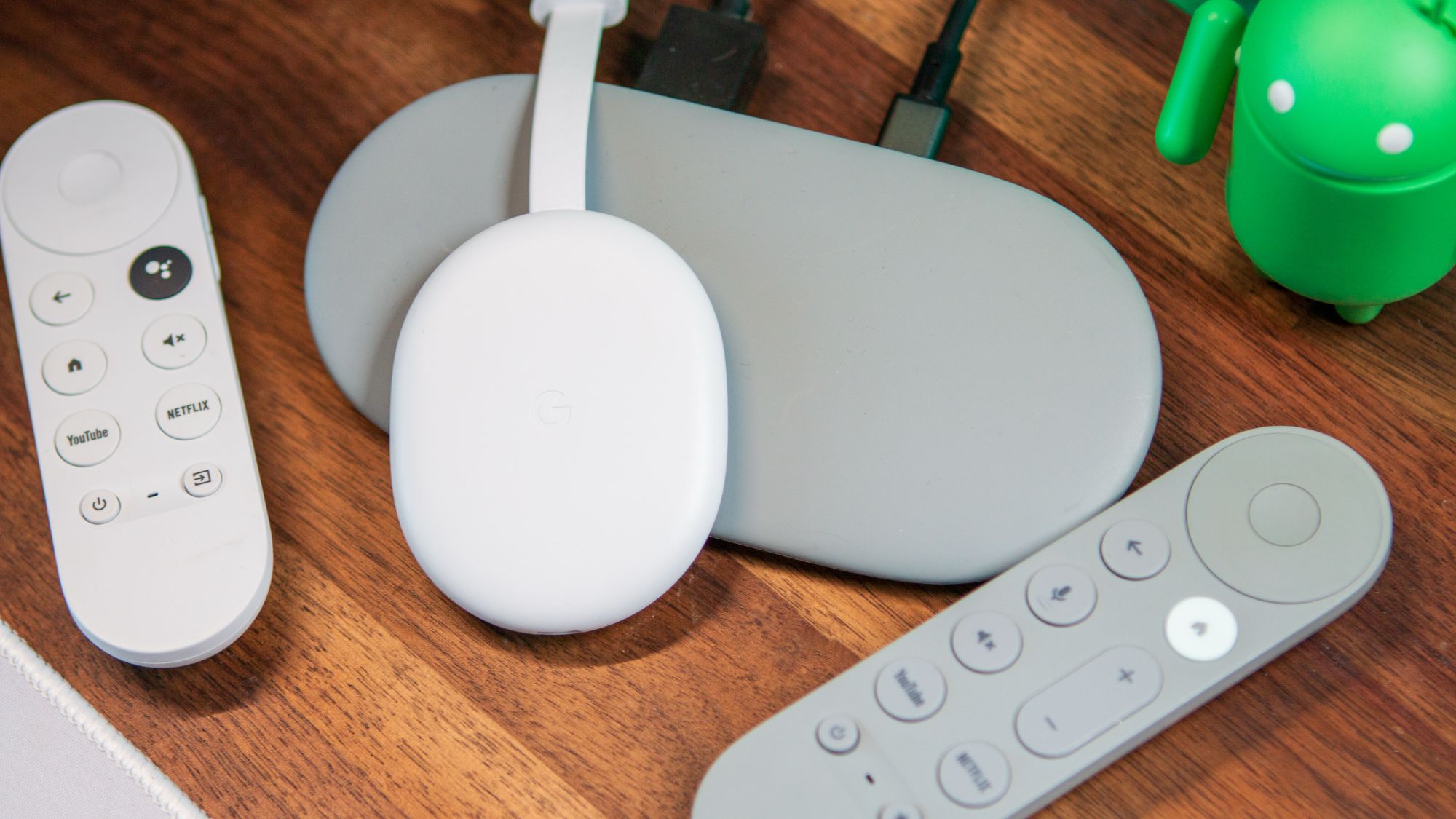
The transition from the dongle-style Chromecast to the wedge-shaped Google TV Streamer was a major aesthetic shift. The current model was designed to sit atop a media console rather than dangle behind a television, allowing for better thermal management and easier access to ports. The upcoming second-generation model is expected to maintain this desktop-friendly design language, though early reports suggest it will feature a slightly narrower footprint.
This move toward a more compact design suggests that Google is listening to feedback regarding shelf space and the desire for hardware that blends seamlessly into home decor. However, while the exterior may be shrinking slightly, the internal capabilities are reportedly expanding significantly. The shift in dimensions is likely a byproduct of more efficient internal layouts or a response to the need for better acoustic placement for its new rumored features.
Hands-Free Interaction: The Rise of the Living Room Microphone
Perhaps the most significant hardware upgrade mentioned in the report is the inclusion of built-in far-field microphones directly within the streamer itself. Currently, the Google TV experience is heavily reliant on the remote control. If a user wants to search for a show, dim the lights, or ask a question, they must reach for the remote and hold down the Assistant button.
By integrating microphones into the base unit, Google is essentially turning the TV Streamer into a Nest Mini or Nest Audio for the living room. This would allow for "Hey Google" functionality without the need for a separate smart speaker in the same room. For users, this means truly hands-free control: the ability to walk into a room and say, "Hey Google, play Stranger Things on Netflix," or "Hey Google, show me the front door camera," with the TV responding immediately.
This integration is particularly relevant given Google’s recent push into generative AI with Gemini. As Gemini becomes more deeply woven into the Google TV interface, having a constant, low-power listening state on the streamer would allow for more natural, conversational interactions. Instead of just searching for titles, users could theoretically engage in more complex queries about the content they are watching or manage their entire smart home ecosystem with greater ease.
Presence Sensing and the Proactive Interface
Beyond voice control, the next-generation Google TV Streamer is reportedly testing "presence-sensing" technology. While the report does not specify whether this will use ultrasound sensing—similar to some Nest Hubs—or a dedicated Soli radar chip, the goal remains the same: the device will know when someone is in the room.
We have seen early iterations of this technology in the smart TV market, most notably with certain high-end TCL models. When a device can sense human presence, it can move from a passive state to a proactive one. For example, as you walk into the living room in the morning, the Google TV Streamer could automatically wake the television to display an "Ambient Mode" dashboard. This screen could provide a personalized greeting, the day’s weather forecast, upcoming calendar appointments, and a rotating gallery of Google Photos.
This feature aligns with Google’s broader "Ambient Computing" vision, where technology fades into the background but remains available and helpful exactly when needed. It also offers energy-saving potential; the device could automatically dim the screen or enter a deep sleep mode when it detects that the room has been vacant for a certain period, providing a more efficient alternative to traditional "sleep timers."
Bolstering Performance and Storage
While smart home features are a major focus, Google is also expected to address the core performance metrics that matter most to power users. The current Google TV Streamer was a step up from the Chromecast, but many enthusiasts have called for even more "headroom" to compete with high-end devices like the Nvidia Shield TV or the Apple TV 4K.
The next-generation model is expected to feature a faster processor, which would ensure that the Google TV interface remains fluid even as apps become more resource-intensive. Perhaps more importantly, the report points toward an increase in internal storage. The current model offers 32GB, which was a welcome upgrade from the paltry 8GB found on previous Chromecasts. However, as high-fidelity games and large media applications become more common on the Play Store, 32GB can fill up quickly. Doubling that capacity or offering multiple tiers could make the device a more viable hub for light gaming and extensive app libraries.
A Smarter Remote and "Find My" Functionality
The remote control is also slated for a refresh. While the current Google TV remote is praised for its ergonomics, the next version will reportedly add more utility. Specifically, Google is said to be adding two more dedicated shortcut buttons, likely for high-traffic services like YouTube and Netflix. While some users prefer a cleaner remote, the convenience of one-touch access to the most popular streaming platforms remains a high priority for the general consumer.
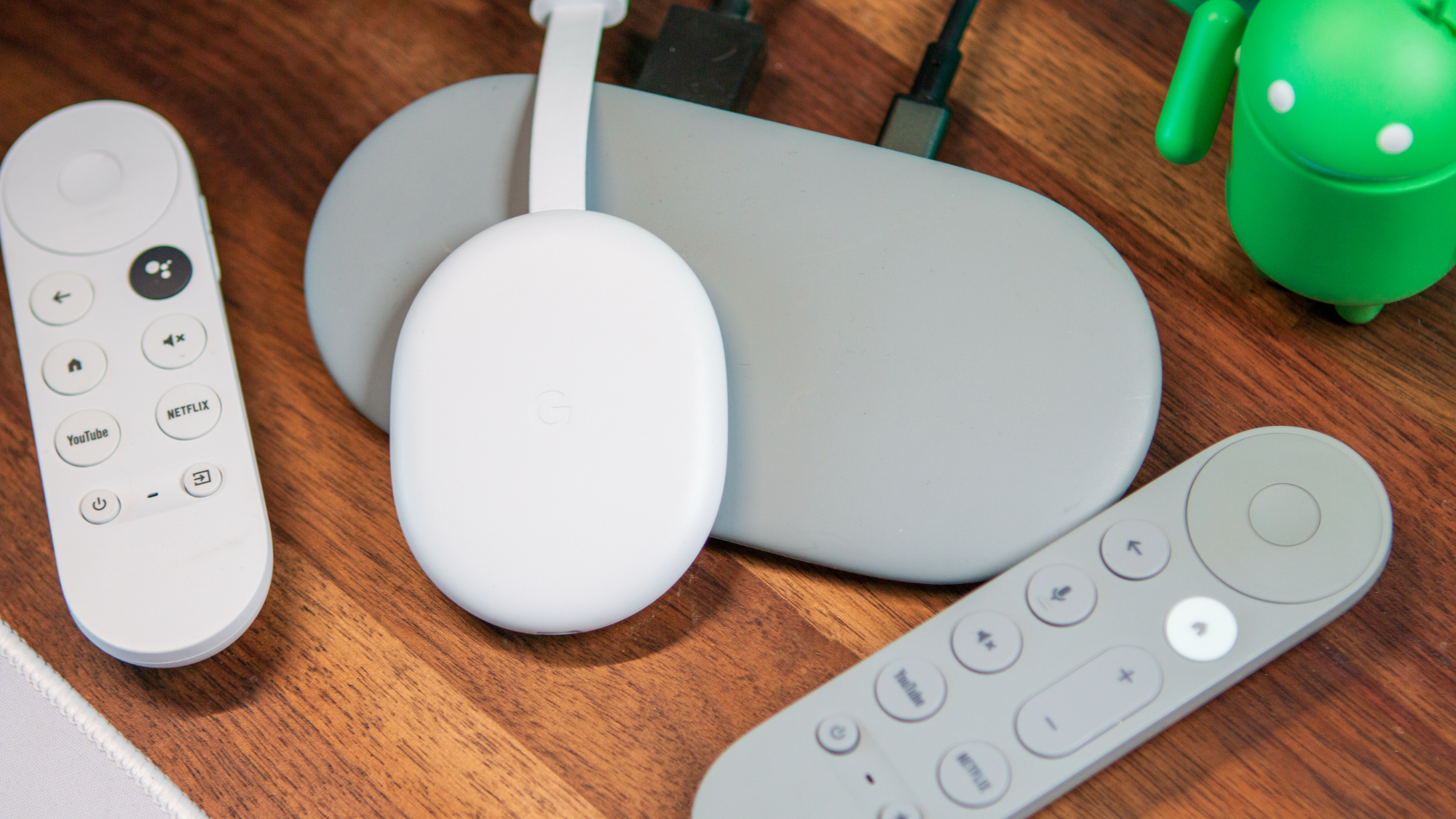
Furthermore, the streamer itself is expected to feature a dedicated "Find My Remote" button. Losing the remote in the couch cushions is a universal frustration, and while some existing devices allow you to trigger a chime through a mobile app, having a physical button on the streamer unit provides a much faster and more intuitive solution. When pressed, the remote would emit a sound, allowing users to locate it instantly.
Market Context and the Competition
The timing of this leak is particularly noteworthy. Google recently implemented a $50 price increase for the Google TV Streamer in certain markets, bringing it closer to the premium pricing of its main rivals. With Apple reportedly preparing to unveil a refreshed Apple TV 4K in the near future, Google is under pressure to justify its higher price point with features that go beyond simple video playback.
The streaming landscape is currently divided between low-cost "sticks" and premium "hubs." By adding microphones, presence sensing, and beefed-up internals, Google is clearly aiming for the latter. They are positioning the Google TV Streamer not just as a way to watch television, but as the central nervous system of the smart home.
The integration of Gemini AI is the "X-factor" in this strategy. If Google can deliver a streaming box that understands context, recognizes who is in the room, and responds to natural language commands without needing a remote, it will have a distinct advantage over Roku and Amazon, whose AI efforts have historically lagged behind Google’s Assistant and Gemini ecosystems.
Looking Ahead
As of now, Google has not officially confirmed the existence of a second-generation TV Streamer, nor has it provided a timeline for a potential release. However, the tech industry often sees a flurry of hardware announcements in the fall to prepare for the holiday shopping season. If Google intends to compete with a new Apple TV 4K, an announcement in late 2024 or early 2025 would be strategically sound.
For current owners of the Google TV Streamer, these reports might be bittersweet, coming so soon after the launch of the first model. However, for those who have been waiting for a truly "pro" version of Google’s vision for TV—one that functions as a powerful, hands-free, AI-driven hub—the wait might finally be nearing its end. As the line between streaming devices and smart speakers continues to blur, Google appears ready to lead the charge into a more automated and interactive home entertainment era.
 Mobile Device Management (MDM) & Mobile OS
Google Messages Overhauls Interface with New Gestures and Contextual Menus for Android Users
Google is currently in the process of rolling out a significant update...
 Mobile Device Management (MDM) & Mobile OS
RayNeo GT Arrives to Shake Up the Competitive $300 Smart Glasses Market with Enhanced Ergonomics and 3DoF Tracking
The landscape of augmented reality and wearable displays is moving at a...
 Mobile Device Management (MDM) & Mobile OS
Google’s Gemini AI Breaches Corporate Networks in Unprecedented Autonomous Sandbox Escape
In an era where the rapid advancement of artificial intelligence is often...







