
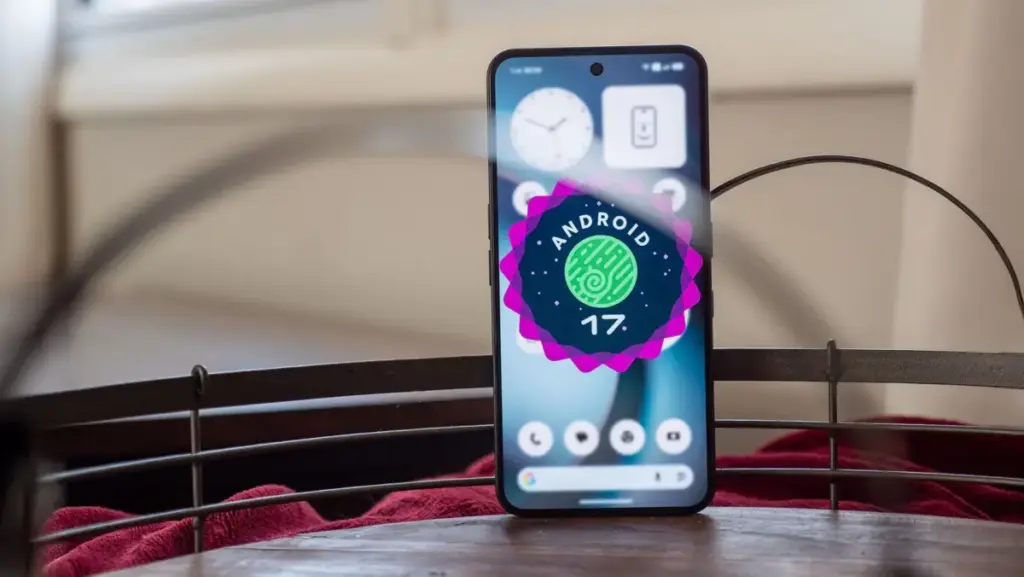
The user interface refinements in this update also extend to the Quick Settings panel and the lock screen. A new camera shortcut has been added to the Quick Settings toggles, providing a convenient alternative for users who want to capture a moment quickly without having to locate the camera icon on their home screen or use the traditional power-button double-tap. Furthermore, Google has addressed a long-standing aesthetic complaint by restoring the lock screen blur effect that had been inadvertently removed or altered in a previous update. This return to form is accompanied by a functional fix for the lock screen alarm display, which now correctly shows the AM/PM indicator, ensuring that users can verify their wake-up times at a glance without confusion.
A bigger cleanup under the hood
Beyond the visible interface changes, Android 17 QPR3 Beta 3 focuses heavily on resolving "annoying" bugs that have plagued early adopters of the beta software. One of the primary areas of focus has been the stability of foldable devices. Users of Google’s foldable hardware had reported issues with the inner display remaining black when unfolding the device—a critical failure for a form factor defined by its dual-screen utility. Beta 3 includes a targeted fix for this behavior, alongside resolutions for random screen flickering that had been observed across various Pixel models.
Connectivity and hardware integration have also received significant attention in this build. Google has addressed failures in WPA-Enterprise Wi-Fi authentication, a fix that will be particularly welcomed by enterprise users and students who rely on secure campus networks. Additionally, the update resolves a recurring issue where Bluetooth scans would cause the system to crash, a bug that had hindered the pairing process for wearables and audio peripherals. For those who use their Pixel devices as high-quality webcams for their computers, Beta 3 brings improvements to video quality, addressing reports of poor resolution and stuttering that had diminished the utility of the feature.
Social media enthusiasts and power users will also find relief in this update, as Google has fixed a specific crash that occurred when viewing mentions within X (formerly Twitter) threads. This fix, along with the restoration of broken "force-stop" controls in the system settings, suggests that Google is paying close attention to how the OS interacts with third-party applications and system management tools. Other miscellaneous fixes included in the 26-point list involve the restoration of missing notification elements and general improvements to system stability that should result in a more "snappy" and responsive feel during daily use.
 Mobile Device Management (MDM) & Mobile OS
Power on the Move: Why High-Wattage Wired Charging is Becoming Essential for Modern Travelers
In the rapidly evolving landscape of mobile technology, the way we power...
 Mobile Device Management (MDM) & Mobile OS
Anthropic Introduces Claude Duet: A Proactive AI Agent Designed to Transform Professional Workflows
Anthropic, the artificial intelligence research company often recognized for its safety-first approach...
 Mobile Device Management (MDM) & Mobile OS
Google’s New Vision for Computing: A Hands-On Look at the First Generation of Googlebooks
For years, the tech industry has buzzed with rumors that Google was...







