
Under the Hood: BreadBoard and CupBoard Architecture
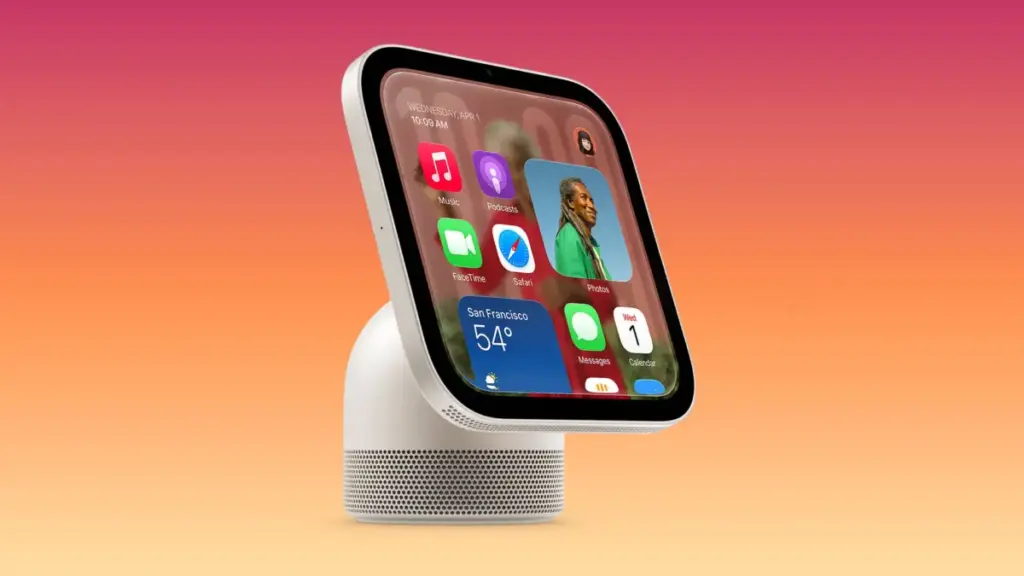
While the front-end user experience shares visual elements with iOS and iPadOS, the internal architecture of HomeView Software reveals that Apple built a new system framework specifically for this form factor.
In standard iOS and iPadOS environments, the system shell and home screen management process are handled by SpringBoard. However, technical analysis by Guilherme Rambo reveals that HomeView Software 27.2 does not utilize SpringBoard. Instead, Apple has engineered an entirely new launcher software named BreadBoard.
Complementing the BreadBoard launcher is a specialized system process called CupBoard, which explicitly handles the rendering and execution of the Control Center interface. This architectural shift indicates that Apple designed HomeView Software from the ground up to operate as a lean, low-latency display engine. By stripping away phone-centric processes and replacing SpringBoard with BreadBoard, the system is optimized to run continuously on low power, quickly process real-time sensor inputs, and launch home management overlays without the background overhead required by a smartphone operating system.
Evidence of Development Delays and Siri AI Integration
Perhaps the most notable revelation uncovered within HomeView Software 27.2 is evidence pointing to an extended internal delay in bringing the HomeView hardware to market.
Hidden within the system resources of the update, code researchers discovered a legacy graphic referencing "HomeView Software 26." The presence of version 26 assets within a version 27 build strongly suggests that Apple originally planned to release the HomeView during the previous software cycle, aligning with the release timeframe of iOS 26 in late 2025.
Industry context and software references indicate that the delay was largely tied to the development of Apple’s next-generation Siri AI capabilities. Because the HomeView relies heavily on voice interactions, context-aware artificial intelligence, and proactive home automation suggestions, Apple chose to hold back the hardware launch until its underlying AI infrastructure reached full operational stability.
Additionally, code paths inside the firmware reveal that during early development and software validation, Apple engineers prototyped and tested the HomeView user interface using modified sixth-generation iPad mini hardware. The 8.3-inch display profile of the iPad mini 6 served as a practical testbed for refining touch targets, widget densities, and facial recognition responses before final hardware production began for the dedicated 7-inch HomeView display.
Pricing, Hardware Specifications, and Launch Timeline
With the early release of HomeView Software 27.2 providing a comprehensive look at the software foundation, attention now shifts toward the physical release of the device.
The HomeView is priced at $299 and is currently available for pre-order through Apple’s online store and retail channels. Featuring a 7-inch Liquid Retina touchscreen, front-facing sensors for facial recognition and user identification, and high-fidelity micro-speakers for voice response and room audio, the device is positioned to serve as the centerpiece of Apple’s updated smart home ecosystem.
Apple has confirmed that the HomeView will officially launch on Friday, November 13, 2026. The smart home display will arrive alongside the fourth-generation Apple TV 4K, signaling a coordinated expansion of Apple’s connected home lineup as the holiday shopping season begins.
 macOS & Apple IT Support
Apple Blocks Compromised eMudhra Cryptographic Certificates Across Platforms to Safeguard Web Traffic
Apple has implemented automated security controls across its operating systems to block...
 macOS & Apple IT Support
Apple Confirms iPhone 18 Pro Max Cellular Outage on AT&T Network, Recommends Full Device Replacement for Affected Hardware
Apple has officially acknowledged a persistent technical issue impacting its latest flagship...
 macOS & Apple IT Support
Apple Retail Outlets to Offer Custom Boot-Screen Personalization for iPhone Duo Launch in the United States
Apple is preparing a unique, tailored experience for customers purchasing the new...







