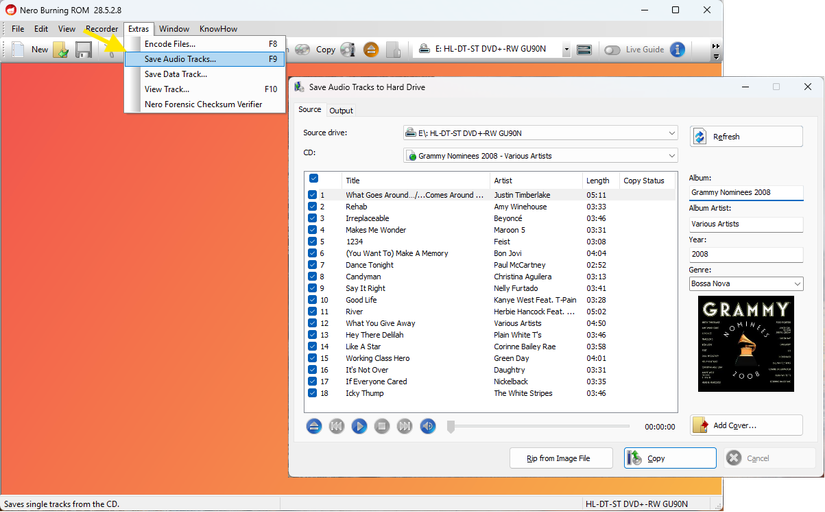
The name itself was a clever historical pun (referencing Emperor Nero and the Great Fire of Rome), but the software was all business. It provided a reliable, comprehensive interface for creating data discs, audio CDs, and bootable recovery media.
Before USBs and Cloud Storage, We Had This
In the early 2000s, Nero was often the most important piece of software on a new PC. It was frequently bundled with hardware, as every new CD-RW or DVD-RW drive required a robust software suite to function. For music lovers, Nero was the tool used to create the "mixtape" of the digital age—carefully curated CDs for car stereos that didn’t yet have auxiliary inputs or Bluetooth.
As the cost-per-gigabyte of flash memory plummeted and streaming services eliminated the need for physical music collections, the optical drive itself began to disappear from laptops and desktop towers. Today, many modern PCs don’t even include a disc drive, rendering Nero Burning ROM a niche tool for physical media enthusiasts and archivists rather than a household name.
RealPlayer: Streaming Video Before the Giants
Before Netflix, before YouTube, and before high-speed broadband was a standard utility, there was RealPlayer. Developed by RealNetworks and released in 1995, it was one of the first applications to bring the concept of "streaming" to the masses.
At a time when a single three-minute video could take an hour to download over a dial-up connection, RealPlayer’s ability to play content while it was still buffering was nothing short of a miracle. It utilized proprietary formats (.ra for audio and .rm for video) that were highly compressed, allowing them to squeeze through the narrow bandwidth of the late 90s.
Always Buffering
Despite its innovation, RealPlayer is often remembered with a mix of affection and frustration. The "buffering" wheel became a symbol of the patience required to be an early internet user. As the software evolved, it also became increasingly bloated, frequently prompting users to upgrade to "Pro" versions or installing unwanted browser toolbars—a trend that eventually soured its reputation.
The decline of RealPlayer was accelerated by the rise of Adobe Flash and the eventual dominance of HTML5, which allowed video to be played natively in web browsers without the need for a dedicated external player. While the application technically still exists today, its role as a pioneer of the streaming age has been overshadowed by the giants that followed in its footsteps.
A Legacy of Innovation
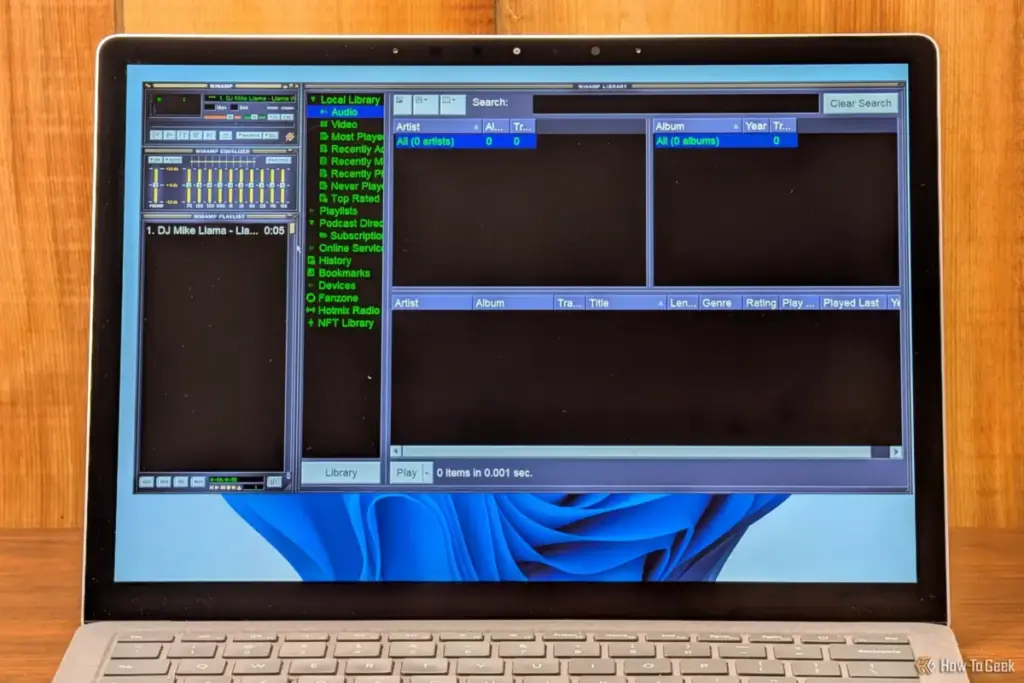
While many of these applications have faded into obscurity, their influence is still felt in the software we use today. The skinning of Winamp paved the way for modern UI customization; the social features of MSN Messenger laid the groundwork for today’s massive communication platforms; and the simplicity of Movie Maker democratized video production for the masses.
These digital ghosts serve as a reminder of a transitional period in human history—a time when we were first learning how to live, work, and play in a digital world. They were the tools that helped us navigate the early frontier of the internet, and though they may be gone, the memories of the spinning green icons and the "clack" of a burning CD remain an integral part of the Windows legacy.
 Tech Tutorials & How-To Guides
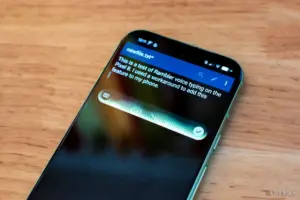
Pixel 11’s Rambler AI Voice Typing Proven to Run Seamlessly on Older Hardware
The launch of a new flagship smartphone is almost always accompanied by...
 Tech Tutorials & How-To Guides
The DIY Smart Home Revolution: How Enthusiasts Are Building Premium Hardware for a Fraction of the Retail Cost
The promise of the modern smart home has always been one of...
 Tech Tutorials & How-To Guides
Amazon Launches Major Discounts on CMF by Nothing Audio Lineup Ahead of Black Friday
As the holiday shopping season approaches, the competition in the consumer electronics...