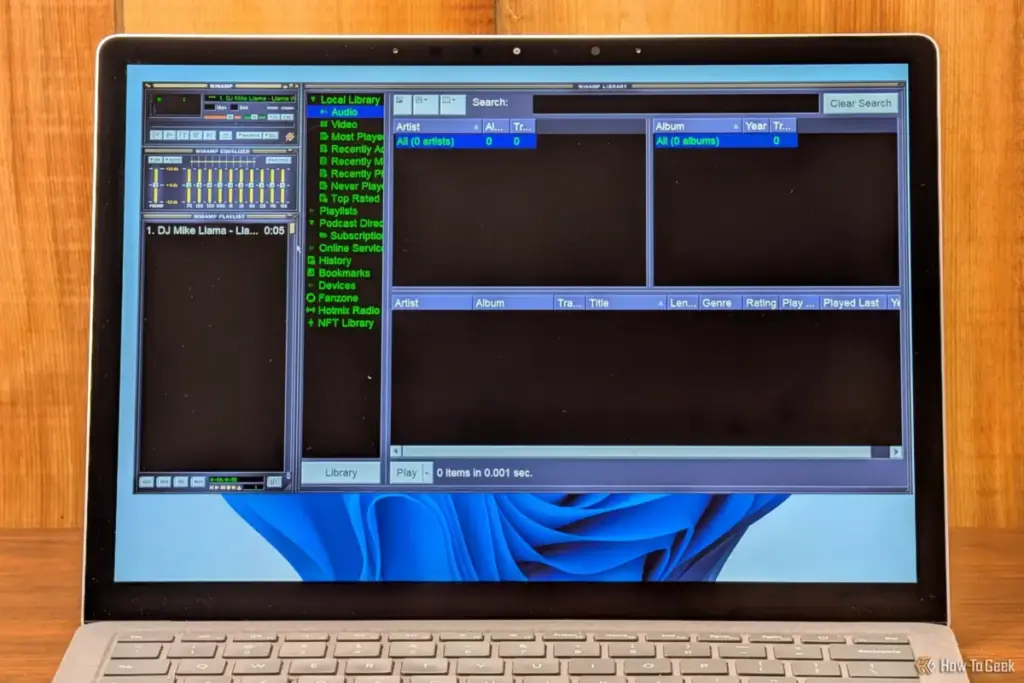
Launched in 1999 as a competitor to AOL Instant Messenger (AIM) and ICQ, MSN Messenger (later rebranded as Windows Live Messenger) quickly became the dominant communication tool for a global audience. It was the platform where a generation learned the nuances of digital etiquette, the shorthand of "LOL" and "BRB," and the art of the passive-aggressive "custom status."
Back When "Logging On" Was Still a Thing
MSN Messenger was surprisingly feature-rich for its time. It moved beyond simple text-based chat to include "Nudges"—a feature that would shake the recipient’s chat window to grab their attention—and "Winks," which were full-screen animations that often felt like a precursor to modern stickers and emojis. It also integrated with Windows Media Player to show your contacts exactly what song you were listening to, providing a constant stream of social signaling.

The app represented a specific moment in time when the internet was a destination rather than a constant presence. You "went" to the computer to talk to your friends. However, the rise of the smartphone changed the fundamental nature of communication. When Facebook Chat and later WhatsApp made messaging instantaneous and mobile, the desktop-bound nature of MSN Messenger began to feel like a relic.
Microsoft’s acquisition of Skype in 2011 signaled the end of the road. In 2013, the company began migrating its messenger user base to Skype, eventually retiring the MSN brand entirely. While we are more connected now than ever, the specific, concentrated social energy of the MSN Messenger era remains a unique chapter in digital history.
Windows Movie Maker: A First Taste of Video Editing
Today, high-quality video editing software is more accessible than ever. Tools like DaVinci Resolve offer professional-grade features for free, and mobile apps allow users to cut together complex videos in the palm of their hand. But in the early 2000s, video editing was a daunting, resource-intensive task reserved for professionals with expensive hardware.
Windows Movie Maker changed that. First introduced with Windows Me in 2000 and significantly improved in Windows XP, it brought the "drag-and-drop" philosophy to filmmaking. For many, it was their first introduction to the concept of a timeline, transitions, and title cards.
Everyone’s an Editor
The impact of Windows Movie Maker on early internet culture cannot be overstated. It was the primary tool for the first wave of YouTube creators. The "blue background with white text" intro and the "Star Wipe" transition became the aesthetic hallmarks of a thousand amateur tutorials and fan tributes. It was simple enough for a middle-school student to use for a class project but robust enough to help people tell stories using the footage from their early digital cameras.
Microsoft eventually bundled Movie Maker into the "Windows Essentials" suite, but as the 2010s progressed, the company’s focus shifted. The software began to feel dated as high-definition video became the standard. Support for the suite officially ended in 2017, and while Microsoft eventually introduced Clipchamp as a spiritual successor, the original Movie Maker remains the nostalgic starting point for an entire generation of digital creators.

Nero Burning ROM: Defining the Era of Optical Media
There was a time when the most common way to move a large file from one computer to another was to "burn" it onto a disc. Before high-speed cloud uploads and cheap, high-capacity USB flash drives, the CD-R and DVD-R were the kings of data storage. To manage this process, Windows users turned to Nero Burning ROM.
 Tech Tutorials & How-To Guides
From Pixels to Plastic: How Major Game Studios are Embracing the Official 3D Printing Movement
The relationship between video games and 3D printing has long been defined...
 Tech Tutorials & How-To Guides
Beyond the Cloud: Why a Shift to Offline Password Management Is Becoming a Necessity for the Security-Conscious
In the modern digital landscape, the password manager has transitioned from a...
 Tech Tutorials & How-To Guides
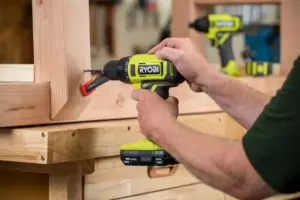
Battle of the Store Brands: How Ryobi, Craftsman, and Hyper Tough Reshape the DIY Power Tool Market
In the modern landscape of home improvement, the barrier to entry for...