The landscape of personal computing is one of constant, ruthless evolution. Over the past three decades, the Windows operating system has served as the primary stage for this transformation, acting as the foundation upon which thousands of software applications have risen to dominance, only to eventually fade into the background of digital history. As hardware capabilities expanded and high-speed internet transitioned from a luxury to a utility, the tools we once considered indispensable have been quietly replaced by cloud-based services, integrated system features, and mobile-first platforms.
For many who came of age during the late 1990s and early 2000s, the experience of using a PC was defined not just by the operating system itself, but by a specific suite of third-party applications. These programs were more than just utilities; they were the gateways to digital culture, social interaction, and creative expression. From the rhythmic clicking of an instant messenger to the ritual of burning a custom music mix onto a physical disc, these applications shaped the daily habits of a generation.
Today, while the remnants of these programs may still exist in some forgotten corner of a hard drive or as legacy downloads, their cultural ubiquity has vanished. Examining these iconic Windows apps offers more than just a nostalgic trip down memory lane; it provides a window into how far computing has come and how our relationship with technology has fundamentally shifted.
Winamp: The Ultra-Customizable Music Player That Defined the MP3 Era
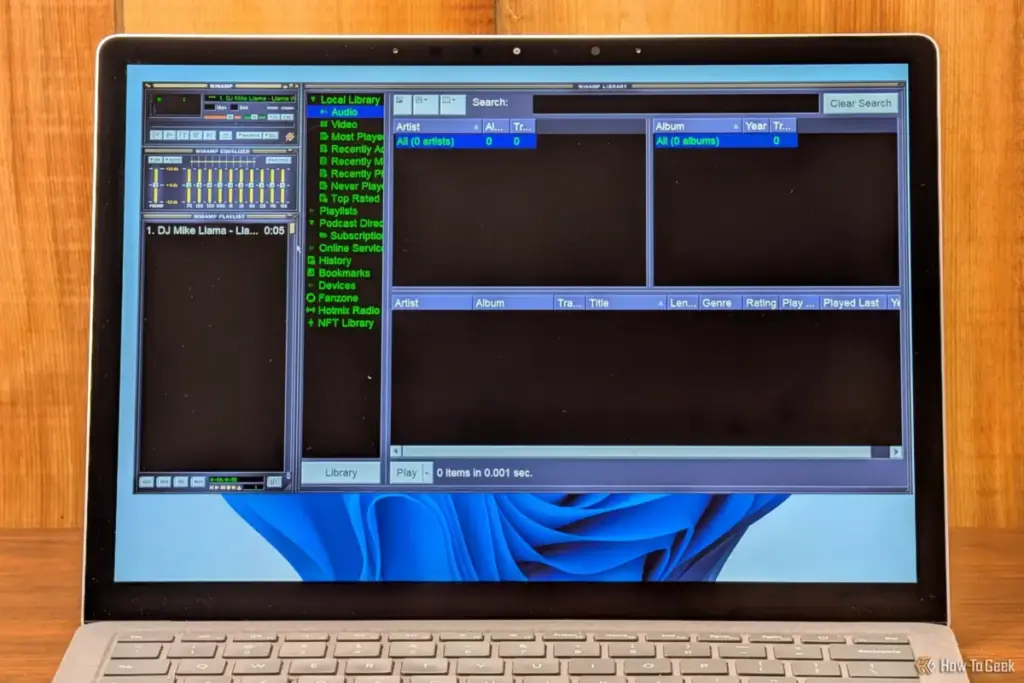
In the late 1990s, the digital music revolution was in its infancy. The MP3 format had begun to circulate, but the software provided by Microsoft to handle these files—Windows Media Player—was often viewed with frustration. It was notorious for being a resource-heavy application that struggled on the modest hardware of the time. Opening the default media player often meant a significant delay, and running it alongside other programs frequently led to system instability or stuttering audio.
Into this vacuum stepped Winamp, released in 1997 by Nullsoft. It was a revelation for PC enthusiasts. Winamp was remarkably lightweight, designed to deliver high-quality audio playback without taxing the CPU. This efficiency allowed users to listen to their music collections while simultaneously browsing the early web or working on documents—a feat that was not always guaranteed with its competitors.
A Little Player With a Lot of Personality
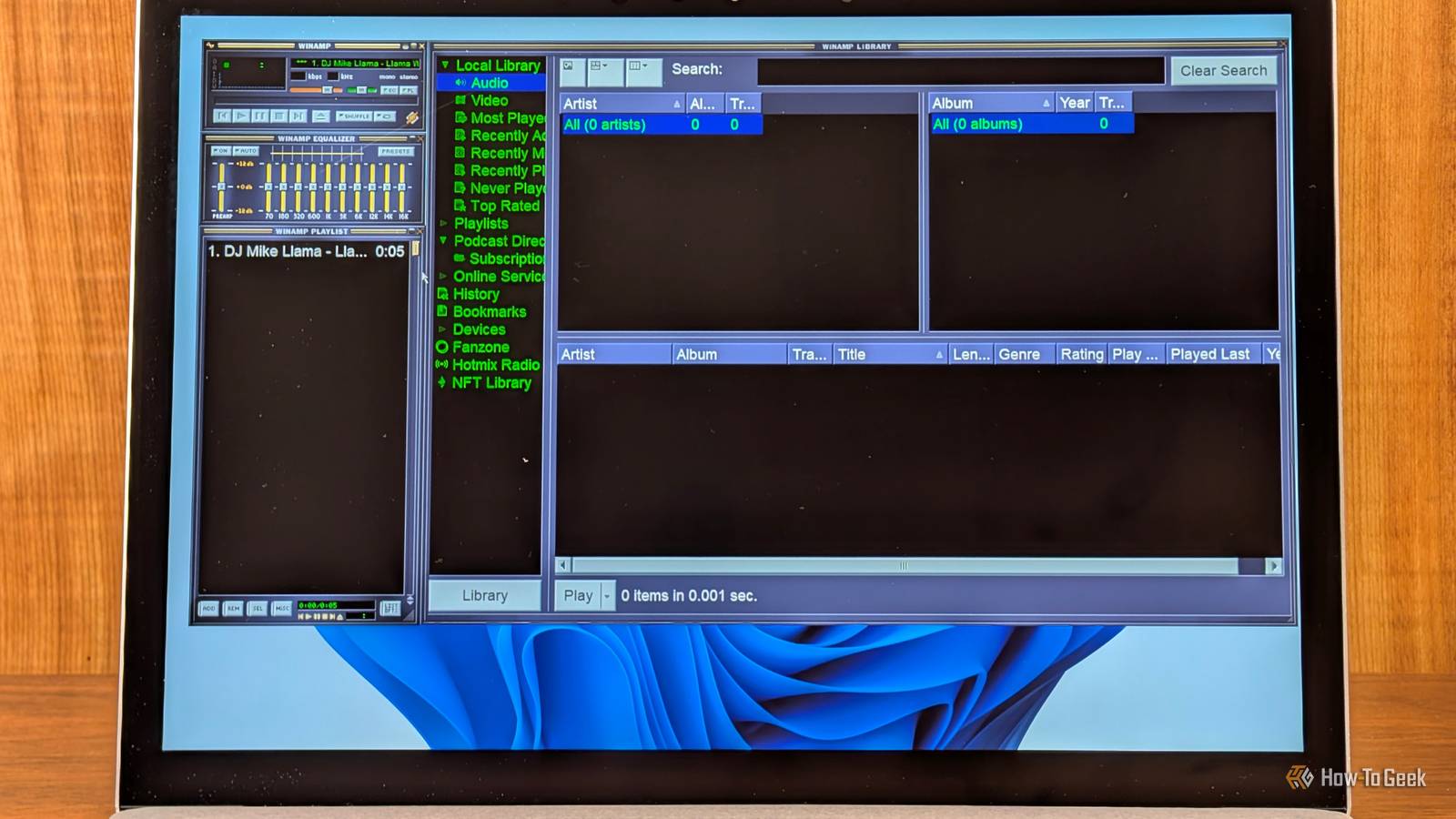
What truly set Winamp apart, however, was its personality. It was famous for its "it really whips the llama’s ass" startup slogan and its incredibly deep level of customization. The 10-band equalizer allowed users to fine-tune their audio experience with a precision that felt professional, and the "MilkDrop" visualizers turned music into a psychedelic light show that became a staple of college dorm rooms.
Perhaps its most enduring legacy was the "skinning" community. Winamp was one of the first major applications to encourage users to completely overhaul its visual interface. Thousands of custom skins were created, ranging from sleek, futuristic metallic designs to interfaces that mimicked car stereos or sci-fi control panels. It turned the music player into a piece of digital art, reflecting the user’s personal style.
As the industry shifted toward streaming services like Spotify and hardware became powerful enough to handle any media task with ease, the need for a dedicated, lightweight MP3 player diminished. While Winamp has seen various revival attempts and still maintains a loyal following, its era as the king of the Windows desktop has long since passed, superseded by the convenience of the cloud.
MSN Messenger: Where a Generation Learned to Chat Online
Before the era of the "always-on" social media feed, there was the ritual of "logging on." For millions of teenagers and young adults in the early 2000s, the school day didn’t truly end until they sat down at the family PC and waited for the two little green figures of MSN Messenger to spin and sign them in.
 Tech Tutorials & How-To Guides
The Evolution of the Pocket: How 3D Printing Refined the Search for the Perfect Everyday Carry
For many, the morning ritual is a simple, three-point checklist: phone, wallet,...
 Tech Tutorials & How-To Guides
High-Octane Streaming: Four Netflix Miniseries to Transform Your Cardio Routine
The psychological challenge of the treadmill is a familiar hurdle for fitness...
 Tech Tutorials & How-To Guides
Optimizing the Modern Workspace: Quntis Monitor Light Bar Sees Significant Price Drop on Amazon
In an era where the boundary between professional obligations and personal time...