The promise of the modern smart home has always been one of seamless convenience, where lights adjust to our moods, climate control anticipates our arrival, and security systems guard our property with vigilant precision. However, as the ecosystem has matured, many homeowners have encountered a significant barrier to entry: the escalating cost of hardware. While a single smart bulb or a basic door sensor might only cost a few dollars, the infrastructure required to run a truly sophisticated, integrated home can quickly run into the thousands.
From high-end hubs and border routers to specialized environmental sensors and automated plumbing safeguards, the price of "plug-and-play" retail solutions has left many consumers looking for alternatives. This financial pressure, combined with a growing desire for local control and data privacy, has fueled a burgeoning movement of DIY smart home enthusiasts. By leveraging open-source software and inexpensive microcontrollers, these hobbyists are proving that it is possible to build professional-grade smart home devices for a fraction of the price of commercial equivalents.
Bridging the Connectivity Gap: The $5 Thread Border Router
One of the most significant recent developments in smart home technology is the emergence of Thread. As a low-power, self-healing mesh networking protocol, Thread is designed specifically to solve the connectivity issues that have long plagued the industry. Unlike Wi-Fi, which can be power-hungry and prone to congestion, or Bluetooth, which has limited range, Thread allows devices to communicate with each other directly, passing data through the network to ensure reliability.
However, Thread devices cannot communicate with a standard Wi-Fi network on their own. They require a Thread Border Router (TBR) to act as a bridge between the Thread mesh and the rest of the home network. For many users, this has traditionally meant purchasing expensive ecosystem anchors such as an Apple TV 4K, a HomePod mini, or a high-end Amazon Echo. For those who do not already own these devices or prefer not to be locked into a specific manufacturer’s ecosystem, the cost of adding Thread support can be a significant deterrent.
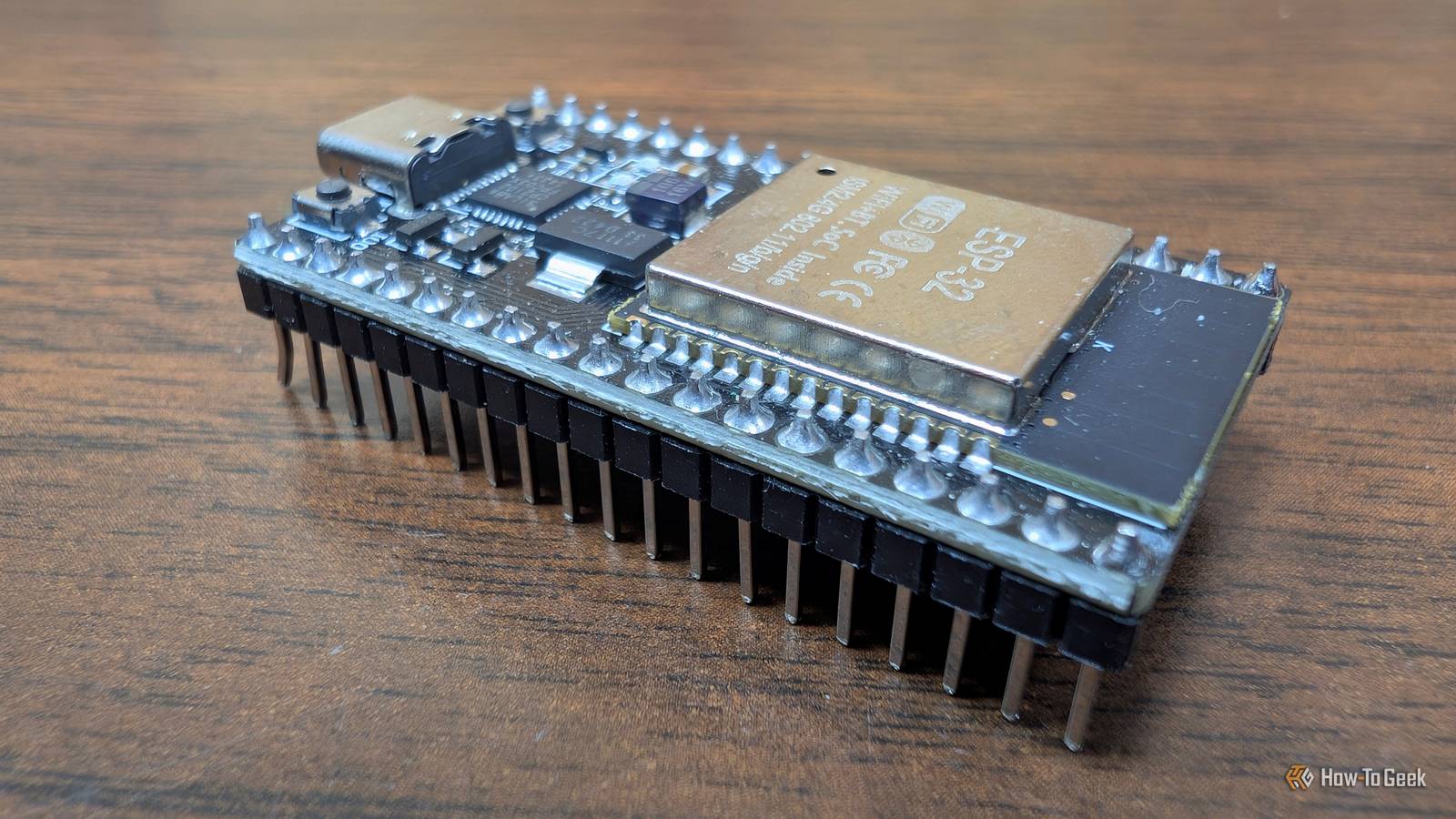
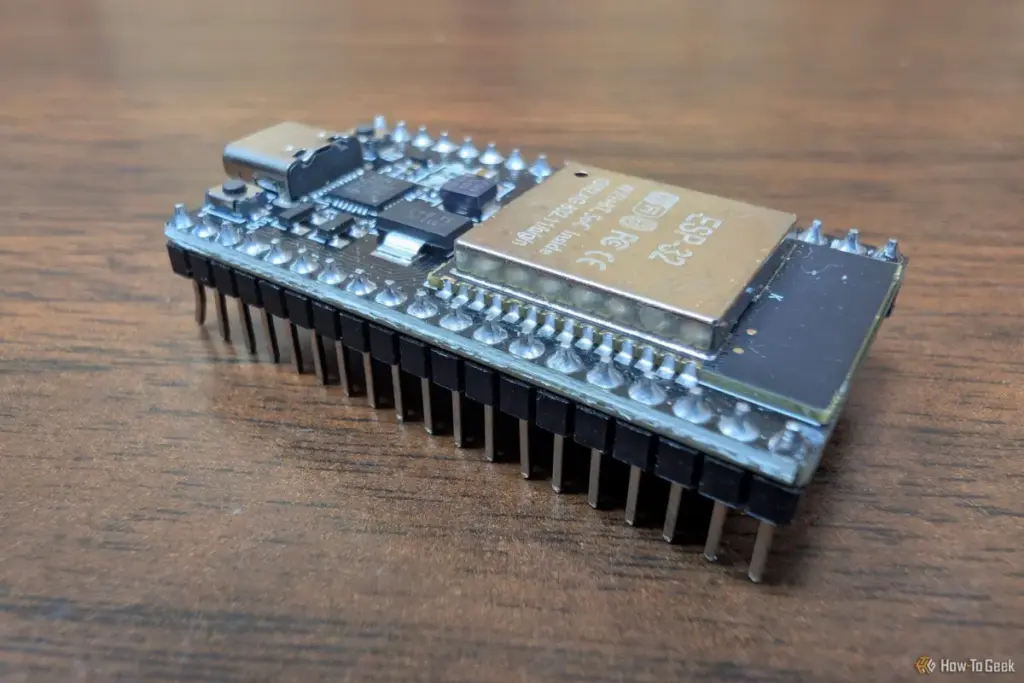
The DIY community has recently identified a remarkably cost-effective solution to this problem. By using an ESP32-C6 development board—a tiny, versatile microcontroller that includes the necessary IEEE 802.15.4 radio—users are now building their own Thread Border Routers for approximately $5.
The project, which gained traction within the Home Assistant community, demonstrates the power of modular hardware. In this setup, the ESP32-C6 handles the physical wireless communication, while the OpenThread Border Router software runs on a central home automation server. This hybrid approach not only slashes the cost of entry but also provides a level of transparency and local control that many commercial "black box" routers cannot match. Users have reported significant success in commissioning Matter-over-Thread devices using these homemade bridges, signaling a shift away from the necessity of expensive, brand-name hardware.
 Tech Tutorials & How-To Guides
The Evolution of the Pocket: How 3D Printing Refined the Search for the Perfect Everyday Carry
For many, the morning ritual is a simple, three-point checklist: phone, wallet,...
 Tech Tutorials & How-To Guides
The Unseen Ecosystem: Why Samsung’s Most Powerful One UI Features Remain Hidden to Most Users
In the hyper-competitive landscape of global smartphone manufacturing, Samsung Electronics has long...
 Tech Tutorials & How-To Guides
Netflix Expands November Roster with Subversive Animation, Gritty Thrillers, and Holiday Romance
As the global streaming landscape grows increasingly competitive, Netflix continues to refine...