
Breath of Fresh Air: High-End Monitoring Without the Premium Price
The focus of the smart home movement is also shifting inward, specifically toward the air we breathe. Indoor air quality has become a major concern for health-conscious homeowners, as modern construction techniques—while energy-efficient—often trap pollutants inside. Everyday activities like searing a steak, using cleaning sprays, or even the "off-gassing" of new furniture can lead to high levels of volatile organic compounds (VOCs), particulate matter (PM2.5), and carbon dioxide.
While basic smoke and carbon monoxide detectors are standard, comprehensive air quality monitors that track a wide array of pollutants are often prohibitively expensive. Premium commercial monitors capable of measuring CO2, VOCs, nitrogen oxides (NOx), and particulate matter frequently retail for $200 to $300.
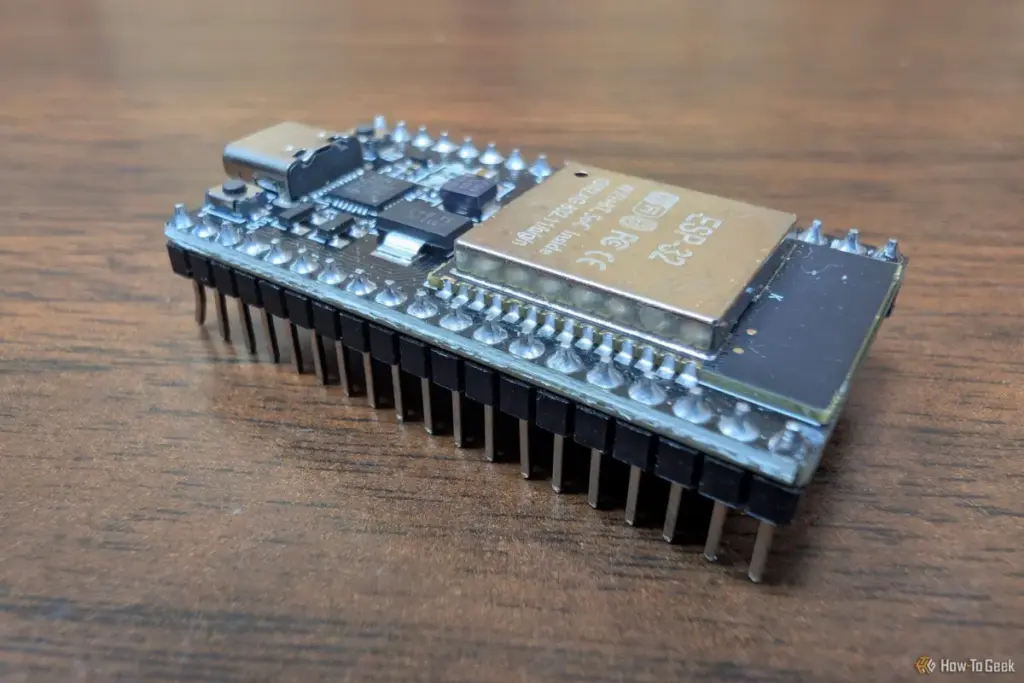
To combat these costs, enthusiasts are turning to custom-built solutions. One prominent project recently shared within the community utilizes an ESP32-C3 board paired with a high-precision Sensirion SEN66 sensor module. This DIY device, often housed in custom 3D-printed enclosures with integrated e-paper displays, provides real-time data on the home’s environment.

The creator of this specific project, known as the "Aether" monitor, estimated that the components and a custom-printed circuit board (PCB) cost roughly $100. While $100 is not "cheap" in an absolute sense, it represents a nearly 60% saving over commercial products with comparable sensor accuracy. Furthermore, by using open-source firmware like ESPHome, these DIY monitors can be integrated directly into a home automation system without relying on external cloud servers, ensuring that sensitive environmental data stays within the home.
Preventing Catastrophe: Advanced Water Monitoring and Mitigation
Perhaps the most practical application of DIY smart home technology is in the realm of damage prevention. Water damage from leaking pipes or failed appliances is one of the leading causes of home insurance claims, often resulting in tens of thousands of dollars in repairs. While simple, battery-operated leak sensors are relatively inexpensive and widely available, they are often reactive rather than proactive.
The limitation of a standard leak sensor is that it only alerts the homeowner after water has already reached the floor. If a leak occurs while the residents are at work or on vacation, an alert on a smartphone is of little use if there is no way to shut off the water supply remotely. Commercial smart water valves and flow monitors exist to solve this problem, but they are notorious for their high price tags and, in many cases, their reliance on proprietary cloud services that require monthly subscriptions.
 Tech Tutorials & How-To Guides
Fanttik B11 Pro Max Electric Air Duster Sees Significant Price Drop to $59.99 on Amazon
For tech enthusiasts, PC builders, and office workers alike, the battle against...
 Tech Tutorials & How-To Guides
Crafting Beyond the Screen: How Simple Woodworking Projects Bridge the Gap Between Tech and Tradition
For more than a decade, Joe Fedewa has been a prominent voice...
 Tech Tutorials & How-To Guides
From Pixels to Plastic: How Major Game Studios are Embracing the Official 3D Printing Movement
The relationship between video games and 3D printing has long been defined...







