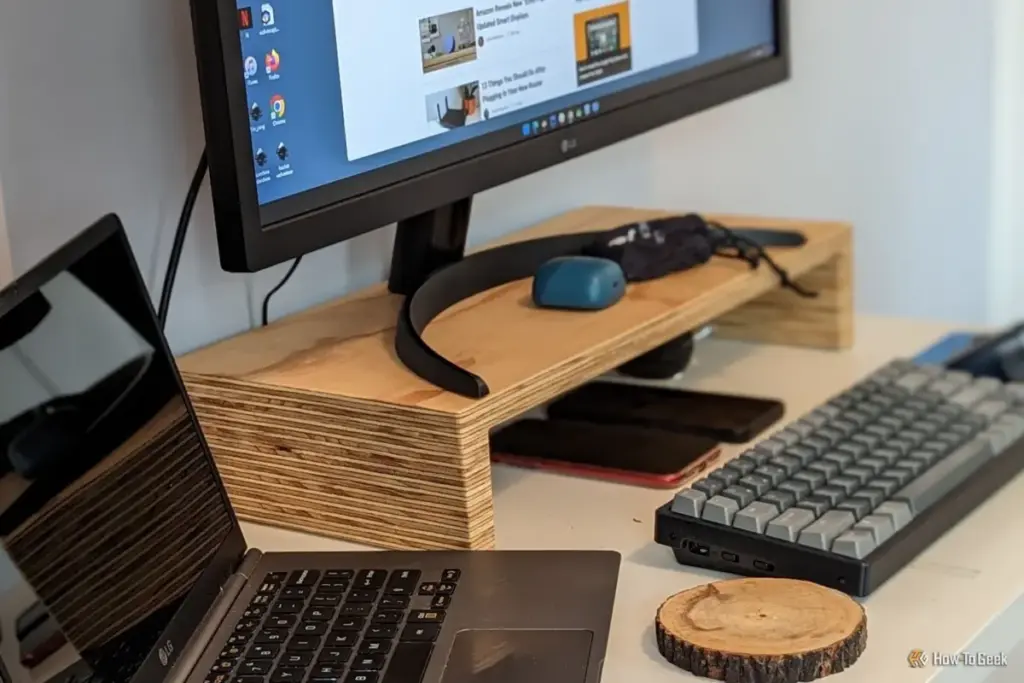
For more than a decade, Joe Fedewa has been a prominent voice in the technology sector, documenting the rapid evolution of the Google ecosystem, reviewing the latest mobile hardware, and navigating the intricacies of the Android platform. However, beneath the professional veneer of a man who spends his days analyzing silicon and software lies a deep-seated passion for a much older form of creation. Long before the advent of consumer-grade 3D printing and the use of rolls of filament to "grow" objects in a plastic chamber, Fedewa was honing his skills with a tactile, organic material: wood.
While his professional trajectory led him through the editorial ranks of XDA-Developers, Phandroid, and How-To Geek, his personal time has often been defined by the hum of a sander and the smell of fresh sawdust. Despite a self-admitted decline in recent output—attributed largely to the perennial struggle of maintaining an organized garage workshop—Fedewa remains a woodworker at heart. His journey offers a compelling look at how the "Maker" subculture has evolved, proving that the barrier to entry for fine craftsmanship is often lower than it appears.
The Democratization of Craftsmanship Through Digital Learning
The traditional path to woodworking once required a formal apprenticeship or years of high school shop classes. While Fedewa took a few years of shop class during his youth, he credits the vast majority of his technical proficiency to the modern era of digital education. The rise of "Maker YouTube" has transformed the hobby from a secretive trade into a shared, global classroom.
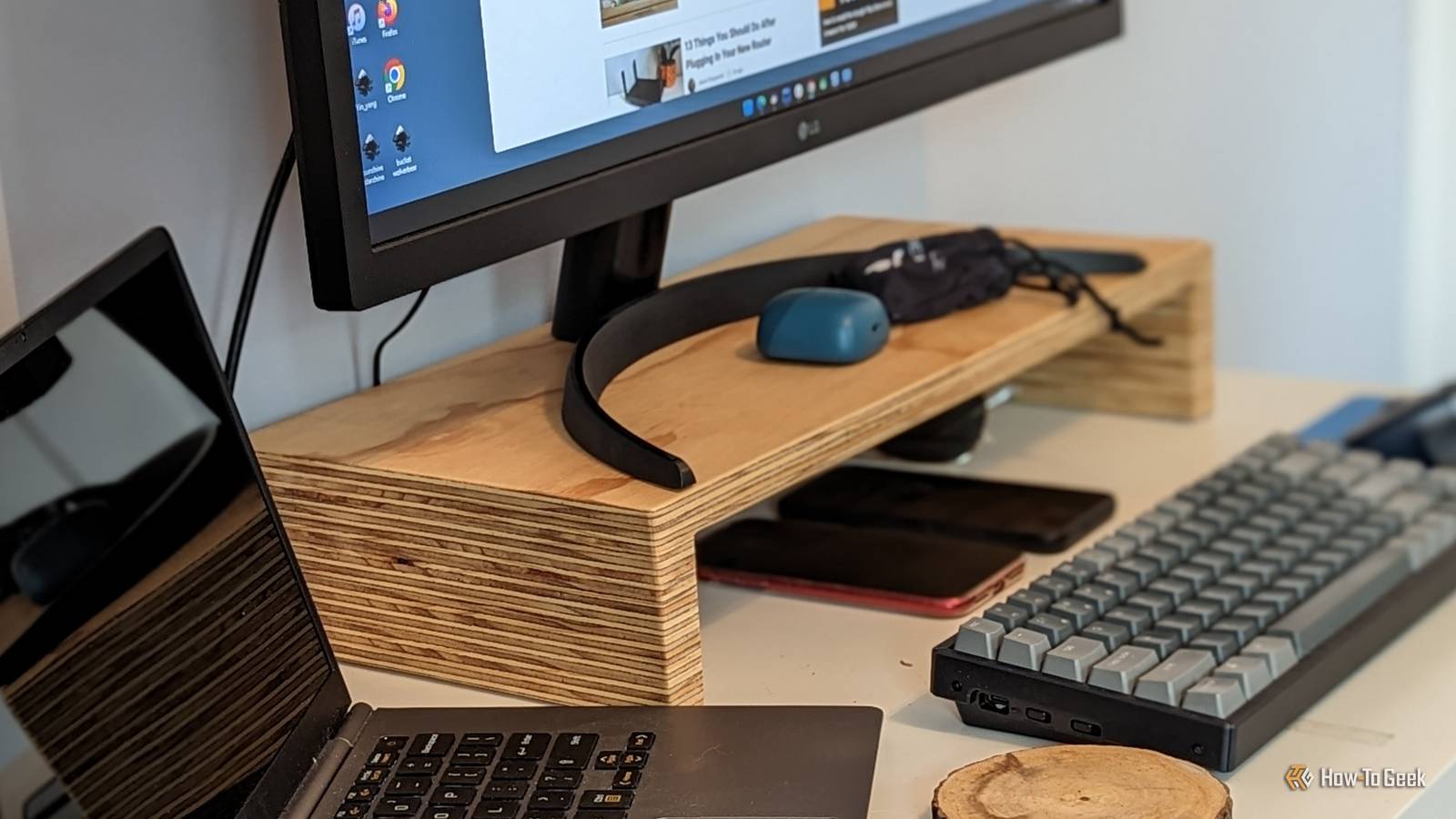
Fedewa highlights several key figures in this digital renaissance who have shaped his approach to the craft. Channels such as I Like to Make Stuff and Make Something emphasize the creative process and the accessibility of making, while creators like Laura Kampf and Michael Alm showcase the intersection of industrial design and traditional joinery. HomeMadeModern, another of his primary influences, focuses on high-end aesthetics achieved through surprisingly simple methods. These resources reinforce a central theme in Fedewa’s philosophy: formal training is no longer a prerequisite for building functional, beautiful objects.
Challenging the "Expensive Tool" Narrative
One of the most significant hurdles for aspiring woodworkers is the "tool trap"—the belief that professional-grade results require professional-grade investments. In a world of high-end CNC machines, Festool Domino joiners, and industrial table saws, it is easy for a beginner to feel outmatched before they even make their first cut.
Fedewa is a vocal advocate for working with the tools at one’s disposal. He points out that in woodworking, there is rarely only one way to achieve a specific result. The absence of a table saw does not preclude a long rip cut; a circular saw paired with a simple guide, or a more modern track saw, can achieve similar precision. Similarly, those lacking a CNC machine can utilize templates and routers to create identical parts, and a basic doweling jig can often serve the same purpose as much more expensive specialized joinery tools.
The focus, Fedewa argues, should be on the project rather than the equipment. By demystifying the process and looking for creative workarounds, hobbyists can build confidence and skill without a prohibitive financial commitment. This mindset of "making do" often leads to a deeper understanding of the material and the mechanics of construction.
 Tech Tutorials & How-To Guides
Ryobi Expands Winter Tool Lineup with Battery-Powered Heating and Emergency Solutions
As the autumn leaves begin to settle and the first frost takes...
 Tech Tutorials & How-To Guides
The Hidden Expiry Date: Why Your Smart Home Hardware May Fail Sooner Than You Think
In the early days of the smart home revolution, early adopters were...
 Tech Tutorials & How-To Guides
Essential Roadside Resilience: Why Modern Drivers are Turning to Portable Battery-Powered Solutions
The modern driving experience is often defined by a sense of seamless...