
For more than a decade, Joe Fedewa has been a prominent voice in the technology sector, documenting the rapid evolution of the Google ecosystem, reviewing the latest mobile hardware, and navigating the intricacies of the Android platform. However, beneath the professional veneer of a man who spends his days analyzing silicon and software lies a deep-seated passion for a much older form of creation. Long before the advent of consumer-grade 3D printing and the use of rolls of filament to "grow" objects in a plastic chamber, Fedewa was honing his skills with a tactile, organic material: wood.
While his professional trajectory led him through the editorial ranks of XDA-Developers, Phandroid, and How-To Geek, his personal time has often been defined by the hum of a sander and the smell of fresh sawdust. Despite a self-admitted decline in recent output—attributed largely to the perennial struggle of maintaining an organized garage workshop—Fedewa remains a woodworker at heart. His journey offers a compelling look at how the "Maker" subculture has evolved, proving that the barrier to entry for fine craftsmanship is often lower than it appears.
The Democratization of Craftsmanship Through Digital Learning
The traditional path to woodworking once required a formal apprenticeship or years of high school shop classes. While Fedewa took a few years of shop class during his youth, he credits the vast majority of his technical proficiency to the modern era of digital education. The rise of "Maker YouTube" has transformed the hobby from a secretive trade into a shared, global classroom.
Fedewa highlights several key figures in this digital renaissance who have shaped his approach to the craft. Channels such as I Like to Make Stuff and Make Something emphasize the creative process and the accessibility of making, while creators like Laura Kampf and Michael Alm showcase the intersection of industrial design and traditional joinery. HomeMadeModern, another of his primary influences, focuses on high-end aesthetics achieved through surprisingly simple methods. These resources reinforce a central theme in Fedewa’s philosophy: formal training is no longer a prerequisite for building functional, beautiful objects.
Challenging the "Expensive Tool" Narrative
One of the most significant hurdles for aspiring woodworkers is the "tool trap"—the belief that professional-grade results require professional-grade investments. In a world of high-end CNC machines, Festool Domino joiners, and industrial table saws, it is easy for a beginner to feel outmatched before they even make their first cut.
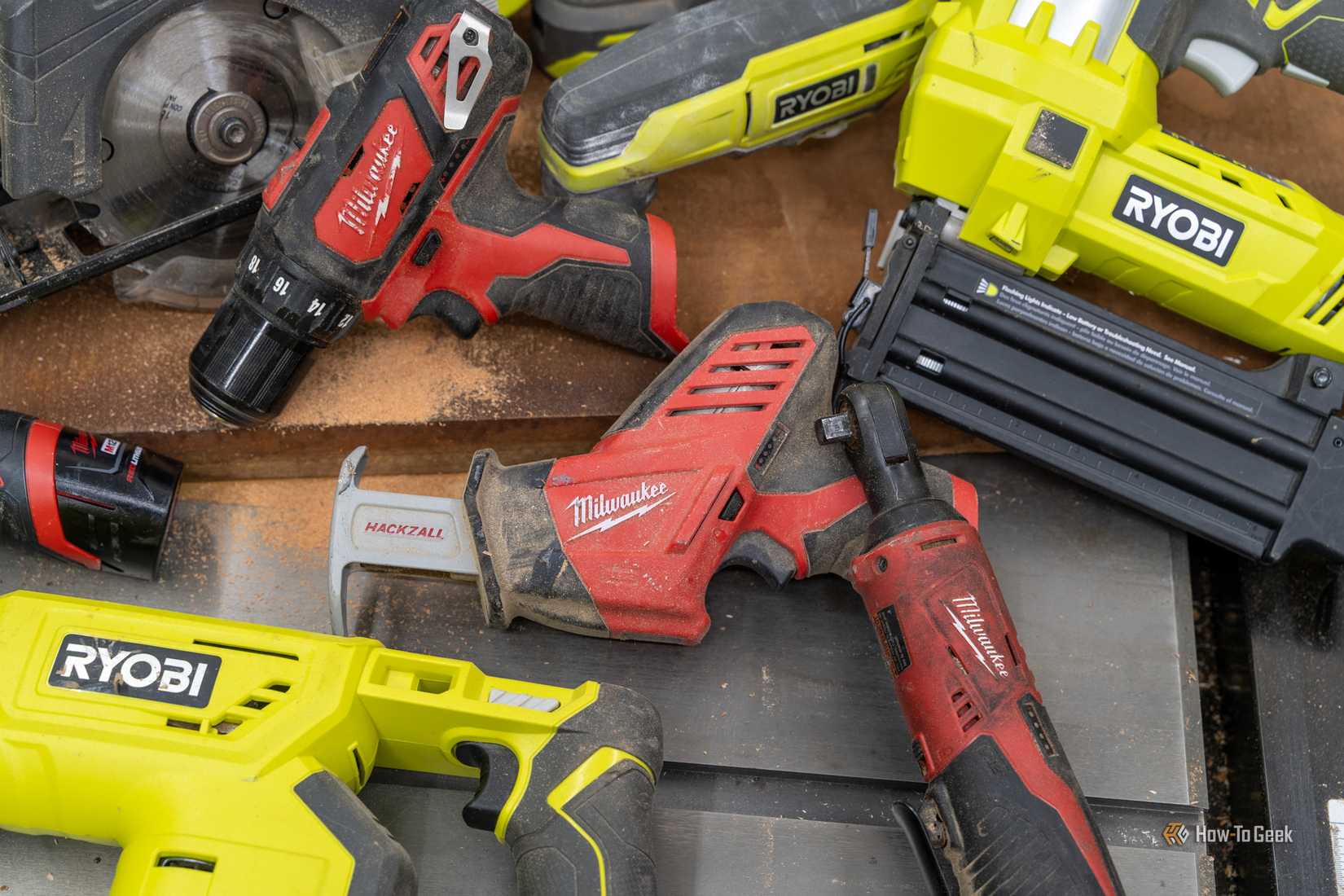
Fedewa is a vocal advocate for working with the tools at one’s disposal. He points out that in woodworking, there is rarely only one way to achieve a specific result. The absence of a table saw does not preclude a long rip cut; a circular saw paired with a simple guide, or a more modern track saw, can achieve similar precision. Similarly, those lacking a CNC machine can utilize templates and routers to create identical parts, and a basic doweling jig can often serve the same purpose as much more expensive specialized joinery tools.
The focus, Fedewa argues, should be on the project rather than the equipment. By demystifying the process and looking for creative workarounds, hobbyists can build confidence and skill without a prohibitive financial commitment. This mindset of "making do" often leads to a deeper understanding of the material and the mechanics of construction.

The Practicality of Small-Scale Projects
To illustrate the accessibility of the craft, Fedewa points to several projects he completed that required minimal investment and modest toolsets. These projects serve as a roadmap for beginners looking to transition from spectators to makers.
The Minimalist Monitor Stand
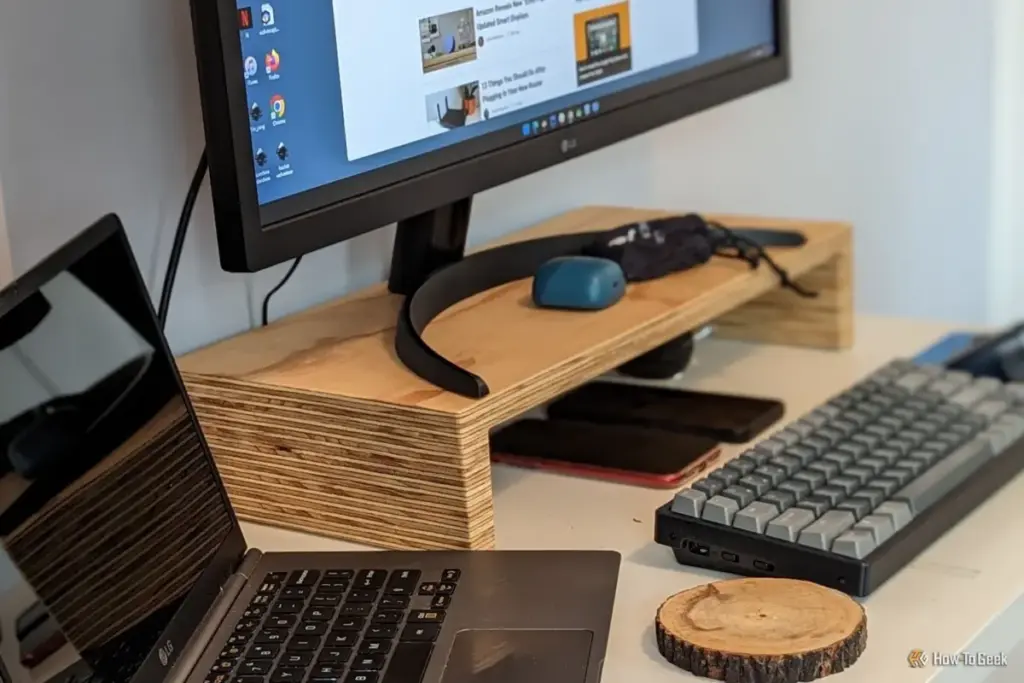
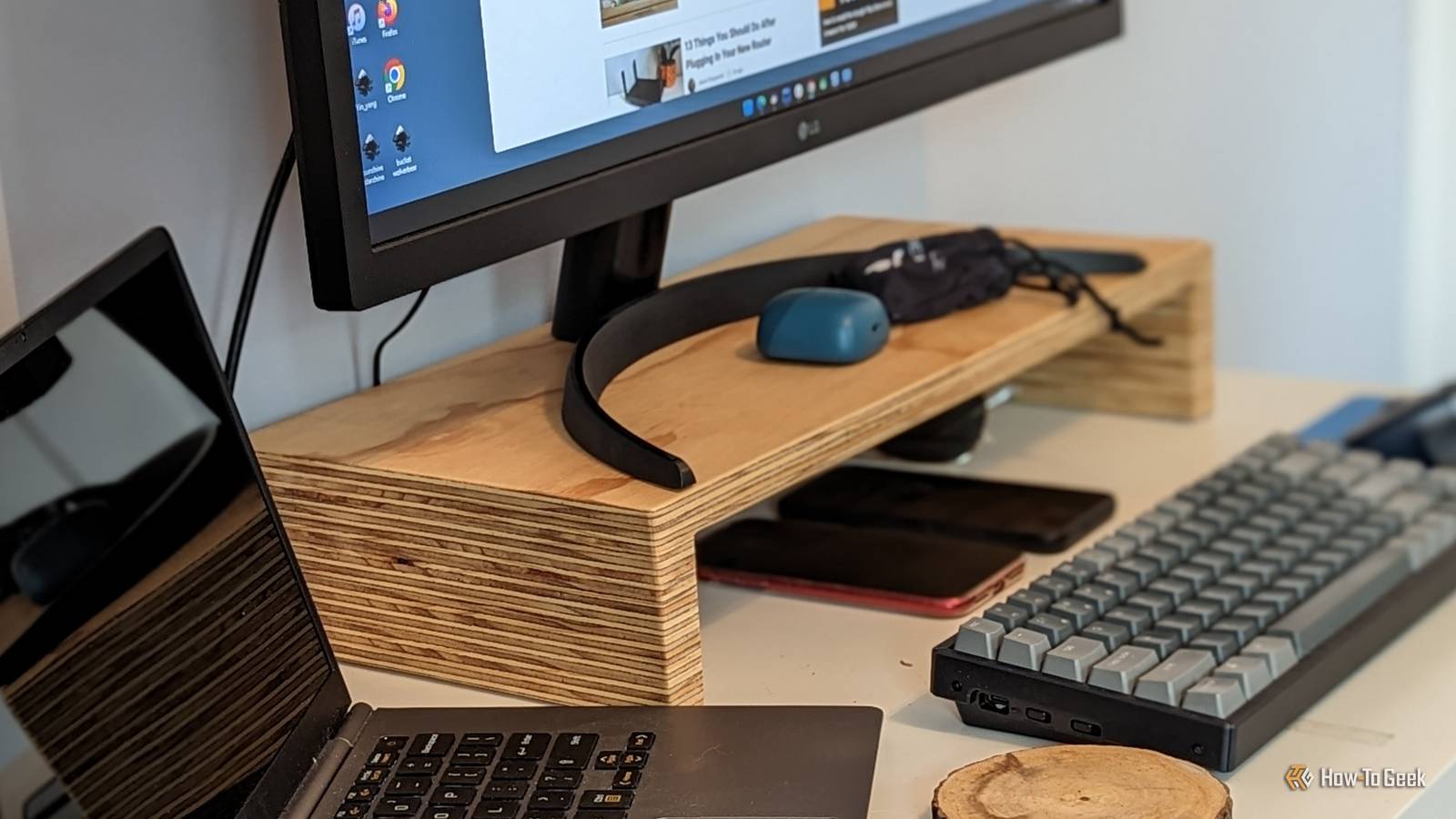
One of the most straightforward yet rewarding projects in Fedewa’s portfolio is a custom monitor stand. Born from the need for better desk ergonomics, the project utilized scrap plywood—what Fedewa jokingly refers to as "woodworker math," where existing materials render the project essentially free.
Rather than attempting to hide the edges of the plywood, which is a common practice in traditional furniture making, Fedewa opted for a modern, industrial aesthetic by showcasing the distinct layers of the material. By stacking narrow strips for the sides and securing them with glue and brad nails, he created a sturdy, functional piece. The final steps—sanding and a coat of polycrylic—transformed raw construction material into a polished piece of office furniture. This project highlights a key lesson for beginners: simplicity in design often leads to the most professional-looking results.
The Sofa Arm Table: A Solution for Small Spaces
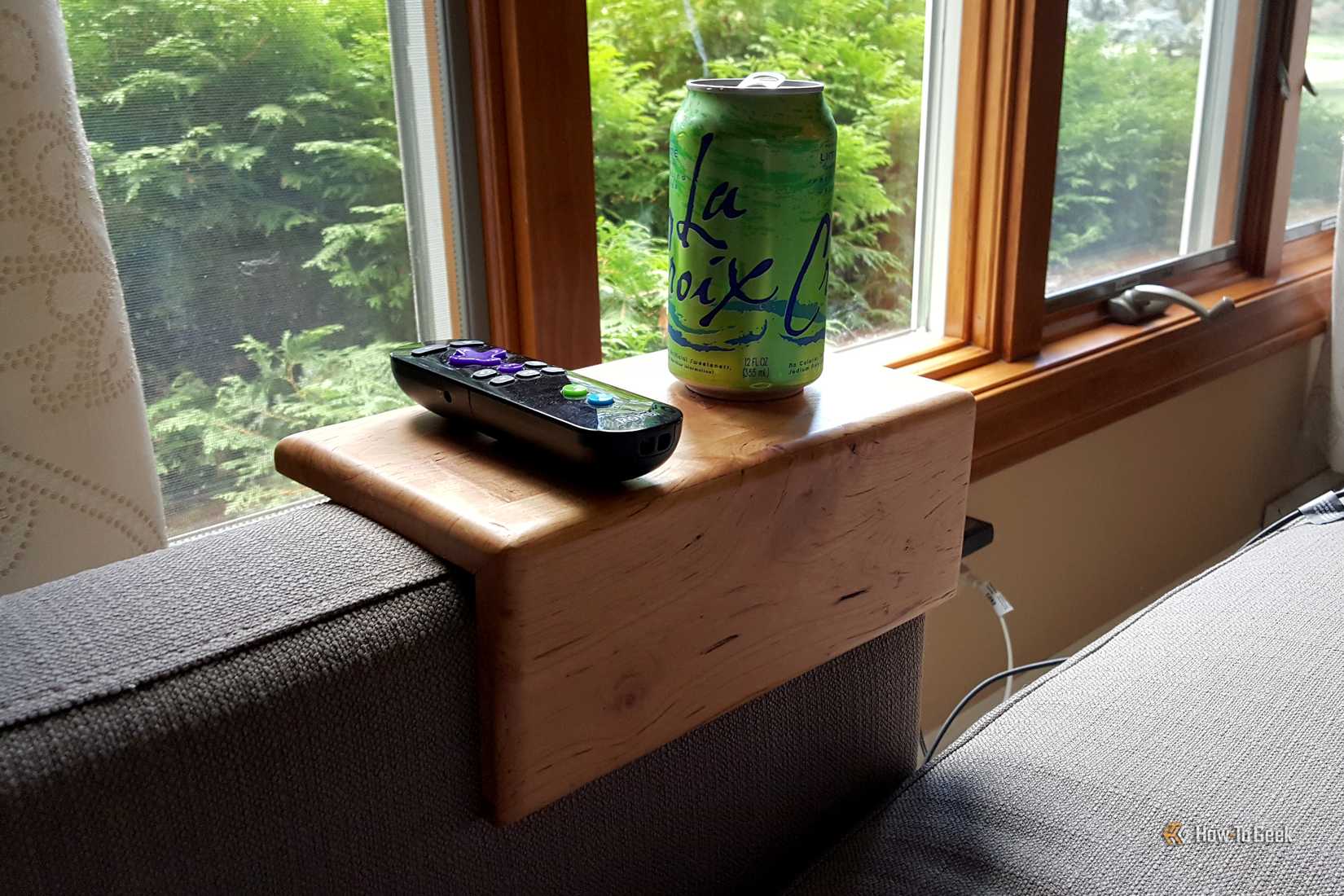
Innovation in woodworking often comes from a desire to solve a specific household problem. For those with living room layouts that cannot accommodate a traditional side table, the "where do I put my drink?" dilemma is a constant frustration. Fedewa’s solution was a sleek, three-piece sofa arm table.
The design is deceptively simple: two boards glued in an L-shape to hug the arm of the couch, with a third vertical board providing stability against the side of the furniture. To ensure a strong bond, Fedewa utilized a pocket hole jig—a tool he highly recommends for beginners. Pocket holes allow for strong, hidden joinery with minimal technical skill, making them a staple for those just starting their woodworking journey.
The Banana Tree: Practicing Curves
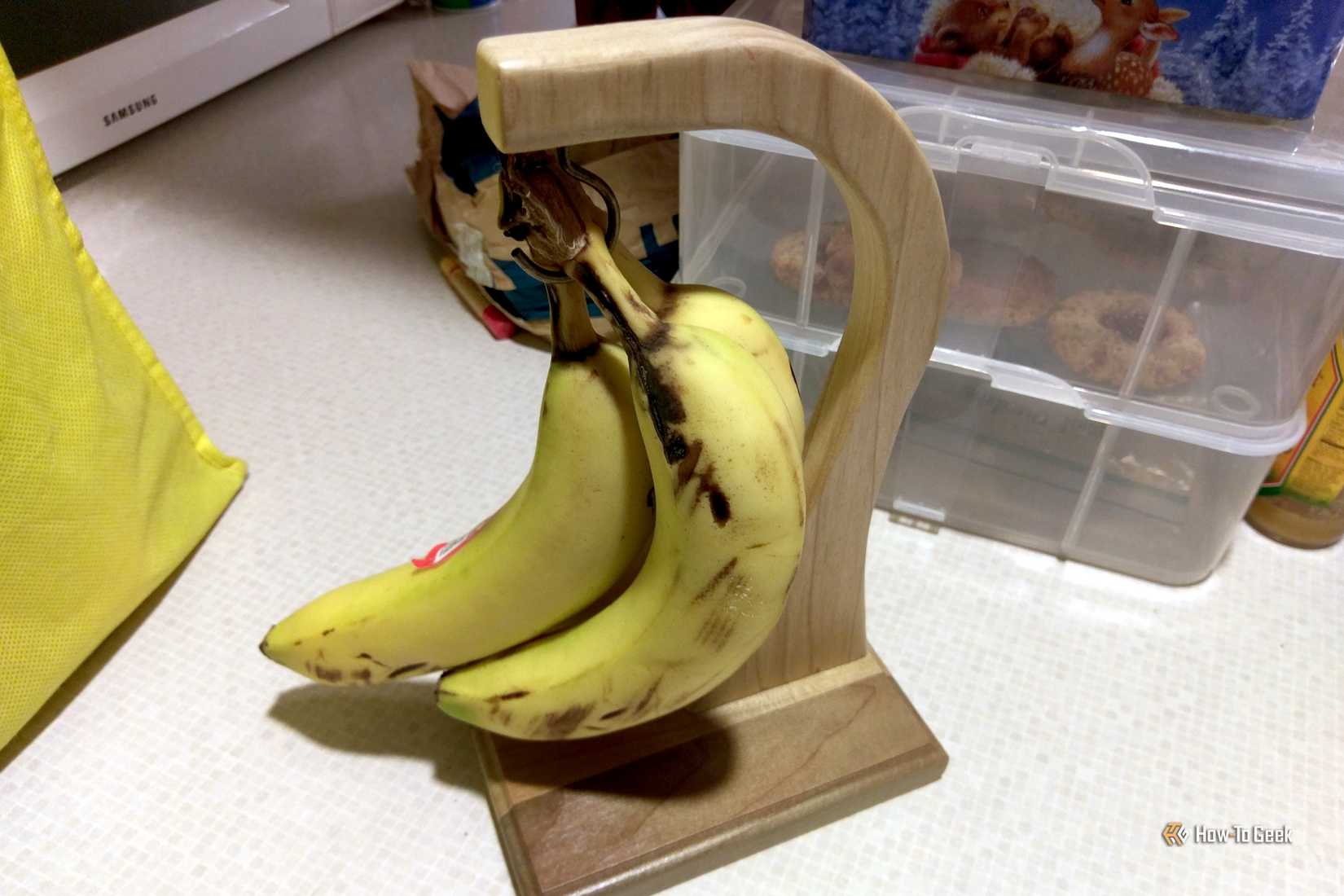
While many early woodworking projects focus on straight lines and 90-degree angles, the introduction of curves represents a significant step in a maker’s development. Fedewa’s "banana tree" project provided an opportunity to practice with a jigsaw, a tool often maligned for its lack of precision but invaluable for small-scale shops where a large band saw is impractical.
By drawing a custom shape directly onto a piece of poplar and using a router to add a decorative edge to the base, Fedewa created a kitchen accessory that is both functional and more aesthetically pleasing than mass-produced plastic alternatives found online. The project serves as a reminder that even the most mundane household items can be improved through custom craftsmanship.
Organizational Joinery: The Pet Station
For pet owners, organization is often a secondary thought to the daily routine of care. Fedewa designed a specialized holder for dog treats and leashes to streamline his own backyard routine. The project required a backplate, a C-shaped bracket to secure a mason jar, a small shelf, and a custom-shaped hanger.
This project demonstrates the power of "bespoke" making—the ability to measure a specific object (in this case, a glass jar) and build a dedicated home for it. By screwing the components through the backplate, Fedewa created a durable, wall-mounted station that solved a daily organizational headache.
The Serving Tray: Perceived Complexity vs. Technical Reality
Perhaps the most impressive-looking project in Fedewa’s collection is the wooden serving tray. While it appears sophisticated to the uninitiated, the construction process is remarkably approachable.
The tray consists of a bottom board—formed by gluing two pieces together—and four side rails. The "wow factor" comes from the treatment of the short sides, where Fedewa used rounded corners and integrated handle cutouts. The project emphasizes the importance of the finishing stage; careful sanding and the management of "glue squeeze-out" are what elevate a simple box into a high-quality serving piece. It is a prime example of a project that builds a maker’s reputation without requiring master-level joinery skills.
The Psychological Impact of Making
Beyond the physical items produced, Fedewa emphasizes the psychological benefits of the craft. Woodworking provides a tangible sense of accomplishment that is often missing from digital work. In an industry like tech journalism, where "products" are often ethereal lines of code or digital articles, the ability to hold a physical object that you created from a raw board is immensely satisfying.
As makers progress, the "demystification" of the hobby becomes its own reward. Each project completed builds the confidence necessary to tackle more complex designs. The realization that most furniture is simply a collection of boards joined in specific ways empowers the hobbyist to look at the world differently, seeing possibilities for repair and creation where they once saw only consumer products.
Fedewa’s experience suggests that the heart of woodworking isn’t found in the latest high-tech shop gadgets, but in the willingness to start small, use what you have, and learn through the process of doing. Whether it’s a simple monitor stand or a custom piece of pet furniture, the act of making remains one of the most rewarding ways to bridge the gap between our digital lives and the physical world.
 Tech Tutorials & How-To Guides
The Hidden Hazards of Pausing 3D Prints: Why Glitter and Sand Can Devastate Your Hardware
The ability to pause a 3D print mid-operation has long been celebrated...
 Tech Tutorials & How-To Guides
Haiku OS R1/Beta 6: A Compelling Case for Breathing New Life into Aging Hardware
For years, the standard recommendation for any computer deemed too slow for...
 Tech Tutorials & How-To Guides
The USB-C Power Revolution: How Modern Portable Batteries are Redefining Device Mobility
For decades, the Universal Serial Bus, or USB, was viewed primarily through...







