

The Practicality of Small-Scale Projects
To illustrate the accessibility of the craft, Fedewa points to several projects he completed that required minimal investment and modest toolsets. These projects serve as a roadmap for beginners looking to transition from spectators to makers.
The Minimalist Monitor Stand
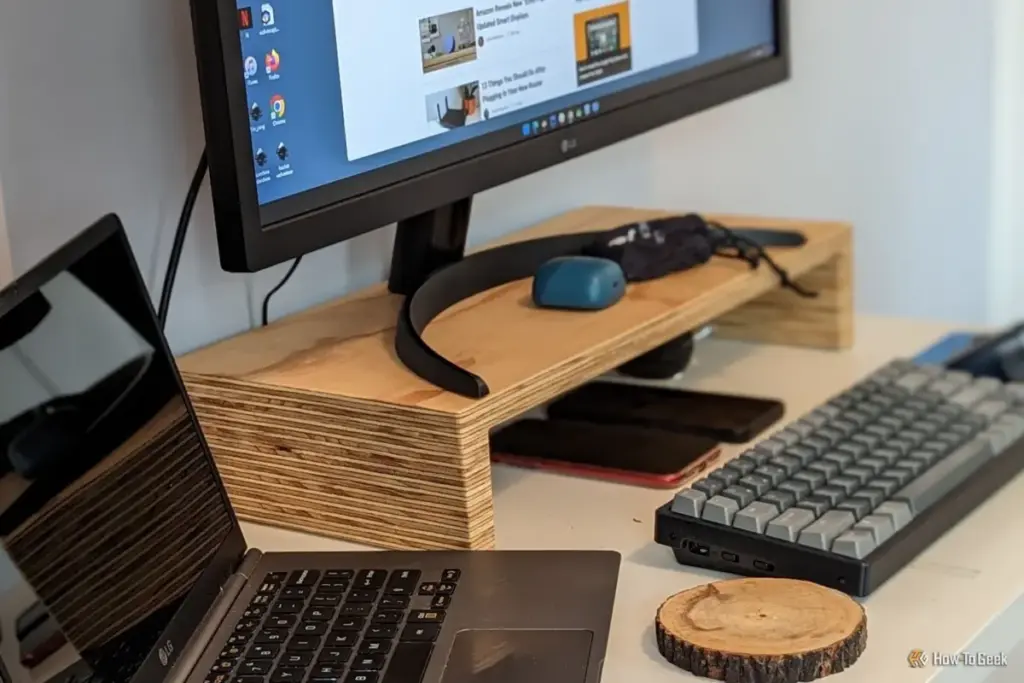
One of the most straightforward yet rewarding projects in Fedewa’s portfolio is a custom monitor stand. Born from the need for better desk ergonomics, the project utilized scrap plywood—what Fedewa jokingly refers to as "woodworker math," where existing materials render the project essentially free.
Rather than attempting to hide the edges of the plywood, which is a common practice in traditional furniture making, Fedewa opted for a modern, industrial aesthetic by showcasing the distinct layers of the material. By stacking narrow strips for the sides and securing them with glue and brad nails, he created a sturdy, functional piece. The final steps—sanding and a coat of polycrylic—transformed raw construction material into a polished piece of office furniture. This project highlights a key lesson for beginners: simplicity in design often leads to the most professional-looking results.
The Sofa Arm Table: A Solution for Small Spaces
Innovation in woodworking often comes from a desire to solve a specific household problem. For those with living room layouts that cannot accommodate a traditional side table, the "where do I put my drink?" dilemma is a constant frustration. Fedewa’s solution was a sleek, three-piece sofa arm table.
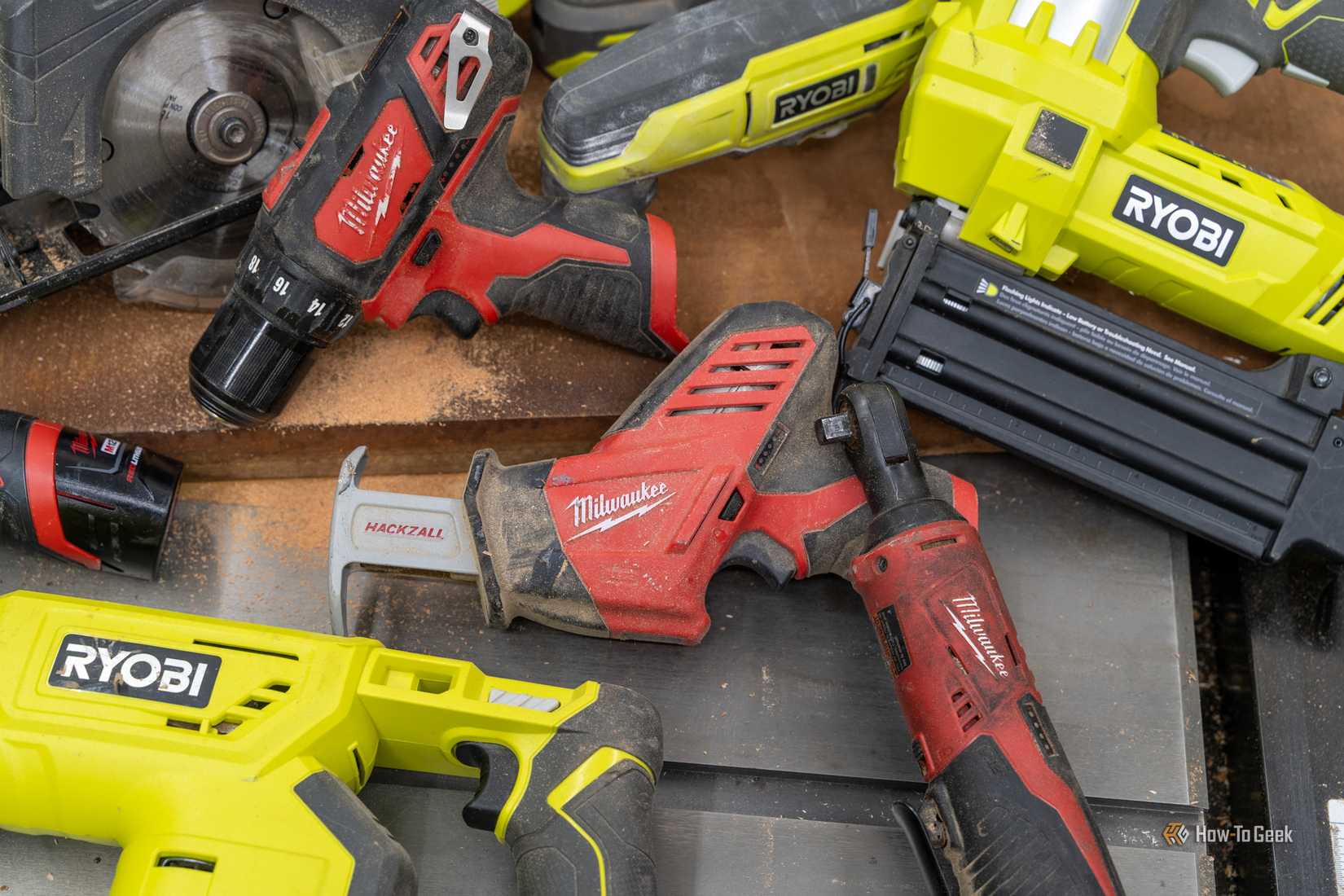
The design is deceptively simple: two boards glued in an L-shape to hug the arm of the couch, with a third vertical board providing stability against the side of the furniture. To ensure a strong bond, Fedewa utilized a pocket hole jig—a tool he highly recommends for beginners. Pocket holes allow for strong, hidden joinery with minimal technical skill, making them a staple for those just starting their woodworking journey.
The Banana Tree: Practicing Curves
While many early woodworking projects focus on straight lines and 90-degree angles, the introduction of curves represents a significant step in a maker’s development. Fedewa’s "banana tree" project provided an opportunity to practice with a jigsaw, a tool often maligned for its lack of precision but invaluable for small-scale shops where a large band saw is impractical.
By drawing a custom shape directly onto a piece of poplar and using a router to add a decorative edge to the base, Fedewa created a kitchen accessory that is both functional and more aesthetically pleasing than mass-produced plastic alternatives found online. The project serves as a reminder that even the most mundane household items can be improved through custom craftsmanship.
 Tech Tutorials & How-To Guides
Microsoft Security Reports Highlight Growing Need for Advanced Windows 11 Protection Measures
The landscape of digital security is undergoing a fundamental shift as cybercriminals...
 Tech Tutorials & How-To Guides
Reclaiming the Silicon: How Raspberry Pi Offers a Sophisticated Escape from the Modern Smart Device Trap
In the corners of many modern households, there exists a quiet graveyard...
 Tech Tutorials & How-To Guides
The High-Fidelity Revolution for Under $30: How Budget In-Ear Monitors Are Challenging the Audio Hierarchy
For the better part of two decades, the world of high-fidelity audio...







