
Organizational Joinery: The Pet Station
For pet owners, organization is often a secondary thought to the daily routine of care. Fedewa designed a specialized holder for dog treats and leashes to streamline his own backyard routine. The project required a backplate, a C-shaped bracket to secure a mason jar, a small shelf, and a custom-shaped hanger.
This project demonstrates the power of "bespoke" making—the ability to measure a specific object (in this case, a glass jar) and build a dedicated home for it. By screwing the components through the backplate, Fedewa created a durable, wall-mounted station that solved a daily organizational headache.
The Serving Tray: Perceived Complexity vs. Technical Reality
Perhaps the most impressive-looking project in Fedewa’s collection is the wooden serving tray. While it appears sophisticated to the uninitiated, the construction process is remarkably approachable.
The tray consists of a bottom board—formed by gluing two pieces together—and four side rails. The "wow factor" comes from the treatment of the short sides, where Fedewa used rounded corners and integrated handle cutouts. The project emphasizes the importance of the finishing stage; careful sanding and the management of "glue squeeze-out" are what elevate a simple box into a high-quality serving piece. It is a prime example of a project that builds a maker’s reputation without requiring master-level joinery skills.
The Psychological Impact of Making
Beyond the physical items produced, Fedewa emphasizes the psychological benefits of the craft. Woodworking provides a tangible sense of accomplishment that is often missing from digital work. In an industry like tech journalism, where "products" are often ethereal lines of code or digital articles, the ability to hold a physical object that you created from a raw board is immensely satisfying.
As makers progress, the "demystification" of the hobby becomes its own reward. Each project completed builds the confidence necessary to tackle more complex designs. The realization that most furniture is simply a collection of boards joined in specific ways empowers the hobbyist to look at the world differently, seeing possibilities for repair and creation where they once saw only consumer products.
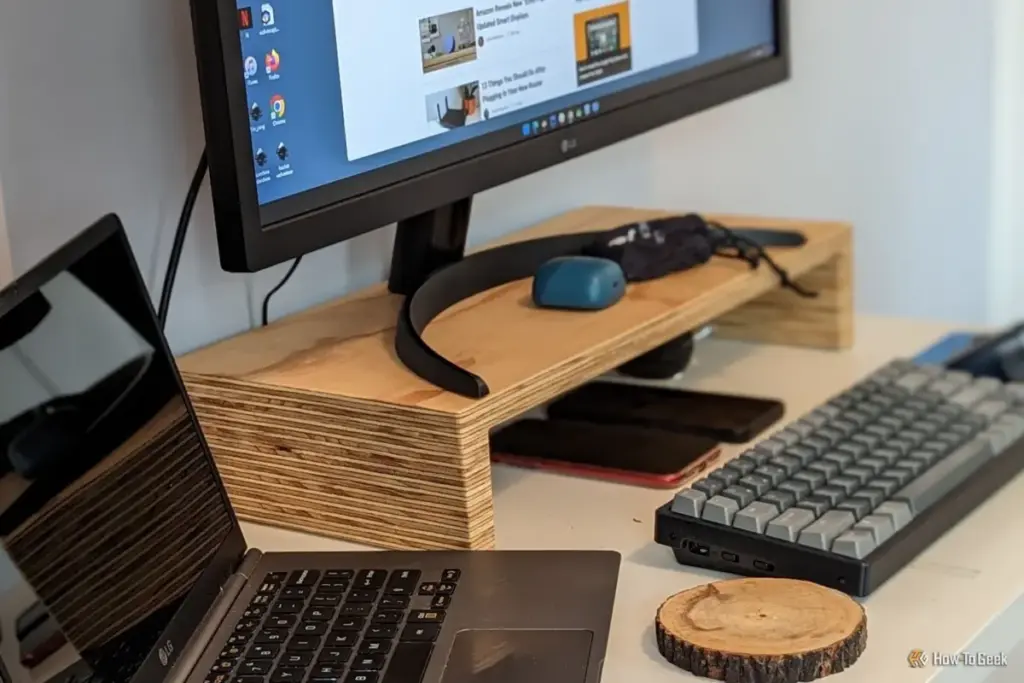
Fedewa’s experience suggests that the heart of woodworking isn’t found in the latest high-tech shop gadgets, but in the willingness to start small, use what you have, and learn through the process of doing. Whether it’s a simple monitor stand or a custom piece of pet furniture, the act of making remains one of the most rewarding ways to bridge the gap between our digital lives and the physical world.
 Tech Tutorials & How-To Guides
Bridging the Automation Gap: How Google Gemini is Transforming Smart Home Management Through Personal Intelligence
In the rapidly evolving landscape of the modern smart home, the promise...
 Tech Tutorials & How-To Guides
The Digital Sanctuary: Why Linux Is Ironically the Best Haven for Classic Windows Enthusiasts
For many technology users who came of age during the late 1990s...
 Tech Tutorials & How-To Guides
The Hidden Hazards of Pausing 3D Prints: Why Glitter and Sand Can Devastate Your Hardware
The ability to pause a 3D print mid-operation has long been celebrated...







