
The promise of the modern smart home has always been one of seamless convenience, where lights adjust to our moods, climate control anticipates our arrival, and security systems guard our property with vigilant precision. However, as the ecosystem has matured, many homeowners have encountered a significant barrier to entry: the escalating cost of hardware. While a single smart bulb or a basic door sensor might only cost a few dollars, the infrastructure required to run a truly sophisticated, integrated home can quickly run into the thousands.
From high-end hubs and border routers to specialized environmental sensors and automated plumbing safeguards, the price of "plug-and-play" retail solutions has left many consumers looking for alternatives. This financial pressure, combined with a growing desire for local control and data privacy, has fueled a burgeoning movement of DIY smart home enthusiasts. By leveraging open-source software and inexpensive microcontrollers, these hobbyists are proving that it is possible to build professional-grade smart home devices for a fraction of the price of commercial equivalents.
Bridging the Connectivity Gap: The $5 Thread Border Router
One of the most significant recent developments in smart home technology is the emergence of Thread. As a low-power, self-healing mesh networking protocol, Thread is designed specifically to solve the connectivity issues that have long plagued the industry. Unlike Wi-Fi, which can be power-hungry and prone to congestion, or Bluetooth, which has limited range, Thread allows devices to communicate with each other directly, passing data through the network to ensure reliability.
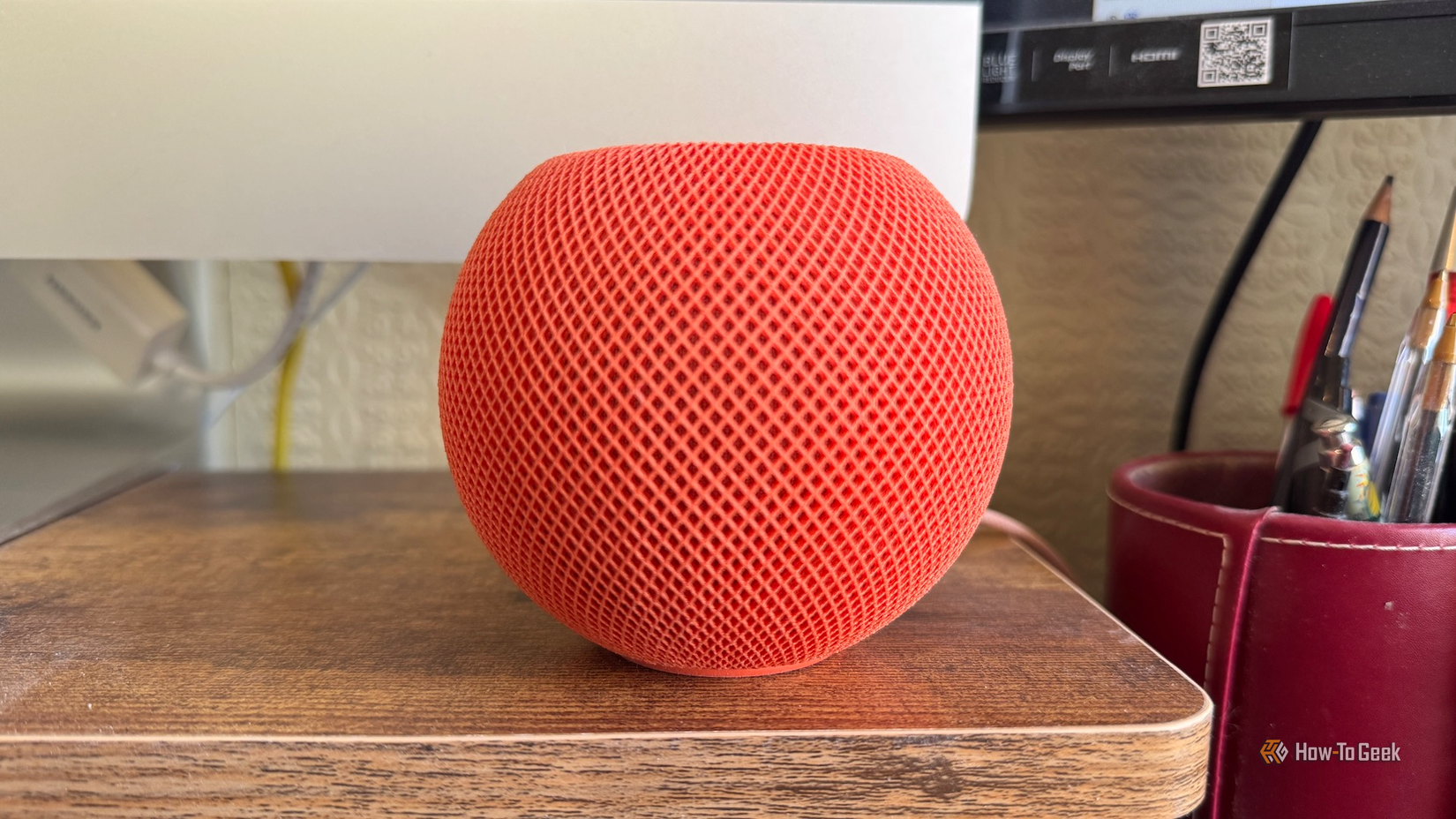
However, Thread devices cannot communicate with a standard Wi-Fi network on their own. They require a Thread Border Router (TBR) to act as a bridge between the Thread mesh and the rest of the home network. For many users, this has traditionally meant purchasing expensive ecosystem anchors such as an Apple TV 4K, a HomePod mini, or a high-end Amazon Echo. For those who do not already own these devices or prefer not to be locked into a specific manufacturer’s ecosystem, the cost of adding Thread support can be a significant deterrent.
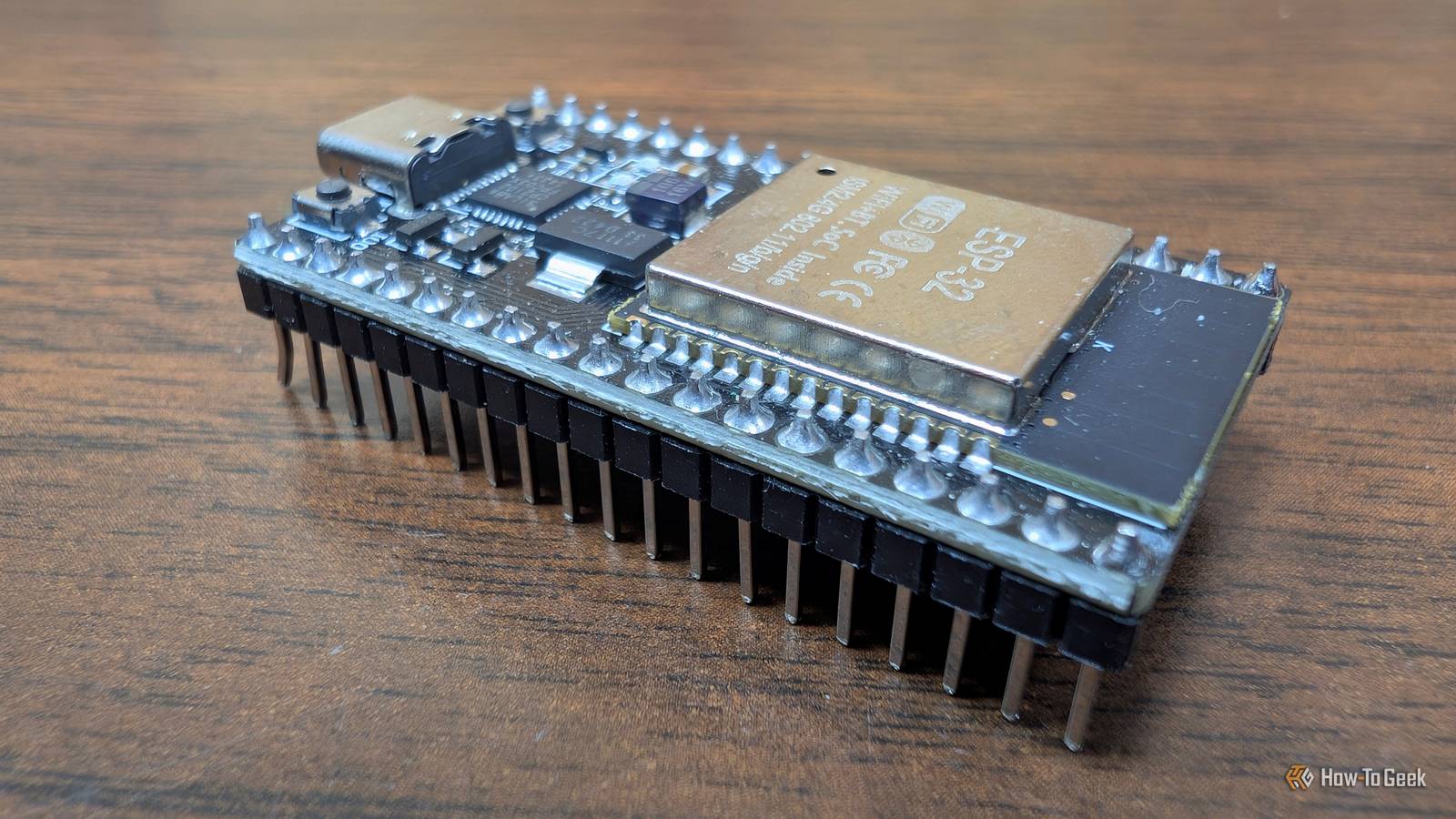
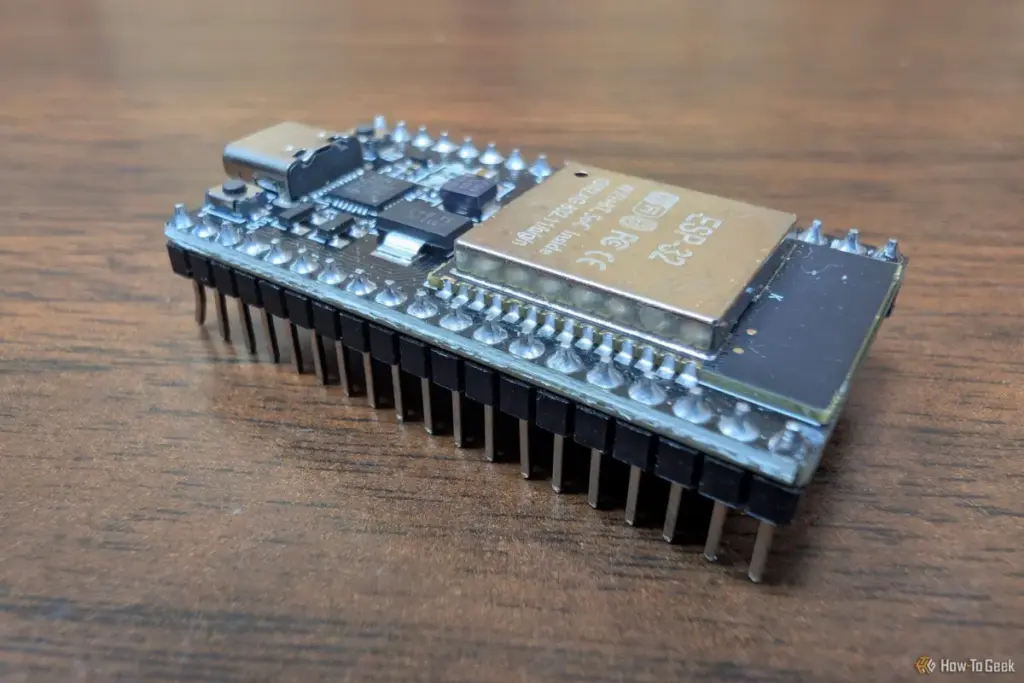
The DIY community has recently identified a remarkably cost-effective solution to this problem. By using an ESP32-C6 development board—a tiny, versatile microcontroller that includes the necessary IEEE 802.15.4 radio—users are now building their own Thread Border Routers for approximately $5.
The project, which gained traction within the Home Assistant community, demonstrates the power of modular hardware. In this setup, the ESP32-C6 handles the physical wireless communication, while the OpenThread Border Router software runs on a central home automation server. This hybrid approach not only slashes the cost of entry but also provides a level of transparency and local control that many commercial "black box" routers cannot match. Users have reported significant success in commissioning Matter-over-Thread devices using these homemade bridges, signaling a shift away from the necessity of expensive, brand-name hardware.
Breath of Fresh Air: High-End Monitoring Without the Premium Price
The focus of the smart home movement is also shifting inward, specifically toward the air we breathe. Indoor air quality has become a major concern for health-conscious homeowners, as modern construction techniques—while energy-efficient—often trap pollutants inside. Everyday activities like searing a steak, using cleaning sprays, or even the "off-gassing" of new furniture can lead to high levels of volatile organic compounds (VOCs), particulate matter (PM2.5), and carbon dioxide.
While basic smoke and carbon monoxide detectors are standard, comprehensive air quality monitors that track a wide array of pollutants are often prohibitively expensive. Premium commercial monitors capable of measuring CO2, VOCs, nitrogen oxides (NOx), and particulate matter frequently retail for $200 to $300.
To combat these costs, enthusiasts are turning to custom-built solutions. One prominent project recently shared within the community utilizes an ESP32-C3 board paired with a high-precision Sensirion SEN66 sensor module. This DIY device, often housed in custom 3D-printed enclosures with integrated e-paper displays, provides real-time data on the home’s environment.

The creator of this specific project, known as the "Aether" monitor, estimated that the components and a custom-printed circuit board (PCB) cost roughly $100. While $100 is not "cheap" in an absolute sense, it represents a nearly 60% saving over commercial products with comparable sensor accuracy. Furthermore, by using open-source firmware like ESPHome, these DIY monitors can be integrated directly into a home automation system without relying on external cloud servers, ensuring that sensitive environmental data stays within the home.
Preventing Catastrophe: Advanced Water Monitoring and Mitigation
Perhaps the most practical application of DIY smart home technology is in the realm of damage prevention. Water damage from leaking pipes or failed appliances is one of the leading causes of home insurance claims, often resulting in tens of thousands of dollars in repairs. While simple, battery-operated leak sensors are relatively inexpensive and widely available, they are often reactive rather than proactive.
The limitation of a standard leak sensor is that it only alerts the homeowner after water has already reached the floor. If a leak occurs while the residents are at work or on vacation, an alert on a smartphone is of little use if there is no way to shut off the water supply remotely. Commercial smart water valves and flow monitors exist to solve this problem, but they are notorious for their high price tags and, in many cases, their reliance on proprietary cloud services that require monthly subscriptions.
Innovative homeowners are now bypassing these expensive proprietary systems by cobbling together comprehensive water management suites. A recent setup highlighted by a Home Assistant user demonstrates the effectiveness of a multi-tiered DIY approach. The system combines several affordable components: a Zigbee-controlled shutoff valve mounted to the main water line, a series of distributed leak sensors, and a specialized ESP32 device running "AI-on-the-edge" software.
The inclusion of the "AI-on-the-edge" component is particularly ingenious. By using a small camera aimed at a traditional, non-smart water meter, the software uses optical character recognition (OCR) to track water usage in real-time. This allows the system to detect "silent" leaks—such as a running toilet or a pinhole leak behind a wall—that a standard floor sensor would never catch.
By integrating this data with a pressure transducer, the homeowner created a sophisticated automation: the system monitors water pressure overnight. If a significant drop in pressure is detected while the main valve is closed, it indicates a leak in the plumbing. The system can then prevent the water from being turned back on in the morning, effectively neutralizing the threat before it can cause structural damage. This level of sophisticated, logic-based protection is rarely found in off-the-shelf consumer products, and when it is, it typically carries a premium price.
The Value of Local Control and Customization
The trend toward DIY smart home hardware is driven by more than just a desire to save money. For many, it is a matter of principle and longevity. The consumer technology market is littered with examples of "smart" devices that became useless "bricks" after a manufacturer went out of business or decided to shut down the necessary cloud servers.
By building their own devices using microcontrollers like the ESP32 and open-source platforms, users are ensuring that their home remains functional regardless of the fate of any single company. This "local-first" philosophy means that the devices communicate over the home network without needing to send data to a data center halfway across the world. This not only improves response times—making the home feel more "magical" and instantaneous—but also significantly enhances privacy.
As the smart home continues to evolve, the gap between expensive retail products and affordable DIY alternatives is likely to widen. For the engineer, the hobbyist, or even the budget-conscious homeowner willing to learn a few new skills, the ability to build a customized, high-performance smart home is no longer a futuristic dream, but a highly accessible reality. Whether it is a $5 router or a $100 air monitor, the message from the DIY community is clear: you don’t have to pay a premium to live in the home of the future.
 Tech Tutorials & How-To Guides
The Evolution of Mobile Audio: Why Your Smartphone is a Professional-Grade Microphone in Disguise
In the modern era of digital content creation, the barrier to entry...
 Tech Tutorials & How-To Guides
A New Titan in Entertainment: Navigating the Skydance Merger and the Future of Streaming
The landscape of global media has undergone a seismic shift as the...
 Tech Tutorials & How-To Guides
Amazon Slashes Price of Flagship Fire TV Cube to Record Low in Early Black Friday Deal
The landscape of home entertainment has shifted dramatically over the last decade,...







