The launch of a new flagship smartphone is almost always accompanied by a suite of exclusive software features designed to entice users into an upgrade. With the release of the Pixel 11, Google’s standout selling point hasn’t been a revolutionary camera sensor or a breakthrough in battery chemistry, but rather a sophisticated AI-driven voice-to-text tool called Rambler. Positioned as the next evolution of mobile dictation, Rambler has been marketed as a feature that leverages the specific architectural advantages of the latest Tensor processing units. However, recent real-world testing suggests that the hardware requirements for this "next-generation" tool may be more of a marketing choice than a technical necessity.
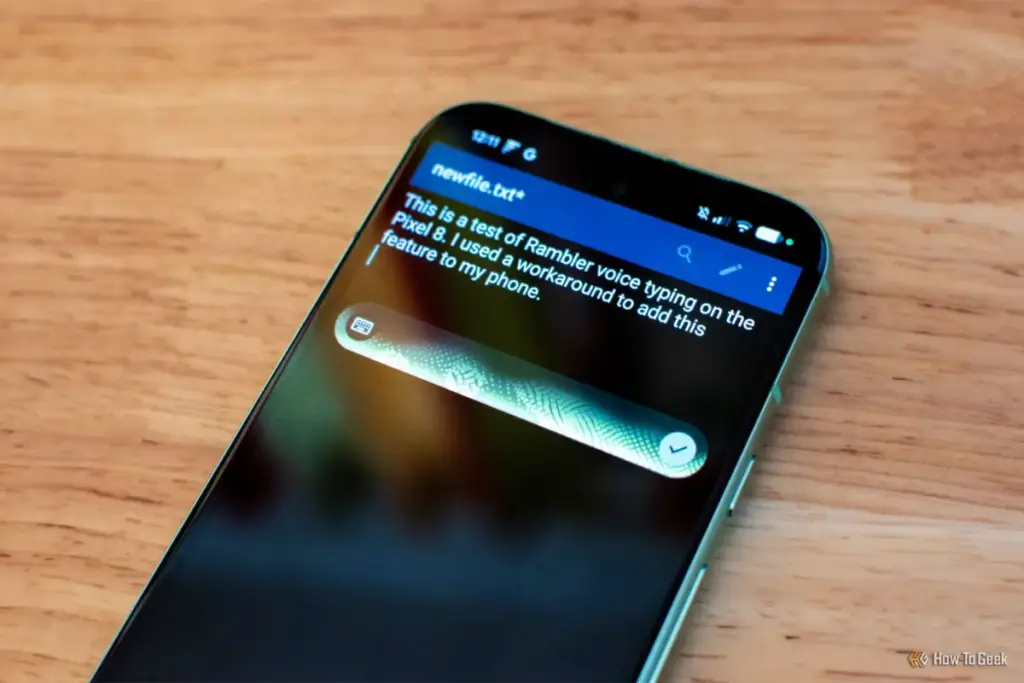
In a series of tests conducted on a Pixel 8a—a mid-range device released two years prior—it has been demonstrated that Rambler is fully capable of operating on older hardware with surprising efficiency. This discovery raises significant questions about Google’s current strategy of artificial feature gating and the true capabilities of its older silicon. While the company has historically used software exclusivity to drive hardware sales, the seamless performance of Rambler on a 2024-era device suggests that the benefits of the Pixel 11’s newest features could, and perhaps should, be made available to a much wider audience.
What is Rambler?
To understand why Rambler is considered a significant leap forward, one must first look at the long-standing frustrations associated with standard voice-to-text algorithms. For years, Google’s standard voice typing tool has been a double-edged sword. While it is often fast, it remains notoriously unreliable in casual settings. Traditional algorithms struggle with the nuances of human speech, often mangling punctuation, mishearing homophones, or simply disconnecting mid-sentence.
The primary obstacle for older voice-to-text systems is that human speech rarely follows the rigid rules of written language. In casual conversation, we utilize grammatical shortcuts, mid-sentence self-corrections, and a constant stream of filler words—the "uhms," "ahs," and "likes" that pepper our daily interactions. Standard dictation tools usually attempt to transcribe these noises literally, resulting in a "stream-of-consciousness soup" that requires extensive manual editing before it can be sent as a professional email or even a coherent text message.
Rambler attempts to solve these systemic issues by processing speech through a combination of on-device and cloud-based Large Language Models (LLMs). Rather than acting as a simple stenographer, Rambler functions more like a real-time editor. As you speak, the system analyzes the context of your sentences. It automatically strips out filler words, corrects grammatical inconsistencies, and applies logical punctuation based on the cadence of your voice. Crucially, it manages to do this while retaining the user’s general tone and intent, ensuring the output still sounds like the person who spoke it.
Beyond simple transcription, Rambler introduces a level of precision editing previously unseen in mobile keyboards. Because it is built on an LLM foundation, it understands natural language commands. Users can dictate a paragraph and then simply say, "make this sound more professional," or "make this shorter and more casual," and the keyboard will rewrite the text accordingly. It even supports specific insertion commands, allowing users to ask the AI to "insert a coffee emoji at the end" or "add a sentence about the meeting time after the first paragraph."
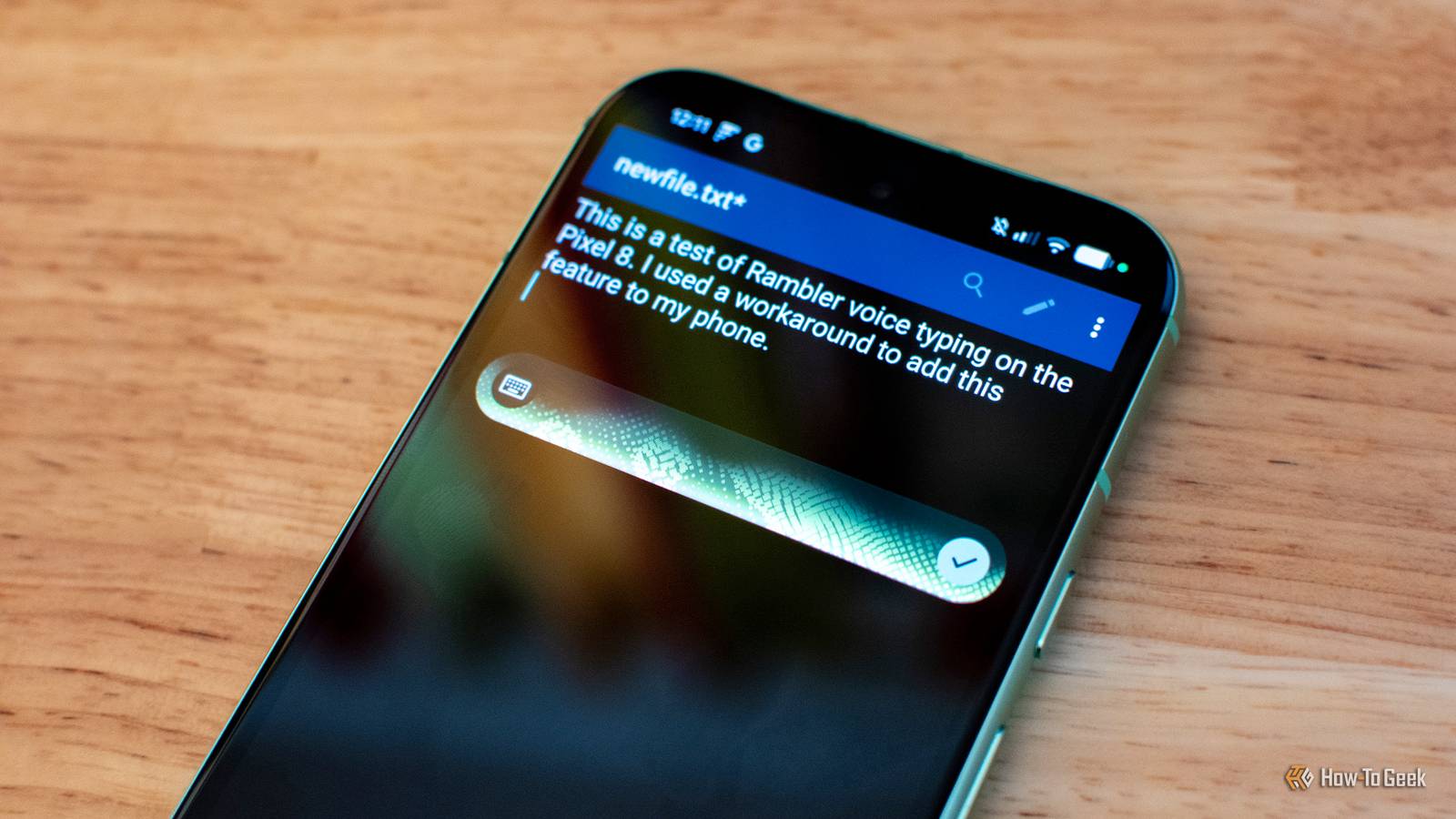
Exclusive to the Pixel 11 and the newly released Googlebook 14, Rambler replaces the standard microphone icon in the top-right corner of Gboard. For the average user, the transition is designed to be seamless. There are no new buttons to learn; the act of voice typing remains the same, but the results are fundamentally more polished.
 Tech Tutorials & How-To Guides
Samsung Galaxy Z Fold 8 Sees First Major Price Drop as Amazon Slashing $300 Off Redesigned Foldable
In a significant move for the high-end smartphone market, Samsung’s latest flagship...
 Tech Tutorials & How-To Guides
Samsung One UI 9: Redefining the Galaxy Experience Through Integrated AI and User-Centric Design
For over a decade, Samsung has maintained its position at the forefront...
 Tech Tutorials & How-To Guides
Open-Source Innovation: Transforming Modern Living Through Versatile ESP32-Based Smart Home Integrations
The landscape of the modern smart home is often dominated by a...