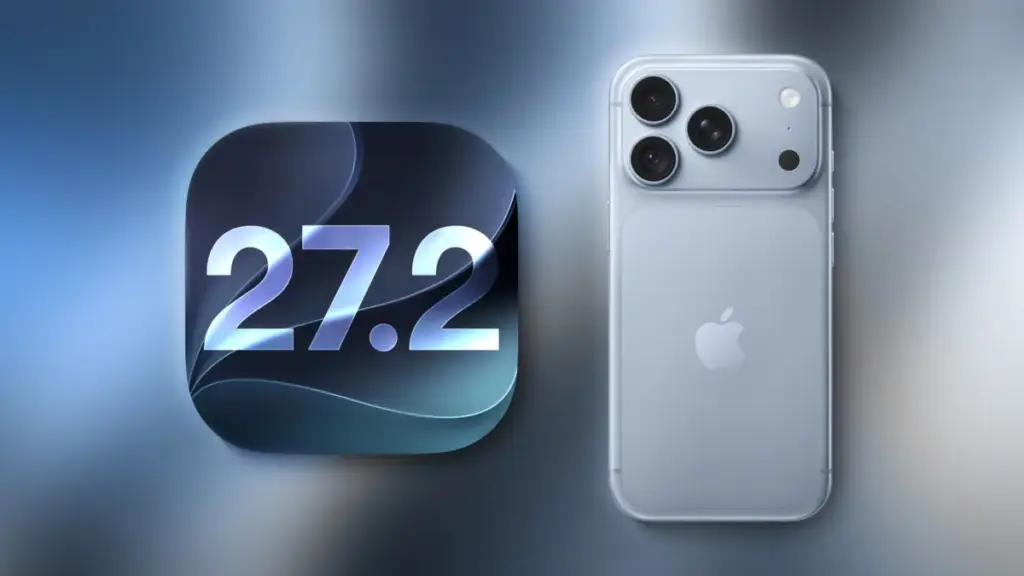
Apple has introduced a selfie-based age verification system in its iOS 27.2 and iPadOS 27.2 software updates, giving users in supported regions a new method to prove they are adults without submitting sensitive personal identification such as a credit card or a government-issued photo ID. The feature offers a privacy-focused alternative for users encountering age-restricted software, services, or system settings, allowing them to complete age checks directly through their device’s camera interface.
According to an official Apple support document detailing the feature, the new system works by estimating whether an individual is an adult through an automated analysis of their facial features. Rather than taking a static photo, the age verification capture sequence guides the user through a series of dynamic motion checks. Onscreen prompts instruct the user to slowly turn and tilt their head, enabling the system to evaluate key facial metrics and capture views of the face from four distinct directional angles.
To execute the facial analysis while preserving user privacy, Apple has implemented a hybrid processing architecture that splits the computational workload between local hardware and remote secure cloud infrastructure. The verification mechanism combines real-time processing executed locally on the user’s iPhone or iPad with high-level analytical processing powered by Private Cloud Compute. Once both layers of analysis complete their checks, the final verification results are synthesized locally on the device itself.
Data privacy and security form a core component of the new feature’s design. Apple explicitly states in its support documentation that the video captures and facial imagery captured during the scan remain completely inaccessible to Apple, external developers, or any third parties at all times during the evaluation process. The imagery is processed within an isolated environment, and as soon as the system successfully establishes and confirms the user’s adult status, the temporary selfie data utilized during the scan is permanently deleted from the system.
 macOS & Apple IT Support
Apple Engineering Leadership Restructure Triggers Executive Transitions, Layoffs, and Display Team Shift
In a major organizational shift across Apple’s hardware and software engineering divisions,...
 macOS & Apple IT Support
Fortnite Returns to Australian App Store Following Federal Court Order Against Apple
In a major development following years of legal maneuvering over mobile marketplace...
 macOS & Apple IT Support
Verizon to Charge $10 Monthly for Apple’s iOS 27 iPhone Handoff Feature as Carrier Support Expands
Verizon has officially confirmed its pricing structure for Apple’s newly introduced iPhone...