
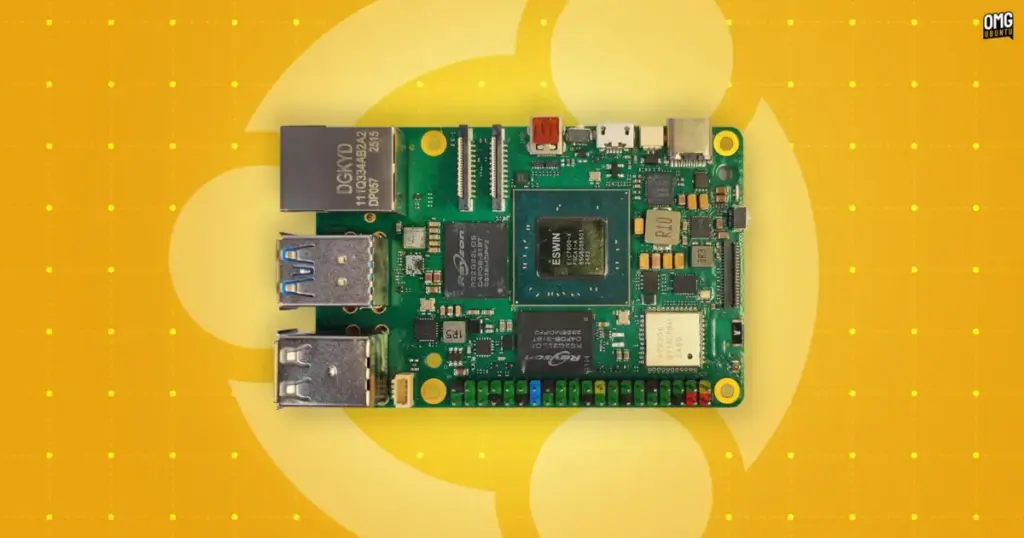
On physical hardware, however, the computing landscape is very different. On bare-metal silicon designed to modern specifications, Haudiquet noted that the full GNOME image delivers a pleasant and performant desktop experience. The noticeable difference in performance underscores the substantial leaps forward that RISC-V processor designers and board manufacturers have achieved in recent hardware generations.
Achieving this functional desktop experience required extensive foundational engineering across multiple layers of the Ubuntu software stack. A pivotal component of this work was Canonical’s effort to bring RISC-V support to Google’s Flutter framework. In modern Ubuntu releases, several key user-facing components—most notably the system’s primary subiquity-driven desktop installer—are constructed using Flutter. Without a fully ported, optimized, and stable Flutter engine for the riscv64 target, building an authentic, out-of-the-box Ubuntu desktop installation experience simply was not possible.
Despite this milestone, Canonical’s desktop software ecosystem on RISC-V is not yet completely populated. While foundational graphical applications and the core shell operate as intended, several popular desktop Snaps have not yet been successfully built or optimized for the riscv64 target. Most visibly, the graphical Ubuntu App Center snap is not yet ready for the architecture, meaning testers must rely on traditional command-line package management utilities like apt to discover and manage their software installations.

Significant engineering effort was also required at the operating system plumbing level. Canonical’s engineering team had to introduce modifications to livecd-rootfs, the core set of tools responsible for assembling live environment root filesystems. Because RISC-V platforms rely heavily on device trees to convey board-level hardware topologies to the Linux kernel during early boot, the live media creation scripts had to be updated to manage device trees properly during the generation of the bootable media. Furthermore, Canonical’s overarching build and continuous integration pipelines required modernization to reliably churn out daily, bootable riscv64 desktop ISOs alongside traditional architecture builds.
But weren’t RISC-V tablets sold with Ubuntu on?
The release of official desktop images naturally prompts questions regarding earlier RISC-V commercial hardware. In recent years, several hardware makers have brought RISC-V tablets, development laptops, and single-board computers to market with Ubuntu advertised as the primary operating system, including high-profile devices such as the DC-ROMA Pad II.
However, the operating system deployments on those devices were the product of custom downstream engineering rather than standard, upstream Canonical desktop distribution channels. Canonical has provided official Ubuntu Server images for the riscv64 architecture for several years. Historically, experienced users and hardware manufacturers could flash an official server image to an SD card or eMMC storage module, boot the machine, and manually install graphical desktop metapackages using the package manager. While technically feasible, this multi-step approach fell far short of providing a polished, automated installer with live desktop sessions suitable for general computing.
 Linux & Open Source Solutions
The Document Foundation Unveils New Visual Identity to Establish Distinct Institutional Profile Apart from LibreOffice
The Document Foundation, the charitable non-profit entity responsible for overseeing the development...
 Linux & Open Source Solutions
Kagi Halts Development of Orion Browser for Linux and Windows, Plans to Open Source Codebase
Kagi has officially announced that it is ending the internal development of...
 Linux & Open Source Solutions
OpenShot Video Editor Arrives on the Canonical Snap Store, Bringing Version 4.0 to Ubuntu Users
In a major milestone for open-source desktop multimedia production, the popular Qt-based...







