

A common pitfall in vulnerability management is the tendency to prioritize work based on how long a ticket has been open. However, a risk-based approach, as advocated by CISA, suggests a more nuanced strategy. CISA’s Known Exploited Vulnerabilities (KEV) Catalog is a vital tool in this regard, helping teams identify which weaknesses are currently being leveraged by attackers in the wild.
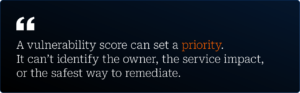
Prioritization should take into account the reachability of the asset, the sensitivity of the data it handles, and the existence of any compensating controls that might mitigate the risk. This framework allows organizations to make documented, risk-based decisions. It distinguishes between a ticket that is aging because it is a low priority and one that is aging because no one knows who is responsible for the asset.
Mature programs also look beyond simple averages when measuring success. While "average time to patch" is a common metric, it can often hide a "long tail" of neglected vulnerabilities on critical systems. Tracking the 90th percentile of remediation time provides a clearer picture of where the process is failing and which high-risk issues are lingering beyond their target dates.
The Role of Change Control in Rapid Remediation
Speed is essential in security, particularly when dealing with zero-day exploits. However, the urgency of a "patch immediately" order must be balanced against the stability of the production environment. IT change management provides the structure necessary to assess and implement these fixes without causing unintended outages.
Changes can generally be categorized into three types: standard, normal, and emergency. Standard changes are for low-risk, repetitive tasks that follow a pre-authorized procedure. Normal changes require a more detailed impact analysis and scheduling due to their complexity. Emergency changes are reserved for urgent risks that require immediate action. Even in an emergency, however, the process must be documented to capture what was changed, who authorized it, and how it was validated.
By standardizing routine work, teams can move faster on the majority of vulnerabilities, leaving them with more time to focus on the complex, high-impact changes that require careful coordination across multiple departments.
Validating Success and Addressing Root Causes
The remediation process is not complete until the fix has been validated. Closing a ticket based on the assumption that a patch was successful is a dangerous practice. Validation should involve rescanning the asset, checking version numbers, and performing application tests to ensure that the service is operating correctly.
In cases where remediation cannot happen immediately, organizations must manage exceptions through a formal, time-bound process. These exceptions should include a justification for the delay, a description of compensating controls, and a clear expiration date to prevent them from becoming permanent security holes.
Finally, recurring vulnerabilities should be treated as a systemic issue rather than a series of isolated incidents. Problem management practices can help teams investigate the root causes of these patterns. Whether the issue is an unsupported legacy system or a flawed deployment process, identifying and fixing the underlying cause is the only way to prevent the same risks from returning. By building this operational foundation, organizations can ensure that their security efforts are not just reactive, but are a core component of their overall cyber resilience.
 Helpdesk & IT Service Management (ITSM)
Security Researchers Uncover Global Spyware Campaign Exploiting Legitimate Advertising Networks
In a discovery that highlights the deepening vulnerabilities of the global digital...
 Helpdesk & IT Service Management (ITSM)
Asus Expands Snapdragon-Powered Lineup with Affordable Zenbook 14 for the Modern Professional
Asus has officially expanded its ultra-portable laptop portfolio with the introduction of...
 Helpdesk & IT Service Management (ITSM)
Elon Musk Warns of Impending ‘Shakeout’ in the Neocloud Market as Debt Access Tightens for AI Infrastructure Providers
The burgeoning sector of specialized artificial intelligence cloud providers, frequently referred to...







