
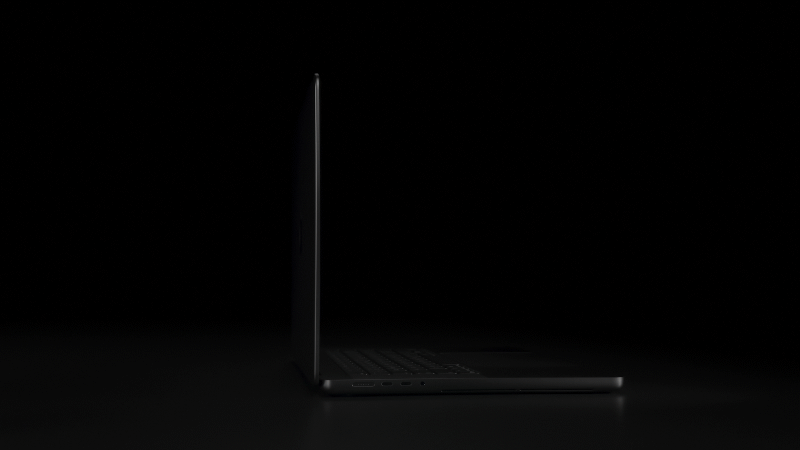
In a move that marks one of the most significant architectural and philosophical shifts in the history of the Macintosh, Apple has officially introduced its first-ever touchscreen laptops. At a high-profile hardware event held in Los Angeles, the company pulled back the curtain on a redesigned MacBook Pro lineup that finally integrates finger-input technology directly into the display. This development ends years of speculation and breaks a long-standing company tradition that had previously relegated touch interfaces exclusively to the iPhone and iPad ecosystems.
The new MacBook Pro models, available in 14-inch and 16-inch configurations, represent a dual-threat upgrade for Apple’s professional user base. Not only do these systems introduce the long-awaited touch functionality, but they also debut Apple’s transition to OLED XDR display technology for its flagship laptops. These machines are powered by the latest iterations of Apple’s proprietary silicon, featuring the M5 Pro and M5 Max chips, which promise to push the boundaries of mobile computing performance.
Apple announced that both the 14-inch and 16-inch MacBook Pro models are available for pre-order starting today, with units scheduled to begin shipping to customers and appearing in retail stores on November 6. The pricing reflects the high-end nature of the hardware and the professional demographic Apple is targeting. The 14-inch MacBook Pro starts at a premium entry point of $2,899, while the larger 16-inch model begins at $3,399. For power users requiring maximum specifications, the systems can be configured with up to a staggering 16TB of internal storage and 128GB of unified memory.
The introduction of a touchscreen Mac is a pivot that many industry analysts have anticipated for years, though Apple leadership had historically resisted the idea. For over a decade, the company maintained that a vertical screen was not the ideal ergonomic surface for touch interaction, with former executives famously citing "gorilla arm" fatigue as a reason to keep macOS and iPadOS input methods separate. However, as the line between tablet and laptop workflows has continued to blur for creative professionals, the demand for direct manipulation of on-screen elements—particularly in creative suites like Final Cut Pro and Logic Pro—has become impossible to ignore.
The centerpiece of these new machines is the OLED XDR display. This move from the previous mini-LED technology to organic light-emitting diodes allows for even deeper black levels, higher contrast ratios, and faster response times. By integrating the touch sensors directly into the OLED stack, Apple has managed to maintain a remarkably thin display profile, avoiding the bulk that often accompanies touchscreen integration in high-performance laptops. The "XDR" or Extreme Dynamic Range branding remains, ensuring that the panels meet the rigorous brightness and color accuracy standards required by professional colorists and photographers.
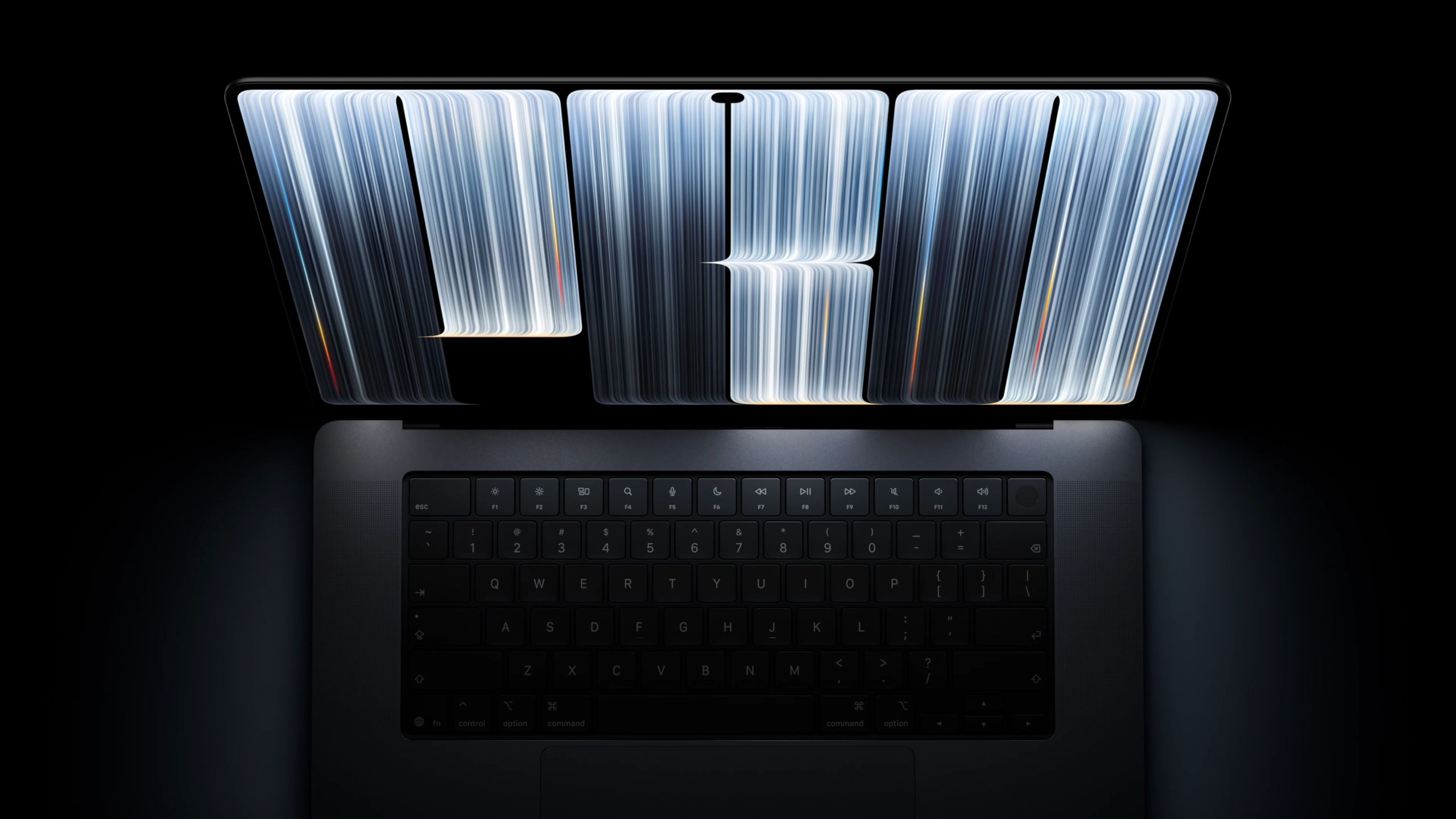
While the touch interface is the headline feature, the internal hardware is equally formidable. The M5 Pro and M5 Max chips represent the fifth generation of Apple’s move away from Intel, continuing a trajectory of efficiency and raw power. The M5 Max, in particular, is designed to handle the most demanding workflows, such as rendering complex 3D environments, compiling massive codebases, or processing multi-stream 8K video. The support for up to 128GB of memory ensures that these machines can handle high-end AI development and large-scale data science tasks that were previously the domain of desktop workstations.
The storage options are also noteworthy. By offering up to 16TB of onboard SSD storage, Apple is addressing a specific pain point for field-based professionals who deal with massive file sizes and cannot always rely on external drives or cloud connectivity. This level of internal capacity is virtually unprecedented in the consumer and prosumer laptop market, further cementing the MacBook Pro’s position as a mobile studio for high-end production.
The shift to a touchscreen interface also raises questions about the evolution of macOS. While the company did not announce a fundamental redesign of the operating system’s UI at the Los Angeles event, the integration of touch suggests that future updates to macOS will likely become increasingly touch-friendly. For now, the touch capability is expected to act as a secondary input method, complementing the Force Touch trackpad and the physical keyboard rather than replacing them. This "additive" approach allows users to scroll through timelines, pinch-to-zoom on high-resolution images, or tap on-screen buttons without requiring a total overhaul of the desktop experience they are accustomed to.
Historically, Apple’s attempts to bridge the gap between touch and the Mac were limited to the Touch Bar—a thin OLED strip above the keyboard that replaced the function keys. While the Touch Bar offered contextual shortcuts, it never quite achieved the level of adoption or utility that Apple had hoped for, eventually leading to its removal in recent design iterations. The leap to a full-screen touch interface suggests that the company has finally found a way to implement the technology that meets its internal standards for quality and user experience.
The competition in the high-end laptop space has featured touchscreen options for years. Windows-based rivals like the Microsoft Surface line, the Dell XPS series, and Lenovo’s ThinkPad X1 Carbon have long offered touch and stylus support as standard or optional features. Apple’s late entry into this segment follows a familiar pattern for the company: waiting until a technology is mature enough—and until their own custom silicon can support it without compromising battery life or thermal performance—before bringing it to market.
The professional community’s reaction to the pricing will likely be a topic of discussion in the coming weeks. At $2,899 and $3,399 for the base models, these are among the most expensive entry prices for the MacBook Pro line in recent memory. However, the inclusion of OLED technology and the significant jump in base performance metrics may justify the cost for those whose livelihoods depend on cutting-edge hardware.
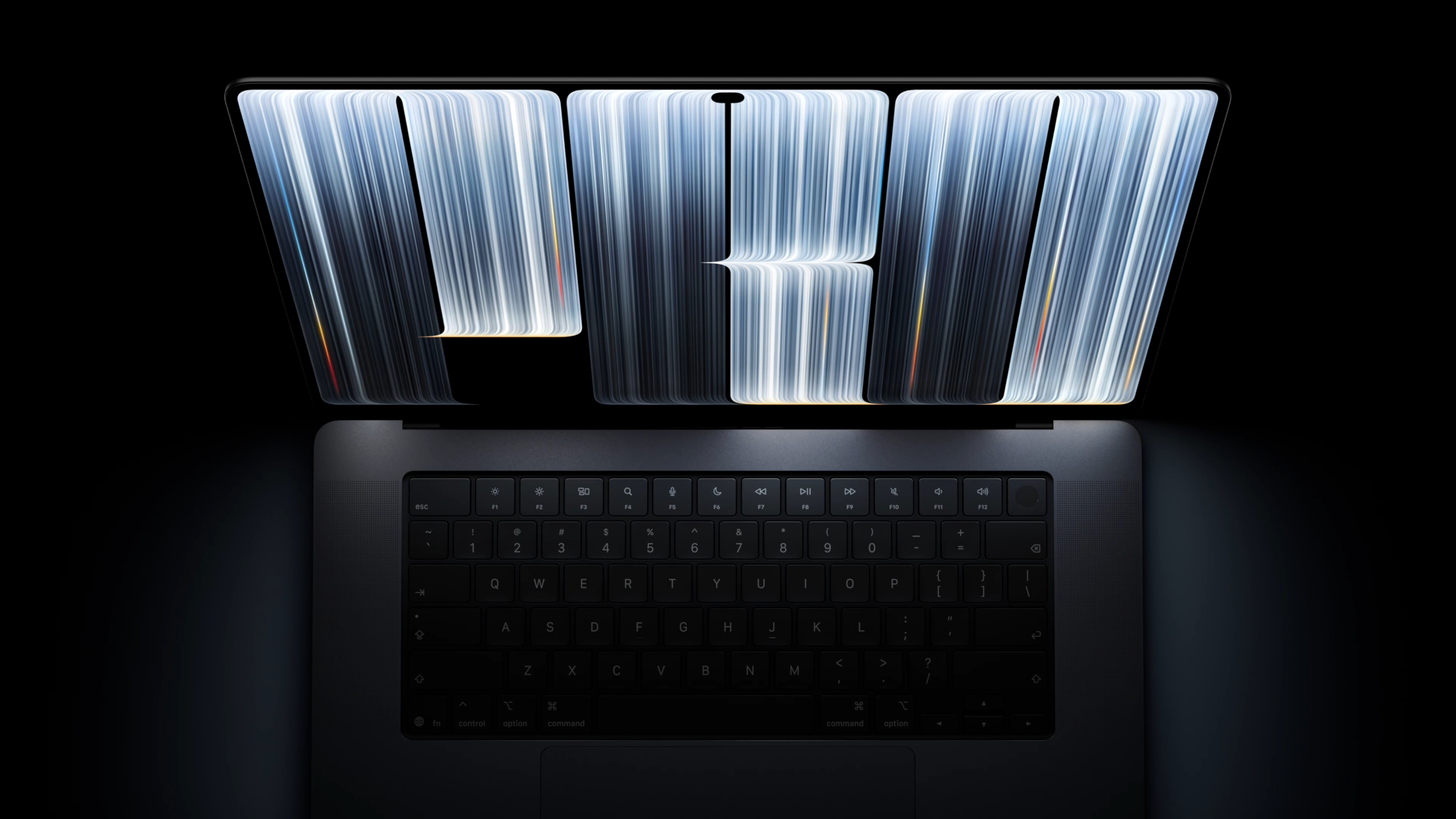
In addition to the display and silicon, Apple touched upon the sustainability aspects of the new machines during the event. The enclosures continue to use 100% recycled aluminum, and the internal components utilize recycled rare earth elements, aligning with the company’s broader "Apple 2030" goal of becoming carbon neutral across its entire footprint.
The Los Angeles event also served as a showcase for how these new laptops fit into Apple’s broader ecosystem. With features like Universal Control and Sidecar already allowing iPads and Macs to work together, the addition of touch to the Mac brings the two platforms into closer alignment than ever before. Developers who create apps for both iPadOS and macOS will now find it easier to maintain feature parity, as touch-based interactions can now be native to both versions of their software.
As the industry moves toward the November 6 ship date, the focus will likely shift to real-world performance benchmarks. While the M5 series chips are expected to provide a significant boost over the M3 and M4 generations, the true test will be how the OLED XDR display holds up under professional workloads and how the macOS ecosystem adapts to its new touch-enabled reality.
For many, the announcement represents the end of an era and the beginning of another. The Mac has long been defined by its precision and its distance from the "finger-painted" interface of mobile devices. By embracing touch, Apple is acknowledging that the modern professional wants flexibility. Whether it is a video editor quickly scrubbing through a timeline with a thumb or a designer tweaking a vector point with a finger, the new MacBook Pro is designed to be a more tactile, versatile tool than its predecessors.
With pre-orders now open, the tech world is watching to see if this new direction for the MacBook Pro will spark a new wave of upgrades or if the high entry price will keep it as a niche tool for the most elite tier of professionals. Regardless, the arrival of the first touchscreen Mac is a landmark moment that will be remembered as a turning point in the evolution of personal computing.
 Hardware Reviews & PC Building
Save up to $800 on Acer’s ultra-slim RTX 5070 Ti gaming laptop — pay $2225 for the 16GB RAM model or upgrade…
The headline of this promotion is a multi-tier discount structure that targets...
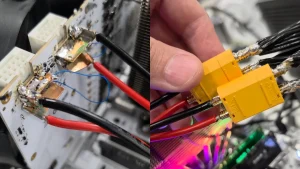 Hardware Reviews & PC Building
Custom Power Distribution Mod Surfaces to Tackle RTX 5090 Overheating Concerns
The launch of NVIDIA’s flagship GeForce RTX 5090 has been met with...
 Hardware Reviews & PC Building
Major System Outage Silences Japanese Arcades as Sega and Bandai Namco Networks Face Unprecedented Downtime
The neon-lit streets of Japanese entertainment districts, from the bustling alleys of...







