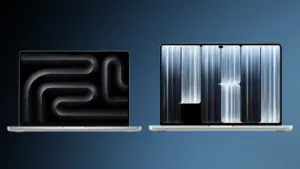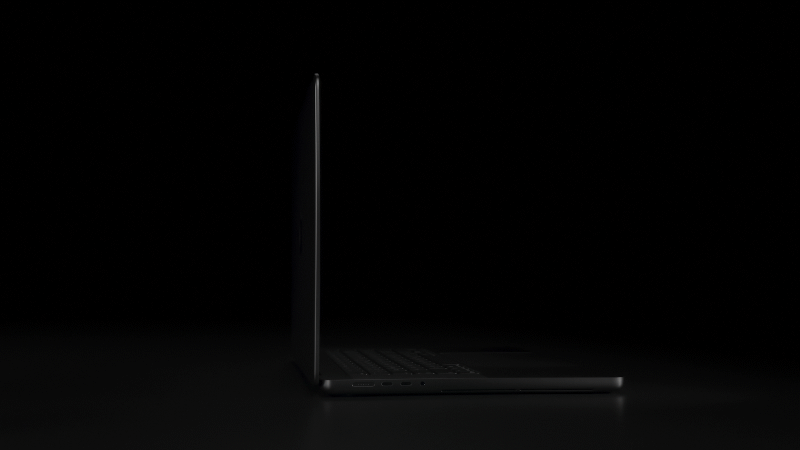
In a move that marks one of the most significant architectural and philosophical shifts in the history of the Macintosh, Apple has officially introduced its first-ever touchscreen laptops. At a high-profile hardware event held in Los Angeles, the company pulled back the curtain on a redesigned MacBook Pro lineup that finally integrates finger-input technology directly into the display. This development ends years of speculation and breaks a long-standing company tradition that had previously relegated touch interfaces exclusively to the iPhone and iPad ecosystems.
The new MacBook Pro models, available in 14-inch and 16-inch configurations, represent a dual-threat upgrade for Apple’s professional user base. Not only do these systems introduce the long-awaited touch functionality, but they also debut Apple’s transition to OLED XDR display technology for its flagship laptops. These machines are powered by the latest iterations of Apple’s proprietary silicon, featuring the M5 Pro and M5 Max chips, which promise to push the boundaries of mobile computing performance.
Apple announced that both the 14-inch and 16-inch MacBook Pro models are available for pre-order starting today, with units scheduled to begin shipping to customers and appearing in retail stores on November 6. The pricing reflects the high-end nature of the hardware and the professional demographic Apple is targeting. The 14-inch MacBook Pro starts at a premium entry point of $2,899, while the larger 16-inch model begins at $3,399. For power users requiring maximum specifications, the systems can be configured with up to a staggering 16TB of internal storage and 128GB of unified memory.
The introduction of a touchscreen Mac is a pivot that many industry analysts have anticipated for years, though Apple leadership had historically resisted the idea. For over a decade, the company maintained that a vertical screen was not the ideal ergonomic surface for touch interaction, with former executives famously citing "gorilla arm" fatigue as a reason to keep macOS and iPadOS input methods separate. However, as the line between tablet and laptop workflows has continued to blur for creative professionals, the demand for direct manipulation of on-screen elements—particularly in creative suites like Final Cut Pro and Logic Pro—has become impossible to ignore.
The centerpiece of these new machines is the OLED XDR display. This move from the previous mini-LED technology to organic light-emitting diodes allows for even deeper black levels, higher contrast ratios, and faster response times. By integrating the touch sensors directly into the OLED stack, Apple has managed to maintain a remarkably thin display profile, avoiding the bulk that often accompanies touchscreen integration in high-performance laptops. The "XDR" or Extreme Dynamic Range branding remains, ensuring that the panels meet the rigorous brightness and color accuracy standards required by professional colorists and photographers.
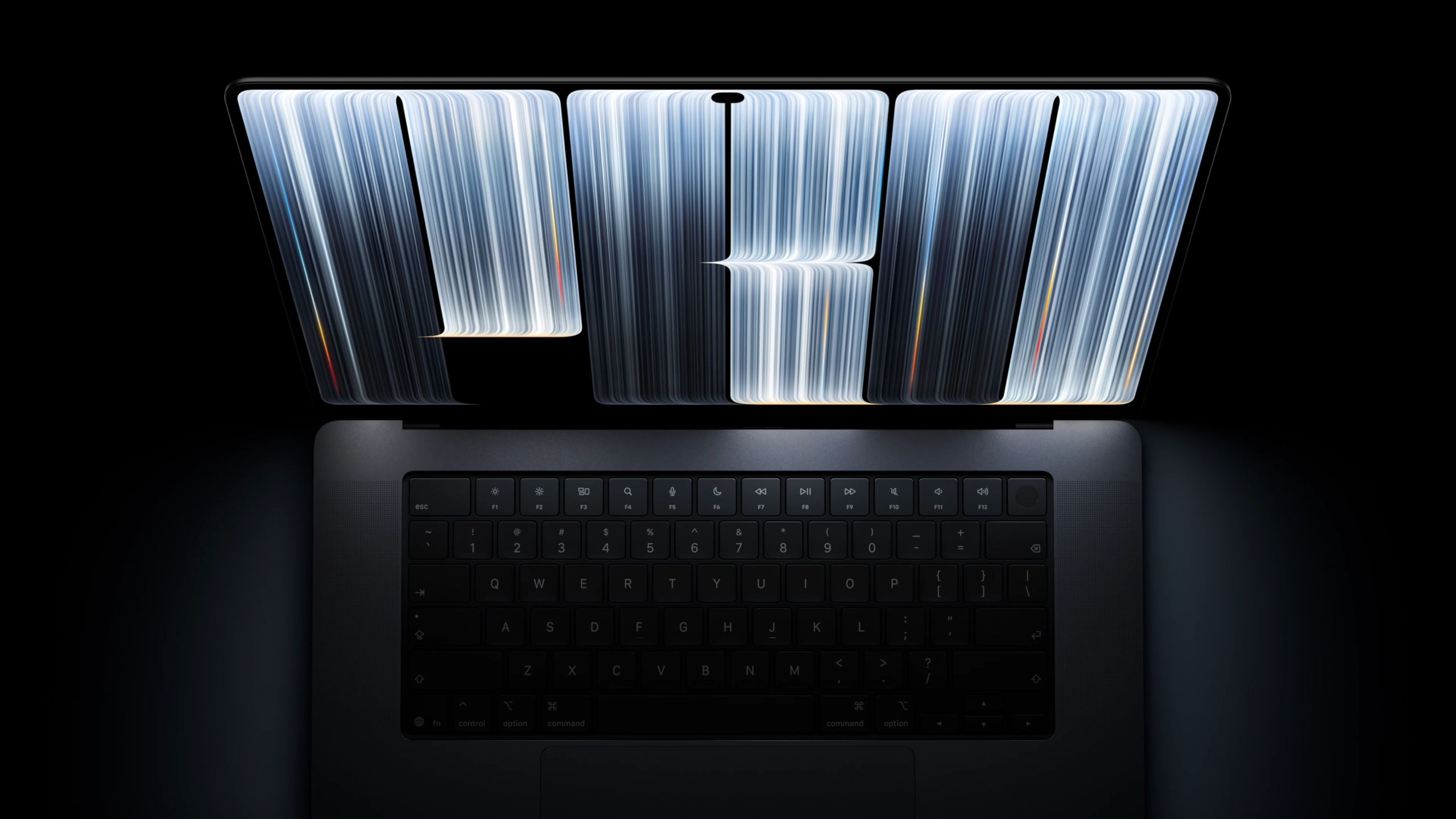
While the touch interface is the headline feature, the internal hardware is equally formidable. The M5 Pro and M5 Max chips represent the fifth generation of Apple’s move away from Intel, continuing a trajectory of efficiency and raw power. The M5 Max, in particular, is designed to handle the most demanding workflows, such as rendering complex 3D environments, compiling massive codebases, or processing multi-stream 8K video. The support for up to 128GB of memory ensures that these machines can handle high-end AI development and large-scale data science tasks that were previously the domain of desktop workstations.
 Hardware Reviews & PC Building
Nvidia’s Strategic "Design Intuition": Ian Finder Addresses Skepticism Over Vera CPU’s Agentic AI Roots
The landscape of high-performance computing and artificial intelligence is currently defined by...
 Hardware Reviews & PC Building
Mysterious AMD Zen 6 APU with 24GB of LPDDR5 memory appears in benchmarks — chip may be for next-gen Steam Deck or…
The listing reveals an engineering sample identified by the part number 100-000001930-12_Y....
 Hardware Reviews & PC Building
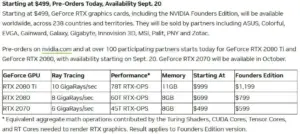
The PC gaming ray tracing obsession began with the first RTX 20 graphics cards released on this day in 2018 — the…
The debut of the GeForce 20 series was spearheaded by the release...