
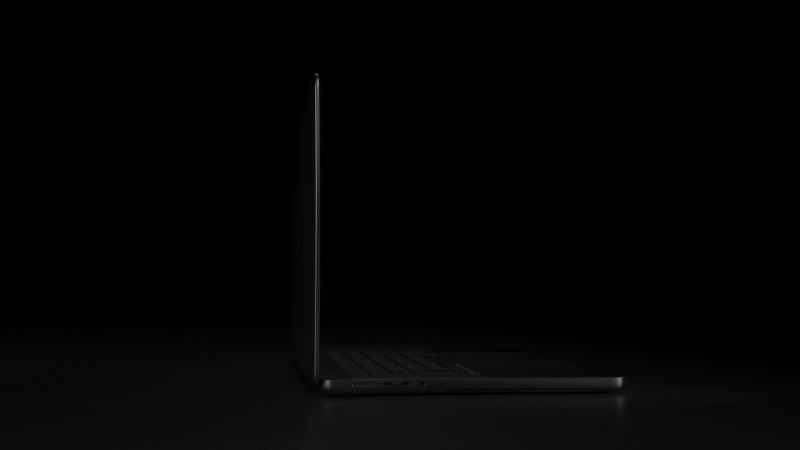
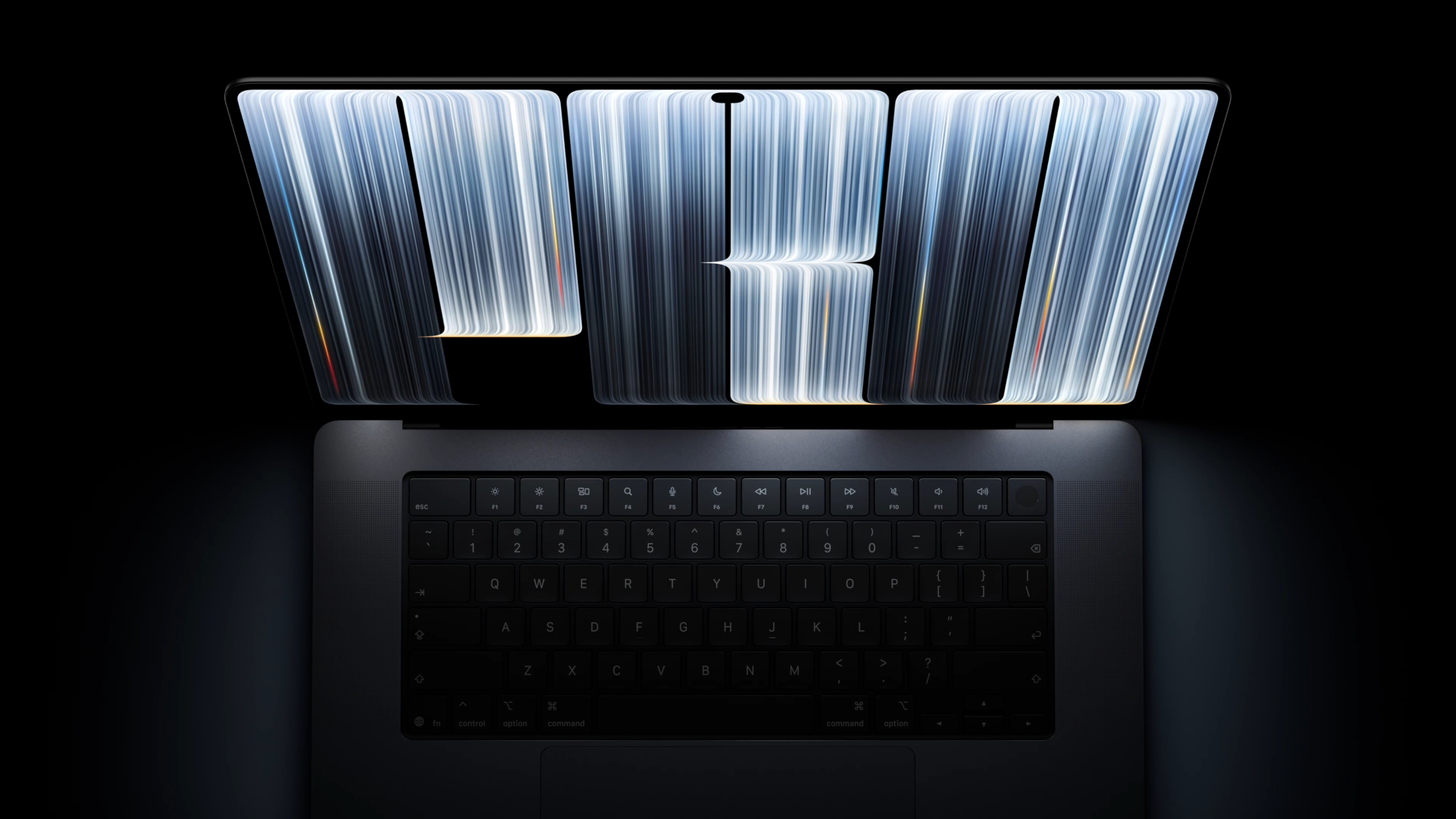
In addition to the display and silicon, Apple touched upon the sustainability aspects of the new machines during the event. The enclosures continue to use 100% recycled aluminum, and the internal components utilize recycled rare earth elements, aligning with the company’s broader "Apple 2030" goal of becoming carbon neutral across its entire footprint.
The Los Angeles event also served as a showcase for how these new laptops fit into Apple’s broader ecosystem. With features like Universal Control and Sidecar already allowing iPads and Macs to work together, the addition of touch to the Mac brings the two platforms into closer alignment than ever before. Developers who create apps for both iPadOS and macOS will now find it easier to maintain feature parity, as touch-based interactions can now be native to both versions of their software.
As the industry moves toward the November 6 ship date, the focus will likely shift to real-world performance benchmarks. While the M5 series chips are expected to provide a significant boost over the M3 and M4 generations, the true test will be how the OLED XDR display holds up under professional workloads and how the macOS ecosystem adapts to its new touch-enabled reality.
For many, the announcement represents the end of an era and the beginning of another. The Mac has long been defined by its precision and its distance from the "finger-painted" interface of mobile devices. By embracing touch, Apple is acknowledging that the modern professional wants flexibility. Whether it is a video editor quickly scrubbing through a timeline with a thumb or a designer tweaking a vector point with a finger, the new MacBook Pro is designed to be a more tactile, versatile tool than its predecessors.
With pre-orders now open, the tech world is watching to see if this new direction for the MacBook Pro will spark a new wave of upgrades or if the high entry price will keep it as a niche tool for the most elite tier of professionals. Regardless, the arrival of the first touchscreen Mac is a landmark moment that will be remembered as a turning point in the evolution of personal computing.
 Hardware Reviews & PC Building
Intel Confirms Nova Lake Desktop Processors Will Feature Enhanced 18A-P Node with CES Reveal Scheduled
In a significant update to its long-term product roadmap, Intel has officially...
 Hardware Reviews & PC Building
Thieves Targeting High-Value AI Hardware Left with Tons of Sand After Hijacking Nvidia-Branded Trailers
In an era where artificial intelligence has become the primary driver of...
 Hardware Reviews & PC Building
Intel Shifts Strategic Focus to Trust Domain Extensions as Software Guard Extensions Era Nears its Conclusion
In a significant realignment of its long-term data center security roadmap, Intel...







