
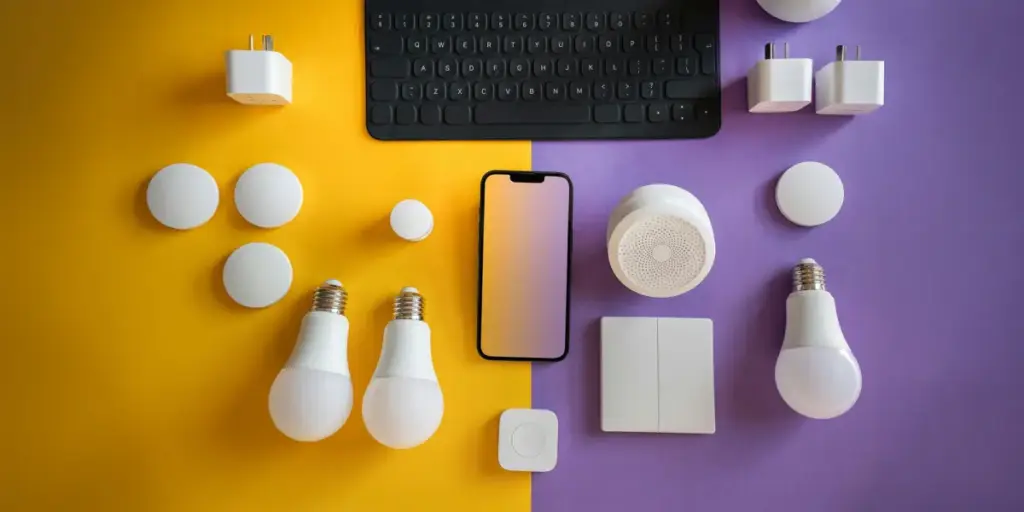
The smart home landscape is currently standing at a significant crossroads, positioned between the incremental refinements of the past year and a looming revolution in artificial intelligence. While much of the industry’s attention is fixed on the upcoming release of iOS 27—which promises a foundational reconstruction of Siri and a flurry of new first-party hardware—Apple has not been idle during the current software cycle. Throughout the iOS 26 era, the company has quietly introduced several sophisticated features that address long-standing pain points in the smart home experience, ranging from climate automation to the friction of device setup.
As Apple prepares to launch a substantial wave of new Home-focused products later this year, it is clear that the groundwork laid during the iOS 26 cycle was designed to make the ecosystem more proactive and less reliant on manual user input. These updates represent a shift in philosophy: moving away from a "remote control" model of a smart home toward a truly "autonomous" environment.
The Rise of Proactive Climate Control: Adaptive Temperature
One of the most significant, yet understated, additions to the Apple Home app during the iOS 26 cycle is the Adaptive Temperature feature. While smart thermostats have existed for over a decade, many have relied on rigid scheduling or basic geofencing that often failed to account for the nuances of daily life. Apple’s new implementation seeks to solve this by leveraging on-device intelligence to create a more responsive heating and cooling system.
The core functionality of Adaptive Temperature is rooted in predictability and energy efficiency. By utilizing the processing power of a user’s iPhone, the Home app can now predict when a resident is likely to return home. Rather than waiting for a user to cross a specific geographic boundary—which can sometimes result in a home that is still too cold or too hot upon arrival—the system calculates the necessary lead time to reach the desired temperature exactly when the door opens.
Furthermore, the feature integrates deeply with the broader Apple ecosystem, specifically the Sleep Schedule defined in the Health app. By aligning the home’s climate with a user’s circadian rhythm, the system can automatically lower temperatures for optimal sleep quality and begin warming the space just before the morning alarm sounds. When the home is empty for extended periods, the system shifts into a high-efficiency mode to reduce carbon footprints and utility costs.
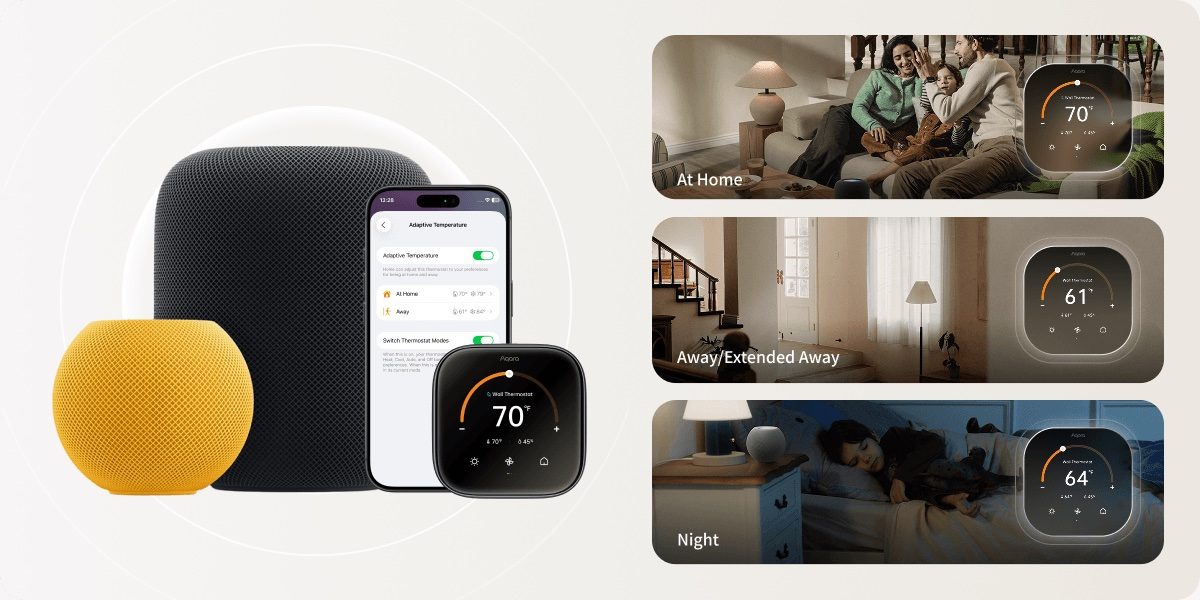
While the software framework for Adaptive Temperature debuted with the initial release of iOS 26.0, the hardware industry has only recently begun to catch up. The Aqara Smart Thermostat W200 stands as the first device to fully support this native Apple feature. Beyond its compatibility with Apple’s intelligence, the W200 serves as a sophisticated infrastructure piece in its own right. It functions as a Matter 1.4 hub, incorporating Thread and Zigbee protocols, and features a four-inch touchscreen that can display live video feeds from compatible doorbells, illustrating the increasing convergence of different smart home categories into single, multifunctional devices.
A New Standard for Security: Ultra Wideband and Home Key
Security has always been the primary driver for smart home adoption, and the iOS 26 cycle has seen a major leap forward in how users interact with their front doors. For several years, Apple Home Key has allowed users to unlock their homes by tapping their iPhone or Apple Watch against a compatible lock, utilizing the same Near Field Communication (NFC) technology that powers Apple Pay. However, the introduction of Ultra Wideband (UWB) support represents a paradigm shift in convenience and reliability.
The recent arrival of the Aqara Smart Lock U400 marks a milestone as the first smart lock to combine Apple Home Key with UWB technology. While NFC requires a physical "tap," UWB allows for a completely hands-free experience. Because UWB is capable of precise spatial awareness—the same technology that allows an iPhone to pinpoint the location of an AirTag—the lock can detect exactly when a user is approaching the door from the outside.
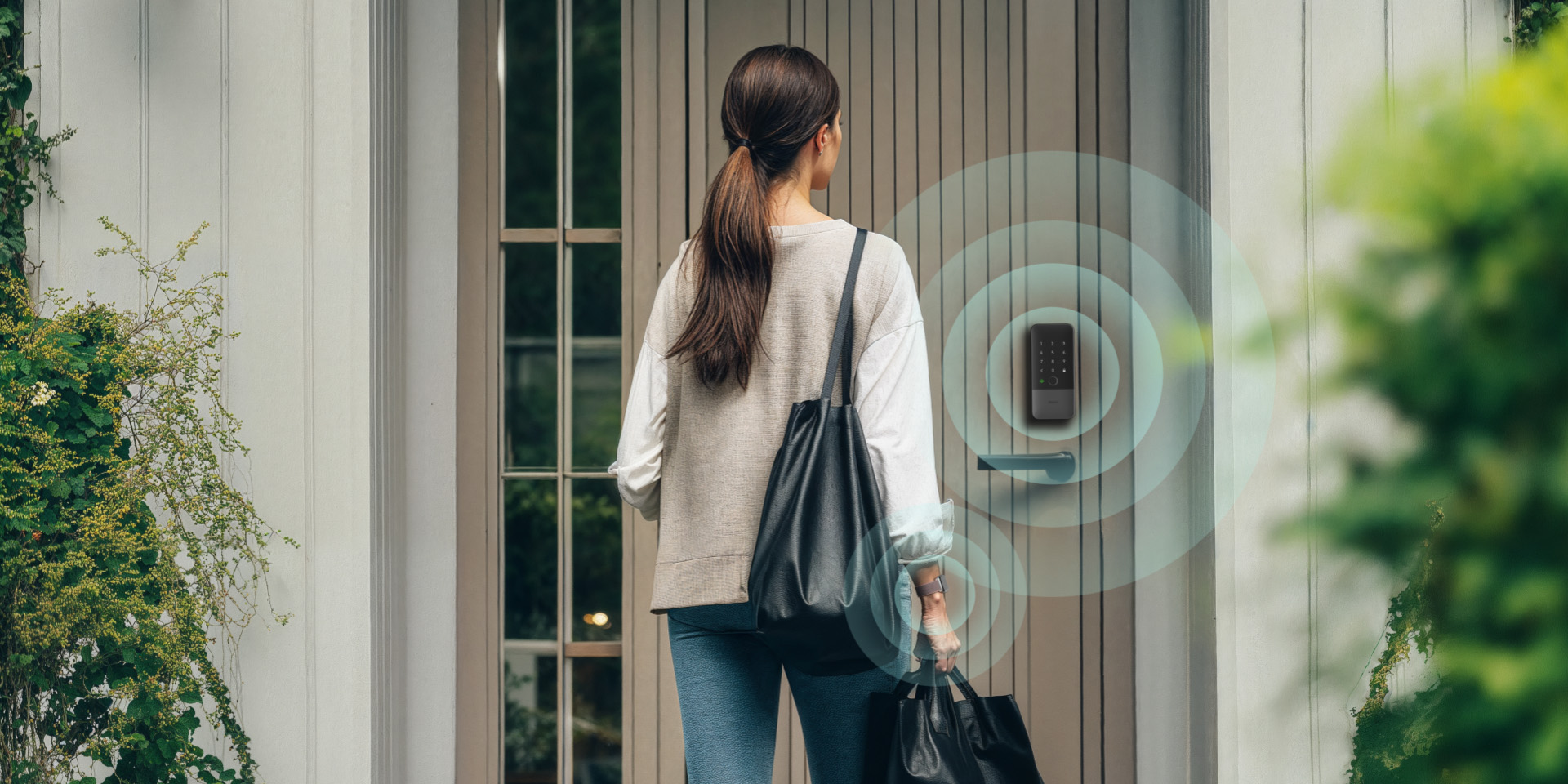
This precision is critical for security. Unlike older Bluetooth-based "auto-unlock" features, which could occasionally trigger while a user was simply moving around inside their house near the front door, UWB is directional and distance-aware. It ensures the door only unlocks when the user is specifically intending to enter. For the user, this means the end of fumbling for keys or even reaching for a phone while carrying groceries; the door simply secures and unsecures itself based on presence alone.
This integration highlights Apple’s strategy of utilizing its proprietary silicon and hardware sensors to create a "walled garden" experience that offers tangible benefits over more generic smart home standards. By requiring an Apple home hub (such as an Apple TV or HomePod) to manage these high-precision interactions, Apple ensures that the privacy and processing of entry data remain local and encrypted.
Solving the "Setup Fatigue" Problem: Multipack Pairing
As the smart home market matures, users are increasingly moving away from buying single "test" devices and are instead investing in whole-room or whole-home solutions. This shift has historically led to a significant point of friction: the setup process. Traditionally, adding six smart light bulbs or four smart plugs meant scanning six or four individual QR codes and walking through the same configuration steps repeatedly.
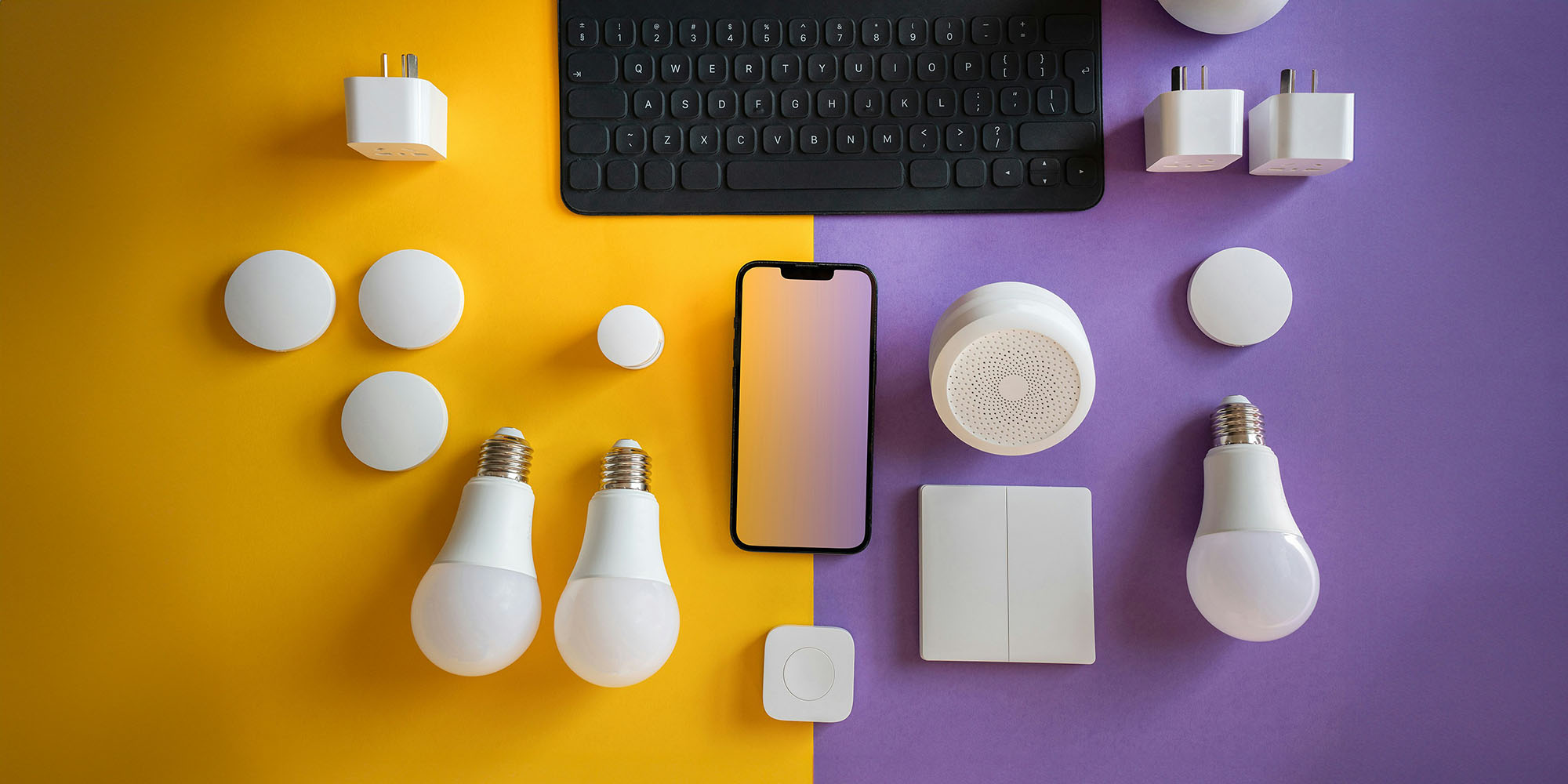
In the iOS 26.2 update, Apple introduced a streamlined solution known as multipack accessory pairing. This feature allows manufacturers to sell bundles of devices that share a single setup identity. When a user purchases a multipack of sensors, bulbs, or plugs, they only need to scan a single setup code to enroll the entire group into the Home app.
This update is a direct response to "setup fatigue," a phenomenon that often prevents less tech-savvy users from expanding their smart home systems. By reducing the time and effort required to get a system up and running, Apple is lowering the barrier to entry for complex home automations. It is a "quality of life" improvement that signals Apple’s awareness of the practical, everyday frustrations of its user base. For those who move frequently or frequently update their hardware, the ability to bulk-add accessories is a significant improvement to the long-term viability of the platform.
Looking Toward the Future: The iOS 27 Overhaul
While the advancements in iOS 26 have refined the current experience, they are widely viewed as the prologue to a much larger story. Rumors and industry expectations point toward iOS 27 as the most transformative update for the Home app since its inception. The centerpiece of this update is expected to be a total overhaul of Siri, powered by "Apple Intelligence."

The current version of Siri in the home is often criticized for its limited understanding of context and its reliance on specific, rigid verbal commands. The next generation of Siri is expected to utilize large language models (LLMs) to understand more natural, conversational requests. Instead of saying "Siri, set the living room lights to 20% and close the shades," a user might eventually be able to say, "Siri, make it look like I’m watching a movie," and the system will intelligently coordinate multiple devices based on past behavior and logical context.
Furthermore, reports suggest that Apple is preparing to enter the smart display market more aggressively, potentially launching dedicated home controllers that act as a central "command center" for the household. These devices would likely leverage the features perfected during the iOS 26 cycle—such as the UWB presence detection and Adaptive Temperature controls—to provide a visual and haptic interface for the entire family.
As the iOS 26 cycle nears its conclusion, the state of the Apple Home ecosystem is stronger than ever. The integration of Matter 1.4, the pioneering use of UWB in door locks, and the refinement of intelligent climate control have turned the Home app into a more mature, reliable, and "invisible" assistant. For users who have invested in the Apple ecosystem, these updates offer a glimpse into a future where the smart home does not just wait for commands but actively anticipates the needs of its inhabitants. The focus now shifts to the later half of the year, when the combination of new hardware and a smarter Siri will likely redefine what it means to live in an Apple-powered home.
 Smart Home & IoT Solutions
Apple Signals Major Smart Home Pivot with Rumored 2027 Security Service and AI-Driven Hardware
For years, Apple’s presence in the smart home market has been characterized...
 Smart Home & IoT Solutions
Apple Intelligence in the Home: New AI Security Features Require Top-Tier iCloud+ Subscription
As the development cycle for Apple’s upcoming software ecosystem continues, the release...
 Smart Home & IoT Solutions
Apple Partners with LG for Strategic Smart Home Expansion Featuring New Cameras and Sensors
In a significant move to revitalize its presence in the domestic technology...







