
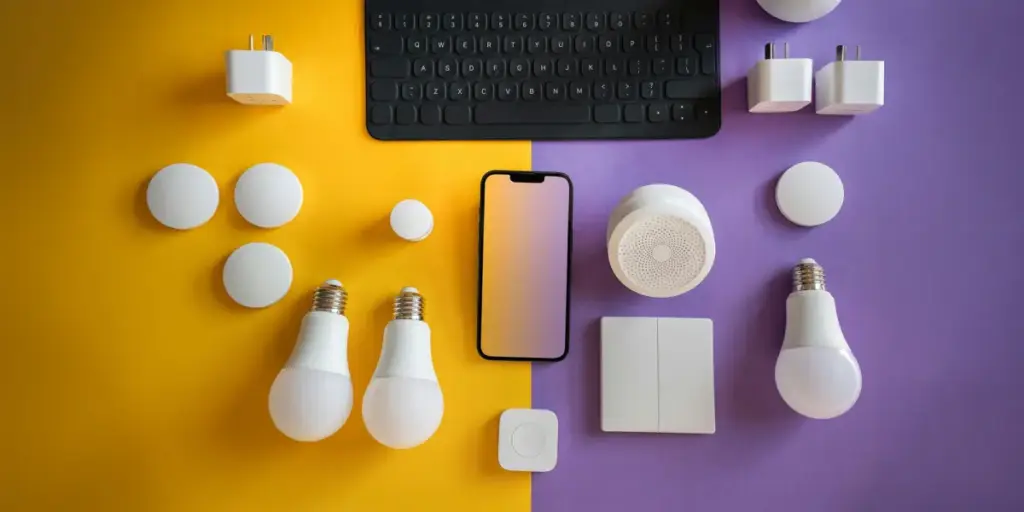
This update is a direct response to "setup fatigue," a phenomenon that often prevents less tech-savvy users from expanding their smart home systems. By reducing the time and effort required to get a system up and running, Apple is lowering the barrier to entry for complex home automations. It is a "quality of life" improvement that signals Apple’s awareness of the practical, everyday frustrations of its user base. For those who move frequently or frequently update their hardware, the ability to bulk-add accessories is a significant improvement to the long-term viability of the platform.
Looking Toward the Future: The iOS 27 Overhaul
While the advancements in iOS 26 have refined the current experience, they are widely viewed as the prologue to a much larger story. Rumors and industry expectations point toward iOS 27 as the most transformative update for the Home app since its inception. The centerpiece of this update is expected to be a total overhaul of Siri, powered by "Apple Intelligence."

The current version of Siri in the home is often criticized for its limited understanding of context and its reliance on specific, rigid verbal commands. The next generation of Siri is expected to utilize large language models (LLMs) to understand more natural, conversational requests. Instead of saying "Siri, set the living room lights to 20% and close the shades," a user might eventually be able to say, "Siri, make it look like I’m watching a movie," and the system will intelligently coordinate multiple devices based on past behavior and logical context.
Furthermore, reports suggest that Apple is preparing to enter the smart display market more aggressively, potentially launching dedicated home controllers that act as a central "command center" for the household. These devices would likely leverage the features perfected during the iOS 26 cycle—such as the UWB presence detection and Adaptive Temperature controls—to provide a visual and haptic interface for the entire family.
As the iOS 26 cycle nears its conclusion, the state of the Apple Home ecosystem is stronger than ever. The integration of Matter 1.4, the pioneering use of UWB in door locks, and the refinement of intelligent climate control have turned the Home app into a more mature, reliable, and "invisible" assistant. For users who have invested in the Apple ecosystem, these updates offer a glimpse into a future where the smart home does not just wait for commands but actively anticipates the needs of its inhabitants. The focus now shifts to the later half of the year, when the combination of new hardware and a smarter Siri will likely redefine what it means to live in an Apple-powered home.
 Smart Home & IoT Solutions
Apple’s Smart Home Ambitions Expand with LG Partnership and Exclusive ‘Proximity Control’ Features
As the technology industry looks toward Apple’s upcoming "Welcome Home" special event...
 Smart Home & IoT Solutions
Apple Poised for Major Smart Home Overhaul as Apple Intelligence Breaks Siri Development Bottleneck
For several years, Apple’s presence in the smart home market has felt...
 Smart Home & IoT Solutions
Apple Poised to Enter Smart Home Display Market with Design Inspired by Iconic iMac G4
In a move that signals a significant shift in its hardware strategy,...







