
In the early days of the smart home revolution, early adopters were promised a future of unprecedented convenience, efficiency, and longevity. The transition from "dumb" analog devices to "smart" connected ones was framed not just as a functional upgrade, but as a long-term investment in the infrastructure of the modern household. However, as the ecosystem matures, a sobering reality is beginning to set in: the sophisticated technology we rely on to automate our lives often has a much shorter lifespan than the simple hardware it replaced.
While a traditional light switch or a basic mercury thermostat might remain functional for decades, their smart counterparts are subject to a complex array of failure points, ranging from mechanical wear and chemical degradation to the shifting whims of corporate cloud strategies. For many homeowners, the realization that their expensive automated grid is on a ticking clock is a difficult pill to swallow. As we look toward the landscape of 2026, it has become increasingly clear that five specific categories of smart home devices are destined for the landfill much sooner than many consumers are comfortable admitting.
The Fragile Brilliance of LED Smart Bulbs
Perhaps the most common entry point into home automation is the smart bulb. On the surface, the value proposition is high: millions of colors, automated scheduling, and the energy efficiency of LED technology. However, the premium price tag of a smart bulb—often five to ten times that of a standard LED—creates a false sense of durability.
The primary issue with smart bulbs is not necessarily the LEDs themselves, which are theoretically rated for tens of thousands of hours, but the cramped electronics required to make them "smart." Every smart bulb contains a miniature computer, a wireless radio (Zigbee, Thread, or Wi-Fi), and a power controller, all stuffed into the base of the bulb. This environment is a recipe for thermal stress. Heat is the natural enemy of electronics, and because light bulbs are designed to be compact, they often lack the necessary surface area to dissipate the heat generated by both the light-emitting diodes and the internal circuitry.
As these components bake over months and years of use, failure becomes inevitable. Interestingly, these failures often manifest in subtle, irritating ways rather than a total blackout. Users frequently report individual color channels failing—where a bulb can no longer produce a warm white but flickers erratically when set to blue or red. This "horror movie" flickering is often the result of a failing capacitor or a degraded solder joint within the bulb’s internal driver. For the environmentally conscious consumer, the premature failure of a smart bulb is particularly frustrating, as it forces the disposal of a complex circuit board and heavy-duty plastics far earlier than the LED’s theoretical lifespan would suggest.
The Mechanical Limits of Smart Plugs and Relays
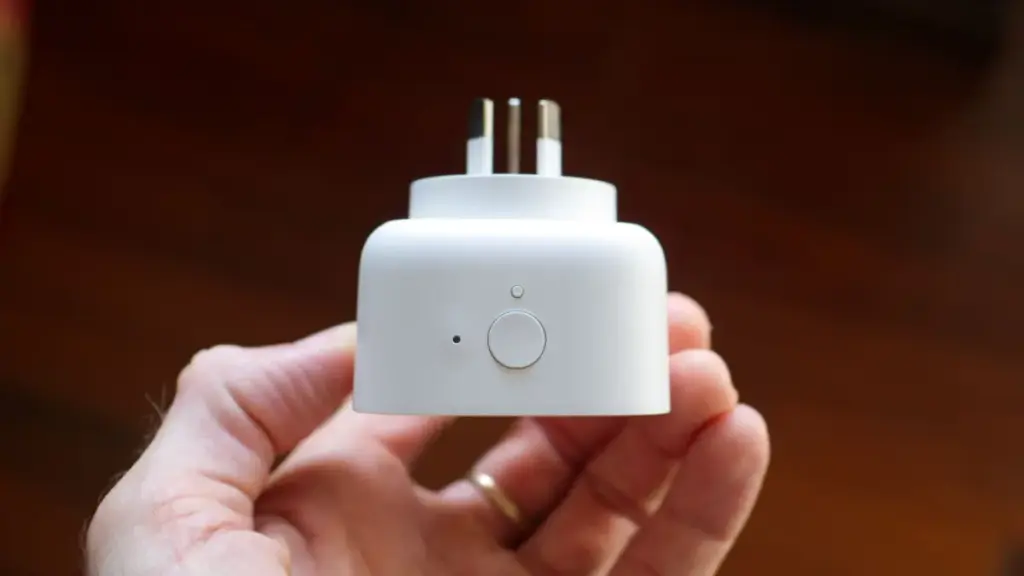
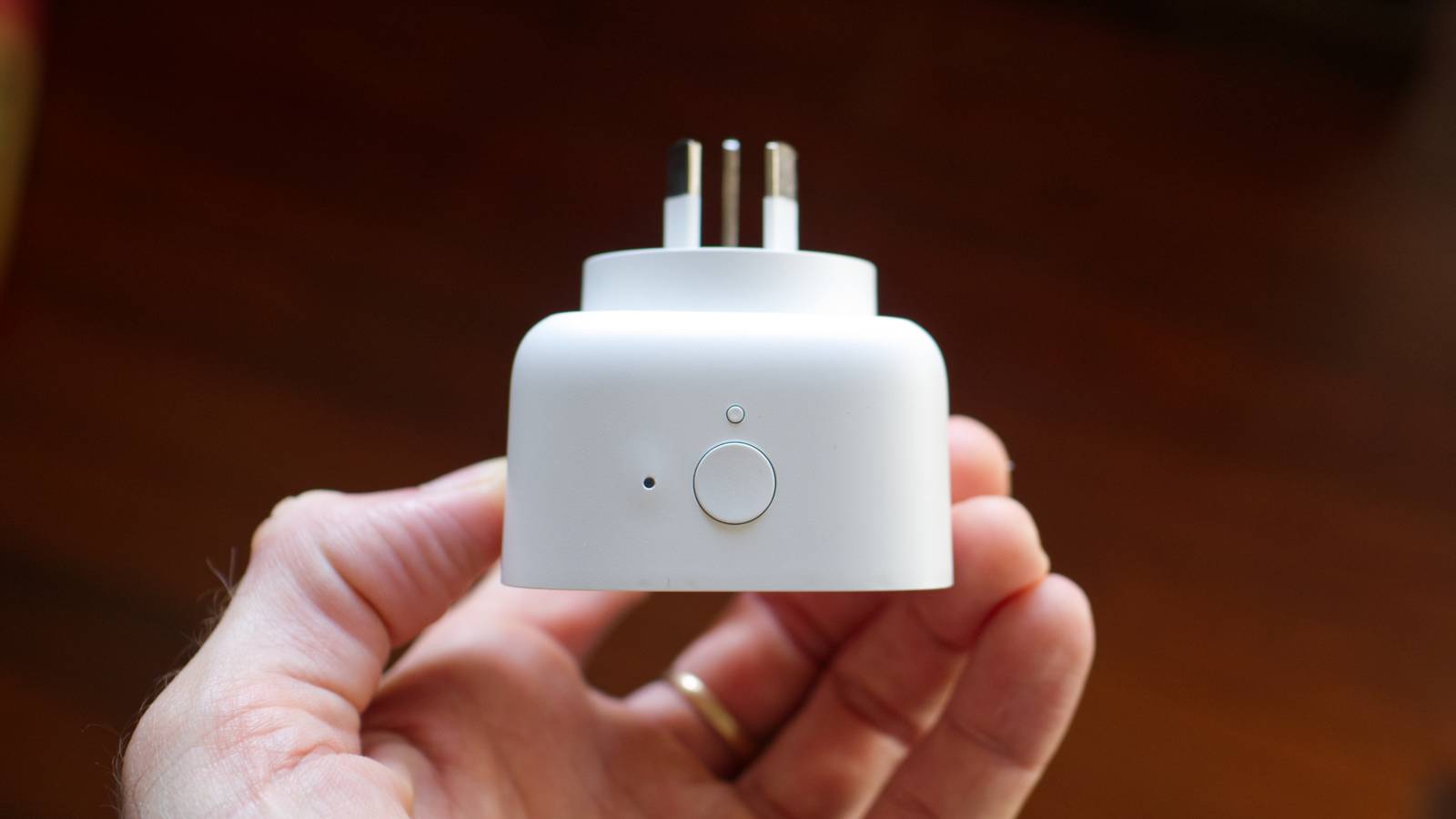
Smart plugs are often heralded as the workhorses of the connected home, capable of turning "dumb" appliances into automated ones. They operate using a relatively simple mechanism: an electromechanical relay. When you tap a button on your phone or trigger an automation, you hear a distinct "click" inside the plug. That sound is a physical arm moving to complete or break an electrical circuit.
The fundamental problem is that any mechanical movement involves wear. Relays are rated for a specific number of cycles, and while high-quality components might last for years of standard use, they are far from immortal. The lifespan of a smart plug is directly tied to the quality of its internal relay and the electrical load it manages.
 Tech Tutorials & How-To Guides
Best Buy Slashes Price of LG 77-Inch B5 Series OLED TV by Fifty Percent in Early Holiday Sales Push
As the calendar turns and the final quarter of the year approaches,...
 Tech Tutorials & How-To Guides
Low-Cost Innovation: How DIY ESP32 Projects are Transforming Smart Home Economics and Sustainability
The landscape of home automation has undergone a radical shift over the...
 Tech Tutorials & How-To Guides
Beyond the Slicer: Why MeshLab Remains the Essential Tool for Repairing Corrupt 3D Models
The world of 3D printing has evolved from a niche hobby for...







