
In the early days of the smart home revolution, early adopters were promised a future of unprecedented convenience, efficiency, and longevity. The transition from "dumb" analog devices to "smart" connected ones was framed not just as a functional upgrade, but as a long-term investment in the infrastructure of the modern household. However, as the ecosystem matures, a sobering reality is beginning to set in: the sophisticated technology we rely on to automate our lives often has a much shorter lifespan than the simple hardware it replaced.
While a traditional light switch or a basic mercury thermostat might remain functional for decades, their smart counterparts are subject to a complex array of failure points, ranging from mechanical wear and chemical degradation to the shifting whims of corporate cloud strategies. For many homeowners, the realization that their expensive automated grid is on a ticking clock is a difficult pill to swallow. As we look toward the landscape of 2026, it has become increasingly clear that five specific categories of smart home devices are destined for the landfill much sooner than many consumers are comfortable admitting.
The Fragile Brilliance of LED Smart Bulbs
Perhaps the most common entry point into home automation is the smart bulb. On the surface, the value proposition is high: millions of colors, automated scheduling, and the energy efficiency of LED technology. However, the premium price tag of a smart bulb—often five to ten times that of a standard LED—creates a false sense of durability.
The primary issue with smart bulbs is not necessarily the LEDs themselves, which are theoretically rated for tens of thousands of hours, but the cramped electronics required to make them "smart." Every smart bulb contains a miniature computer, a wireless radio (Zigbee, Thread, or Wi-Fi), and a power controller, all stuffed into the base of the bulb. This environment is a recipe for thermal stress. Heat is the natural enemy of electronics, and because light bulbs are designed to be compact, they often lack the necessary surface area to dissipate the heat generated by both the light-emitting diodes and the internal circuitry.
As these components bake over months and years of use, failure becomes inevitable. Interestingly, these failures often manifest in subtle, irritating ways rather than a total blackout. Users frequently report individual color channels failing—where a bulb can no longer produce a warm white but flickers erratically when set to blue or red. This "horror movie" flickering is often the result of a failing capacitor or a degraded solder joint within the bulb’s internal driver. For the environmentally conscious consumer, the premature failure of a smart bulb is particularly frustrating, as it forces the disposal of a complex circuit board and heavy-duty plastics far earlier than the LED’s theoretical lifespan would suggest.
The Mechanical Limits of Smart Plugs and Relays
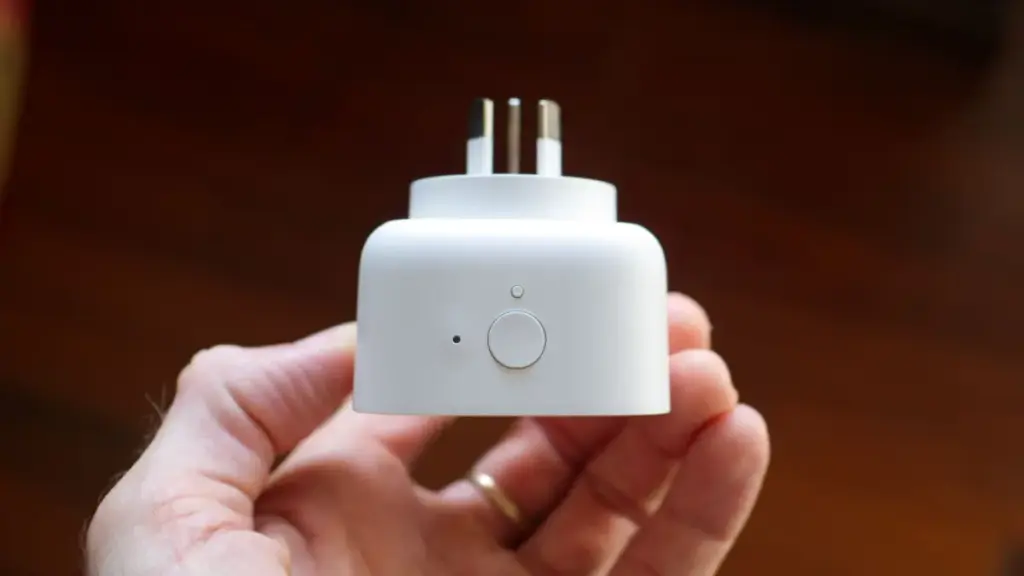
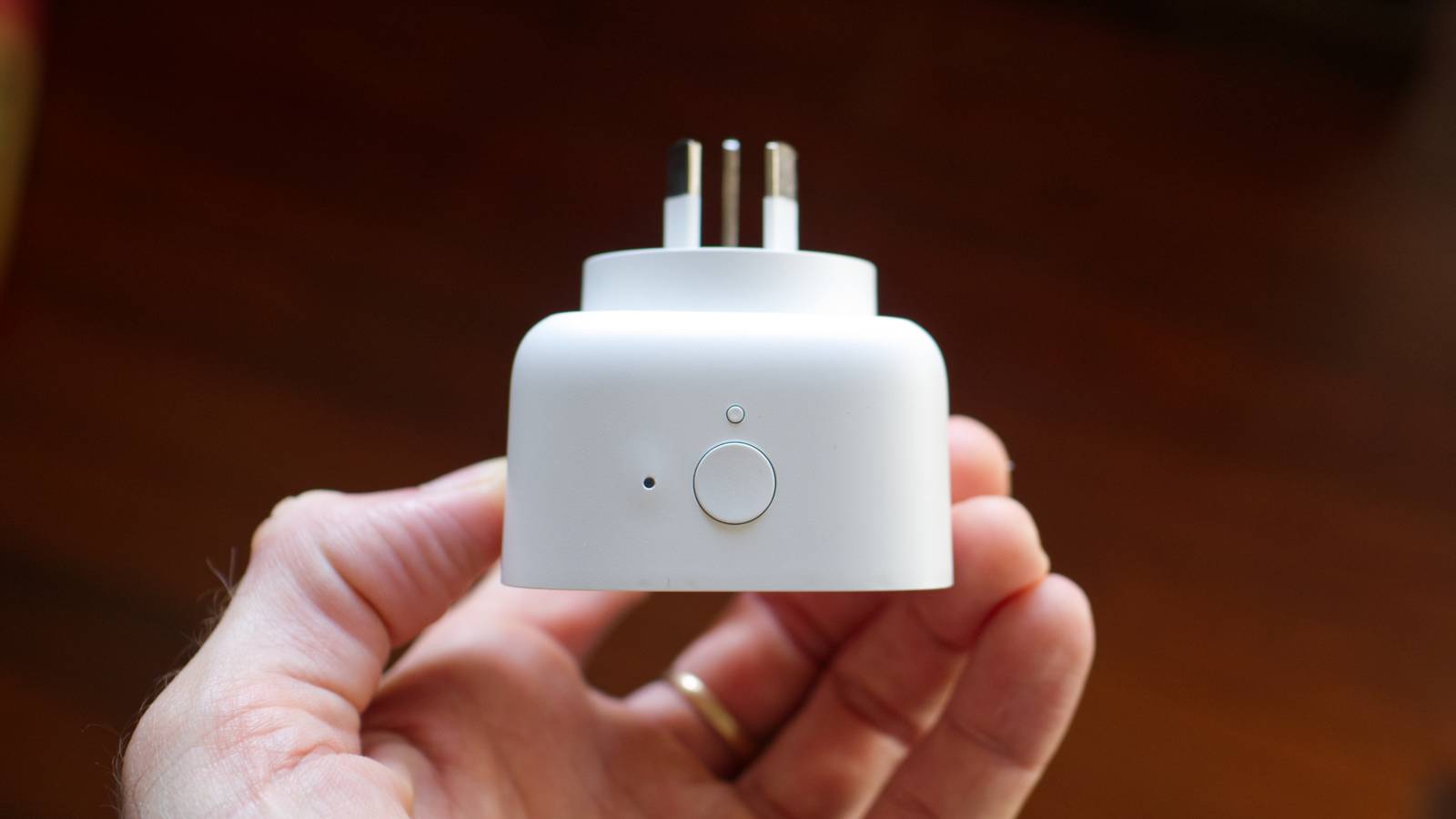
Smart plugs are often heralded as the workhorses of the connected home, capable of turning "dumb" appliances into automated ones. They operate using a relatively simple mechanism: an electromechanical relay. When you tap a button on your phone or trigger an automation, you hear a distinct "click" inside the plug. That sound is a physical arm moving to complete or break an electrical circuit.
The fundamental problem is that any mechanical movement involves wear. Relays are rated for a specific number of cycles, and while high-quality components might last for years of standard use, they are far from immortal. The lifespan of a smart plug is directly tied to the quality of its internal relay and the electrical load it manages.

Heat plays a significant role here as well. Using a smart plug to manage high-wattage devices, such as space heaters or large air conditioning units, subjects the internal contacts to significant electrical stress and heat. Over time, this can lead to "pitting" or even the welding of the contacts, where the relay becomes stuck in either the ‘on’ or ‘off’ position. While a standard wall outlet is a passive piece of hardware that can last forty years, a smart plug is an active device with a finite mechanical life. Cheaper, off-brand plugs often use lower-grade relays that may fail within just a year or two of heavy use, making them one of the most frequently replaced items in a smart home setup.
The Vulnerability of the Smart Home "Brain"
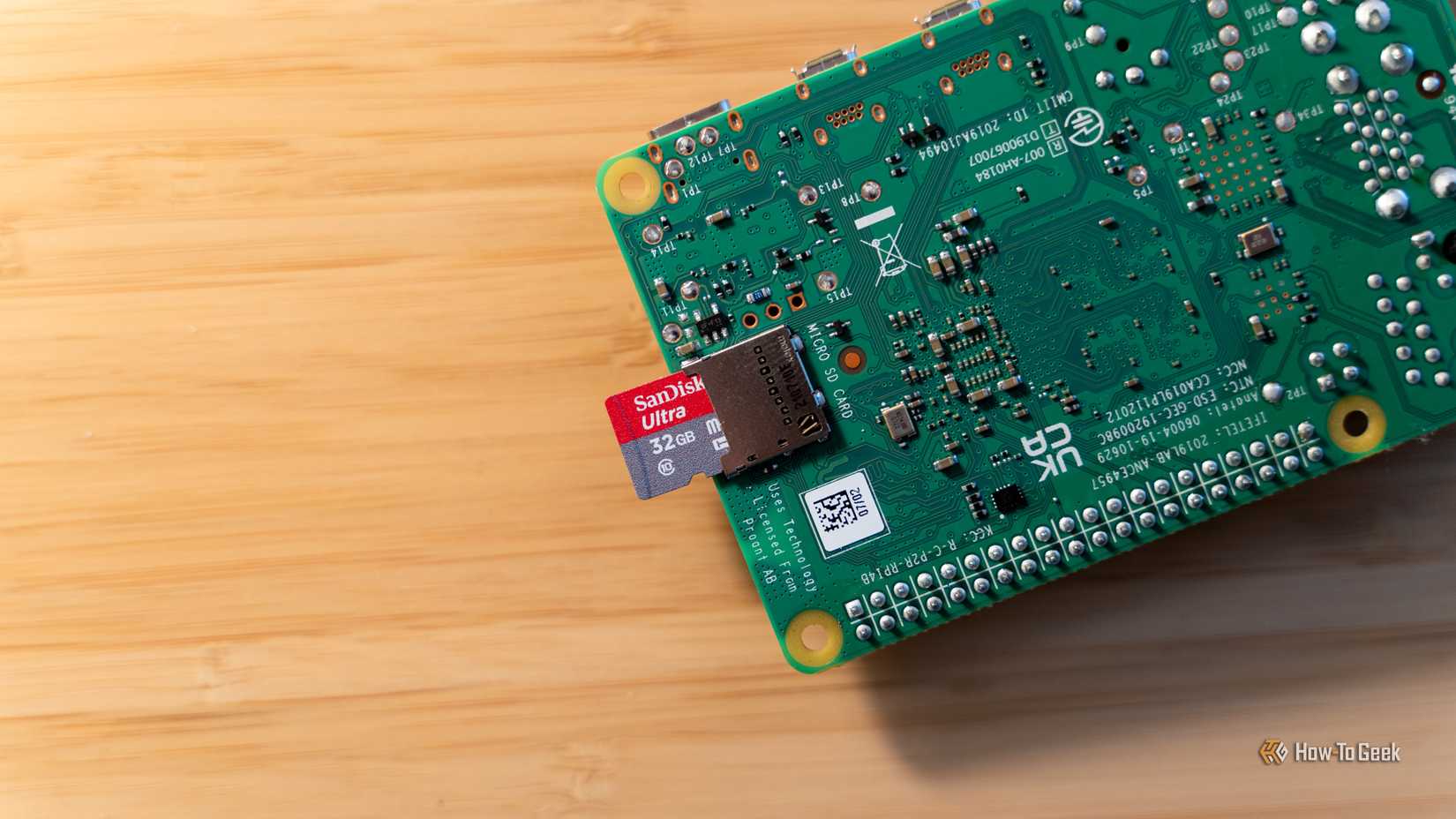
For many enthusiasts, the Raspberry Pi has served as the ideal platform for running Home Assistant, the gold standard for local smart home control. It is affordable, power-efficient, and easy to set up. However, the very thing that makes it accessible—the use of a microSD card for the operating system and data storage—is also its greatest weakness.
MicroSD cards were originally designed for the "bursty" write patterns of digital cameras and smartphones, not the constant, high-frequency logging required by a smart home server. A platform like Home Assistant is constantly writing to its database—tracking temperature changes, motion events, and system logs every few seconds. This constant stream of data eventually exhausts the "write endurance" of the flash memory cells on the card.
When a microSD card fails in a smart home server, the results are often catastrophic, leading to a total system crash and potential data loss. While recent software optimizations in late 2025 have attempted to minimize these write operations to extend card life, the consensus among experts remains clear: if your smart home is running on a microSD card, it is a matter of when, not if, it will fail. The industry is seeing a massive shift toward solid-state drives (SSDs) and mini PCs with NVMe storage as more reliable alternatives, but for those still relying on the humble SD card, a robust backup and migration strategy is the only defense against an inevitable hardware expiration.
The Silent Drift of Environmental Sensors
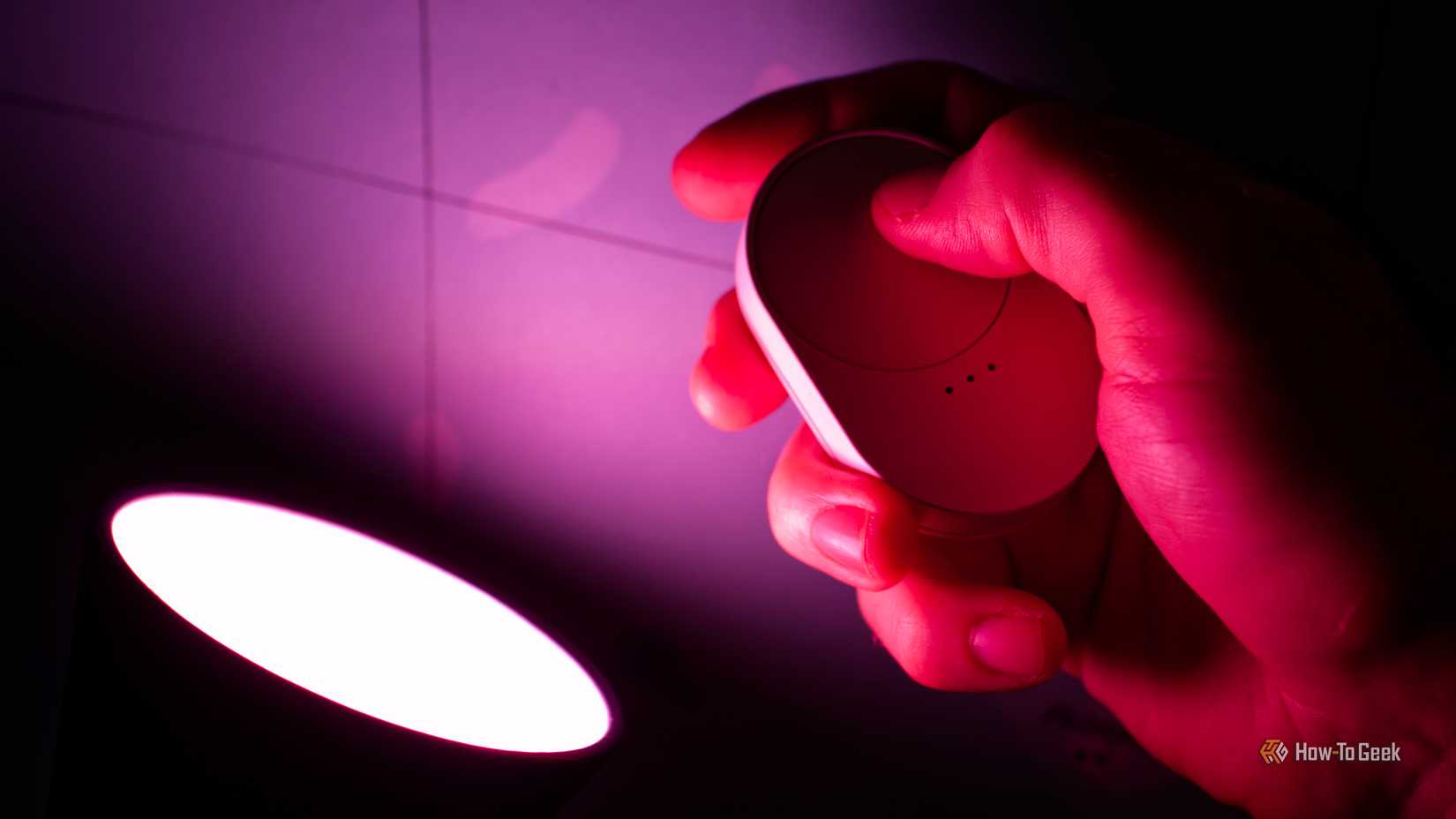
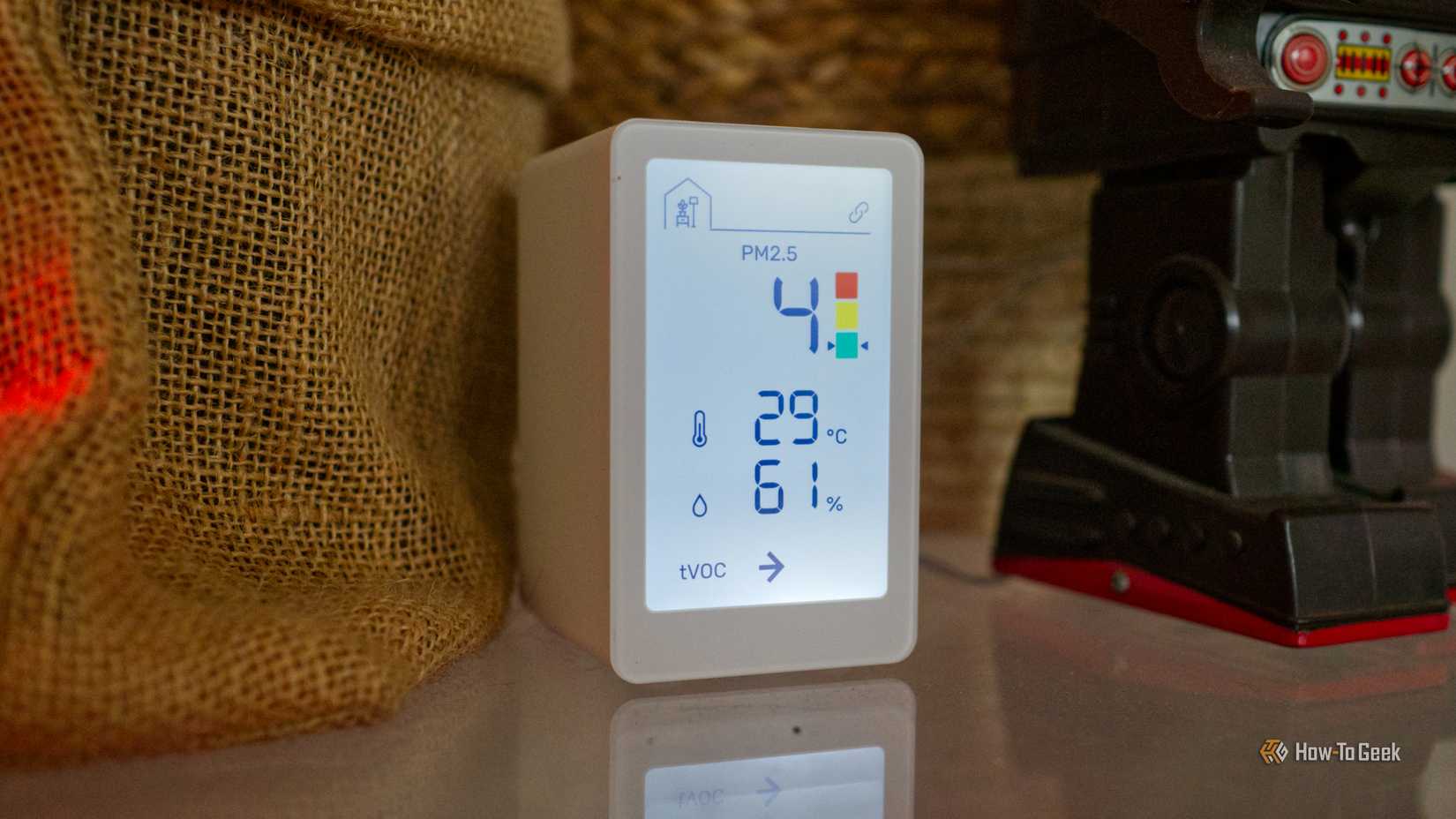
Air quality monitors and climate sensors are perhaps the most deceptive devices in terms of longevity. Unlike a light bulb that flickers or a plug that stops clicking, a failing sensor often continues to report data—it just happens to be wrong.
Sensors that measure humidity, CO2, and Volatile Organic Compounds (VOCs) rely on delicate chemical or optical processes that degrade over time. Humidity sensors, for instance, often experience "drift" as the sensing element becomes contaminated by dust, oils, or household chemicals. Most consumer-grade humidity sensors have an expected reliable lifespan of about seven to ten years, after which their accuracy can no longer be guaranteed.
Carbon monoxide (CO) and carbon dioxide (CO2) sensors are even more critical. CO sensors, in particular, have a hard-coded expiration date because the chemical reaction used to detect the gas is finite. Many of these devices are programmed with an "end-of-life" signal—often a specific chirp pattern—that alerts the user that the device is no longer capable of providing life-saving protection.
The most fragile of the bunch are VOC sensors found in many modern air quality monitors. Cheap sensors can lose their effectiveness in as little as two to three years of constant exposure to household pollutants. As consumers become more aware of these limitations, there is a growing movement toward modular designs, such as the ESP32-powered Project Aura, which allows users to swap out individual sensing modules rather than replacing the entire unit.
The Corporate Kill Switch: Cloud-Dependent Obsolescence
The final and perhaps most frustrating category of failure isn’t technical or mechanical, but institutional. A significant portion of the smart home market relies on "the cloud"—remote servers maintained by the manufacturer—to function. When a company decides that a product line is no longer profitable to support, they can simply "pull the plug" on the servers, turning perfectly functional hardware into useless "bricks."
Recent history is littered with examples of this phenomenon. From Google’s aging Nest thermostats losing core features to Logitech and Belkin sunsetting support for older hubs and cameras, the message to consumers is clear: you don’t truly own your cloud-connected devices; you are merely licensing their functionality.
This "service-based" lifespan is often much shorter than the hardware’s physical durability. A smart doorbell might be built to withstand ten years of rain and sun, but if the manufacturer shuts down its subscription service in year four, the device’s ability to send notifications or record video vanishes instantly.
In response to this, the smart home community has begun a significant pivot toward local control. Technologies like Zigbee, Thread, and the Matter standard are designed to allow devices to communicate directly with one another without needing to "phone home" to a corporate server. By choosing devices with local, offline capabilities and moving away from proprietary cloud ecosystems, homeowners can ensure that their smart home remains functional long after the manufacturer has moved on to the next product cycle.
The evolution of the smart home has reached a turning point. As we move deeper into 2026, the focus is shifting from simply adding "smarts" to every object to ensuring that those objects are sustainable, repairable, and resilient. For the modern homeowner, the key to a successful automated home is no longer just about the latest features—it’s about understanding the inevitable expiration dates of the technology and planning accordingly.
 Tech Tutorials & How-To Guides
Netflix Expands October Streaming Slate with Major Returns for ‘The Diplomat,’ ‘Love Is Blind,’ and ‘Solar Opposites’
As the calendar turns toward the final stretch of October, the streaming...
 Tech Tutorials & How-To Guides
The Limits of DNS Privacy: Why Changing Your Resolver Is Not a Total Cloaking Device
In the modern era of digital surveillance and data harvesting, internet users...
 Tech Tutorials & How-To Guides
Low-Cost Innovation: How DIY ESP32 Projects are Transforming Smart Home Economics and Sustainability
The landscape of home automation has undergone a radical shift over the...







