
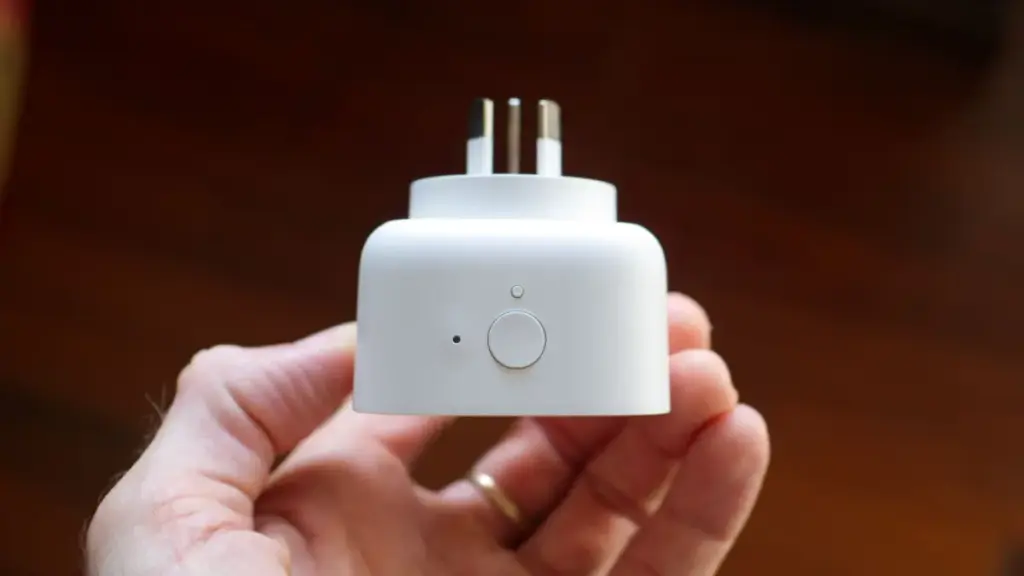

Heat plays a significant role here as well. Using a smart plug to manage high-wattage devices, such as space heaters or large air conditioning units, subjects the internal contacts to significant electrical stress and heat. Over time, this can lead to "pitting" or even the welding of the contacts, where the relay becomes stuck in either the ‘on’ or ‘off’ position. While a standard wall outlet is a passive piece of hardware that can last forty years, a smart plug is an active device with a finite mechanical life. Cheaper, off-brand plugs often use lower-grade relays that may fail within just a year or two of heavy use, making them one of the most frequently replaced items in a smart home setup.
The Vulnerability of the Smart Home "Brain"
For many enthusiasts, the Raspberry Pi has served as the ideal platform for running Home Assistant, the gold standard for local smart home control. It is affordable, power-efficient, and easy to set up. However, the very thing that makes it accessible—the use of a microSD card for the operating system and data storage—is also its greatest weakness.
MicroSD cards were originally designed for the "bursty" write patterns of digital cameras and smartphones, not the constant, high-frequency logging required by a smart home server. A platform like Home Assistant is constantly writing to its database—tracking temperature changes, motion events, and system logs every few seconds. This constant stream of data eventually exhausts the "write endurance" of the flash memory cells on the card.
When a microSD card fails in a smart home server, the results are often catastrophic, leading to a total system crash and potential data loss. While recent software optimizations in late 2025 have attempted to minimize these write operations to extend card life, the consensus among experts remains clear: if your smart home is running on a microSD card, it is a matter of when, not if, it will fail. The industry is seeing a massive shift toward solid-state drives (SSDs) and mini PCs with NVMe storage as more reliable alternatives, but for those still relying on the humble SD card, a robust backup and migration strategy is the only defense against an inevitable hardware expiration.
The Silent Drift of Environmental Sensors
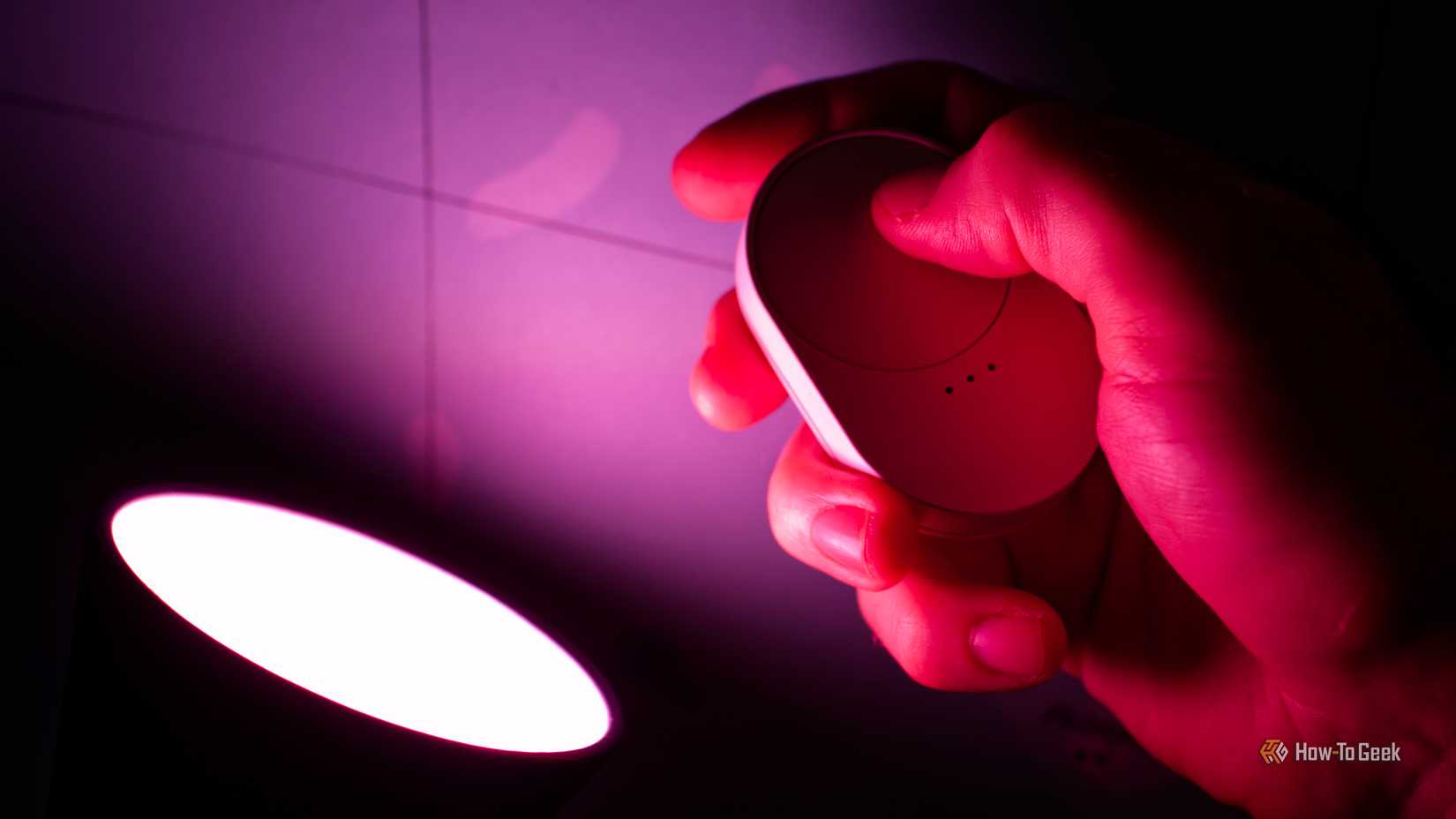
Air quality monitors and climate sensors are perhaps the most deceptive devices in terms of longevity. Unlike a light bulb that flickers or a plug that stops clicking, a failing sensor often continues to report data—it just happens to be wrong.
Sensors that measure humidity, CO2, and Volatile Organic Compounds (VOCs) rely on delicate chemical or optical processes that degrade over time. Humidity sensors, for instance, often experience "drift" as the sensing element becomes contaminated by dust, oils, or household chemicals. Most consumer-grade humidity sensors have an expected reliable lifespan of about seven to ten years, after which their accuracy can no longer be guaranteed.
Carbon monoxide (CO) and carbon dioxide (CO2) sensors are even more critical. CO sensors, in particular, have a hard-coded expiration date because the chemical reaction used to detect the gas is finite. Many of these devices are programmed with an "end-of-life" signal—often a specific chirp pattern—that alerts the user that the device is no longer capable of providing life-saving protection.
 Tech Tutorials & How-To Guides
From Satire to Slapstick: A Curated Selection of Netflix Comedies to Cure the Workday Blues
In the modern professional landscape, the transition from a high-stress office environment...
 Tech Tutorials & How-To Guides
The Untapped Power of the ESP32: Why Your Bluetooth Proxy Is Only Reaching a Fraction of Its Potential
In the rapidly evolving landscape of the modern smart home, the ESP32...
 Tech Tutorials & How-To Guides
The Evolution of Mobile Audio: Why Your Smartphone is a Professional-Grade Microphone in Disguise
In the modern era of digital content creation, the barrier to entry...






