
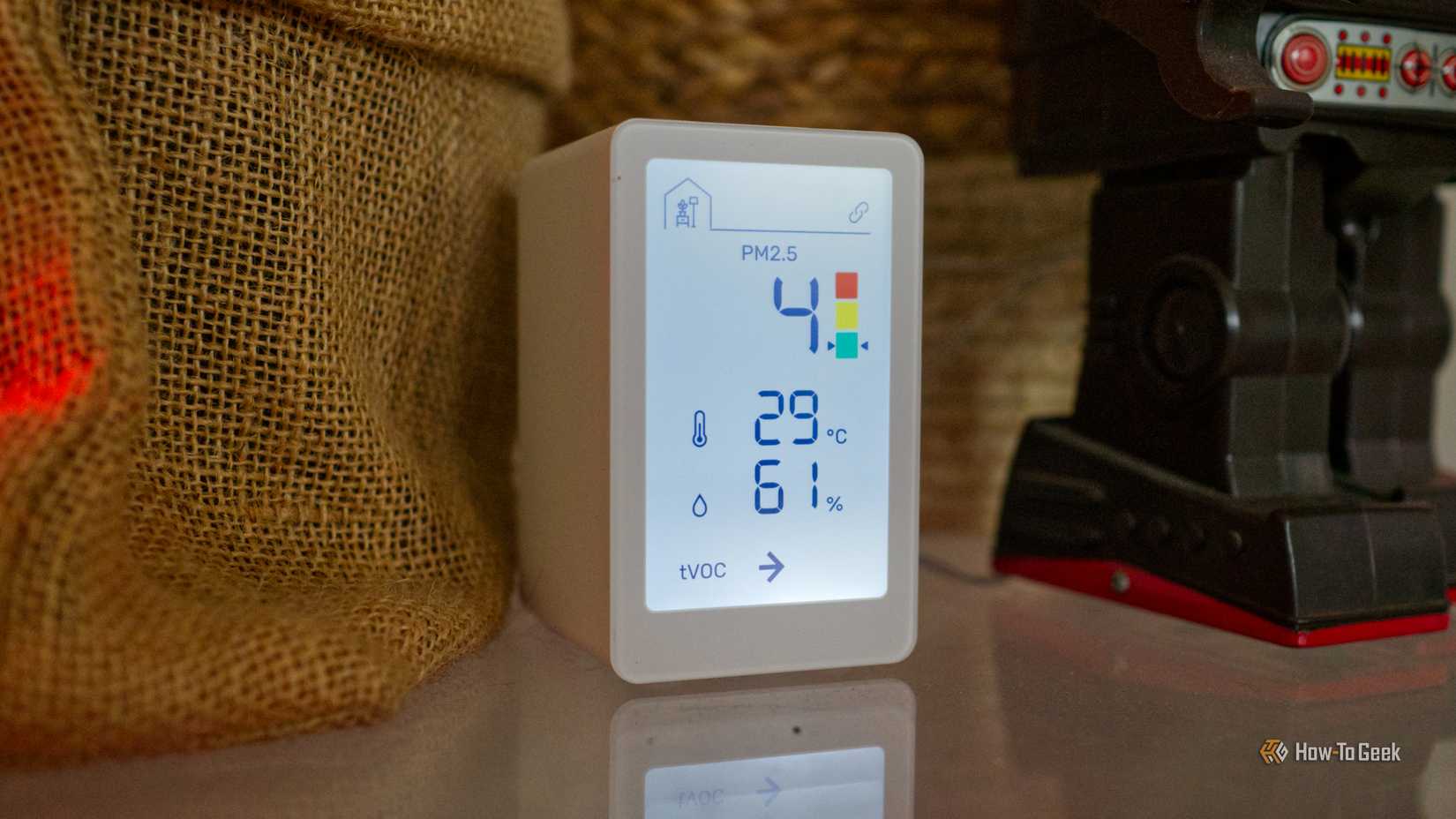
The most fragile of the bunch are VOC sensors found in many modern air quality monitors. Cheap sensors can lose their effectiveness in as little as two to three years of constant exposure to household pollutants. As consumers become more aware of these limitations, there is a growing movement toward modular designs, such as the ESP32-powered Project Aura, which allows users to swap out individual sensing modules rather than replacing the entire unit.
The Corporate Kill Switch: Cloud-Dependent Obsolescence
The final and perhaps most frustrating category of failure isn’t technical or mechanical, but institutional. A significant portion of the smart home market relies on "the cloud"—remote servers maintained by the manufacturer—to function. When a company decides that a product line is no longer profitable to support, they can simply "pull the plug" on the servers, turning perfectly functional hardware into useless "bricks."
Recent history is littered with examples of this phenomenon. From Google’s aging Nest thermostats losing core features to Logitech and Belkin sunsetting support for older hubs and cameras, the message to consumers is clear: you don’t truly own your cloud-connected devices; you are merely licensing their functionality.
This "service-based" lifespan is often much shorter than the hardware’s physical durability. A smart doorbell might be built to withstand ten years of rain and sun, but if the manufacturer shuts down its subscription service in year four, the device’s ability to send notifications or record video vanishes instantly.
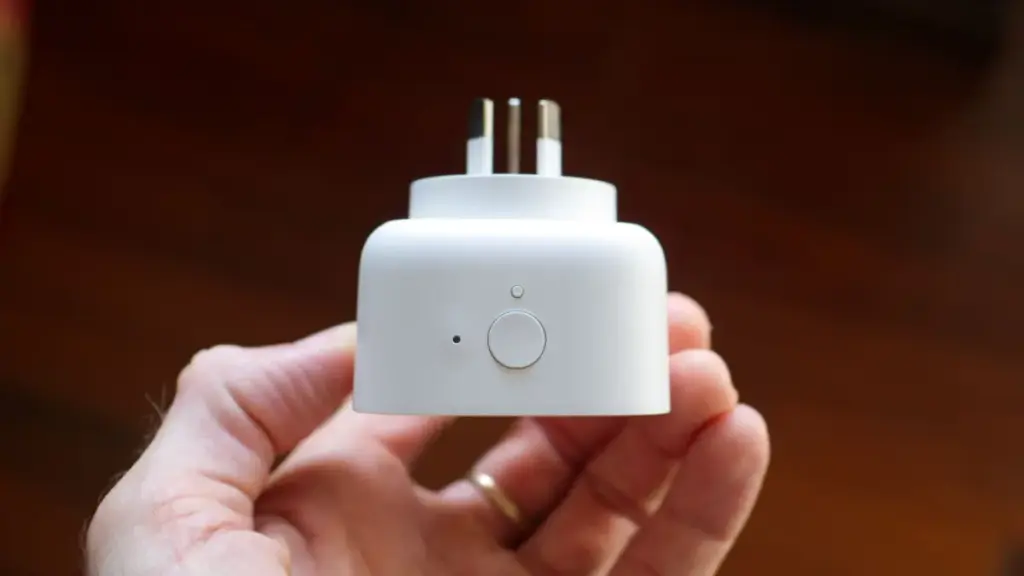
In response to this, the smart home community has begun a significant pivot toward local control. Technologies like Zigbee, Thread, and the Matter standard are designed to allow devices to communicate directly with one another without needing to "phone home" to a corporate server. By choosing devices with local, offline capabilities and moving away from proprietary cloud ecosystems, homeowners can ensure that their smart home remains functional long after the manufacturer has moved on to the next product cycle.
The evolution of the smart home has reached a turning point. As we move deeper into 2026, the focus is shifting from simply adding "smarts" to every object to ensuring that those objects are sustainable, repairable, and resilient. For the modern homeowner, the key to a successful automated home is no longer just about the latest features—it’s about understanding the inevitable expiration dates of the technology and planning accordingly.
 Tech Tutorials & How-To Guides
From E-Waste to New Passions: How Repurposed Technology is Fueling a New Era of Accessible Geek Hobbies
For many technology enthusiasts, the "junk drawer" is a common household fixture—a...
 Tech Tutorials & How-To Guides
Microsoft Security Reports Highlight Growing Need for Advanced Windows 11 Protection Measures
The landscape of digital security is undergoing a fundamental shift as cybercriminals...
 Tech Tutorials & How-To Guides
Unfiltered Cinema: Why R-Rated Hits Are Finding a Second Life on Major Streaming Platforms
In the modern landscape of digital entertainment, the motion picture rating system...






