
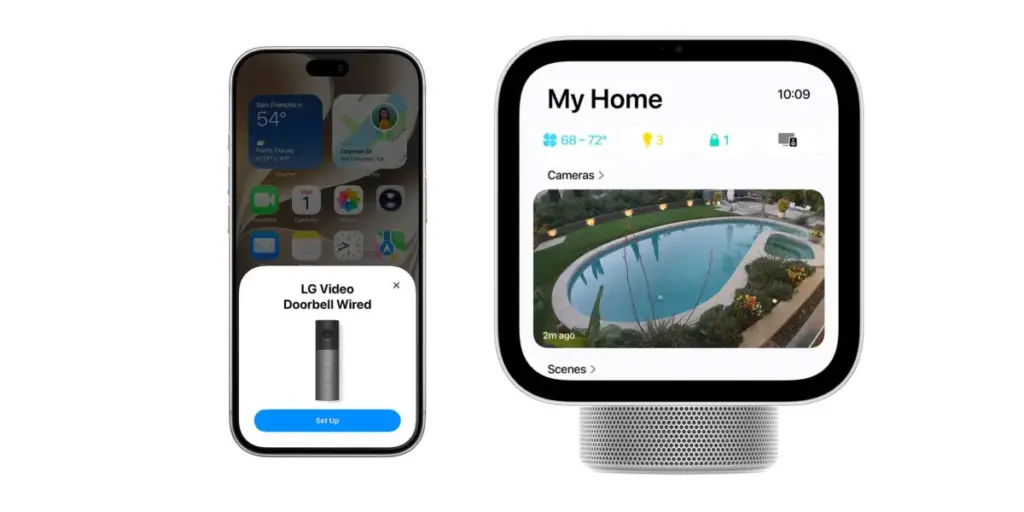
In the rapidly evolving world of consumer technology, it is often difficult for enthusiasts and early adopters to recognize the walls of the "tech bubble" in which they reside. For those who have spent the last decade—or in some cases, several decades—tinkering with automated lighting, smart thermostats, and networked security cameras, the complexities of the smart home have become a second language. From the early days of the X10 industry standard to the more recent innovations in wireless protocols, the "geek" community has long been comfortable with the friction inherent in building a connected living space.
However, the recent unveiling of the Apple Home Collection—a curated suite of smart home accessories developed in collaboration with industry leaders like LG and Schneider Electric—has been met with a degree of skepticism from this same community. Critics have pointed to the higher price points and the lack of revolutionary new product categories, questioning why a consumer would pay a premium for a doorbell or a light switch that seemingly offers the same functionality as existing, cheaper alternatives. This perspective, while understandable from a purely technical standpoint, overlooks the single greatest barrier to mass-market adoption: the user experience.
The Apple Home Collection is not merely a rebranding of existing technology; it represents a fundamental shift in how smart devices are integrated into the home. By prioritizing an "AirPods-like" setup process, Apple is attempting to bridge the gap between the hobbyist and the "normie," potentially catalyzing the next major wave of smart home growth.
HomeKit was a start, but not enough
To understand why the Apple Home Collection is significant, one must first look at the history of the industry. In its infancy, smart home technology was the exclusive domain of those willing to engage in a significant amount of manual labor. Achieving basic automation often required soldering irons, custom programming, and a deep understanding of electrical circuits. It was a niche hobby for the technically inclined, far removed from the plug-and-play expectations of the general public.
The first major evolution came with the introduction of smartphone-controlled, fully wireless devices. This lowered the barrier to entry, but it introduced a new kind of friction: fragmentation. Each manufacturer required its own proprietary app for setup and control. A homeowner with a smart lock from one brand, a thermostat from another, and bulbs from a third found themselves navigating a digital maze of disparate interfaces.
Apple’s introduction of HomeKit was intended to be the definitive solution to this problem. The vision was elegant and ambitious: a single, unified app—the Home app—that could act as a central nervous system for every connected device in a house. The HomeKit label was designed to serve as a seal of approval, guaranteeing that a product would work seamlessly within Apple’s ecosystem and could be controlled via Siri.
 Smart Home & IoT Solutions
SwitchBot Expands Smart Home Ecosystem with Launch of Lock Vision and Lock Vision Pro Featuring 3D Facial Recognition and Matter Support
In the rapidly evolving landscape of smart home security, the quest for...
 Smart Home & IoT Solutions
Controller for HomeKit Introduces Natural Language AI Feature to Simplify Complex Smart Home Automations
In the rapidly evolving landscape of smart home technology, the gap between...
 Smart Home & IoT Solutions
Apple Intelligence Signals Major Overhaul for Smart Home Lineup as New Hardware Nears Release
For several years, Apple’s presence in the smart home market has been...







