Despite these intentions, the reality of HomeKit often fell short of the promise. While it improved the daily management of devices, the initial configuration remained a daunting task for many. Some "HomeKit-compatible" devices still required users to download a third-party manufacturer app to perform firmware updates or initial Wi-Fi handshakes before they would even appear in the Home app. For the average consumer, the process of troubleshooting network credentials or scanning hidden QR codes felt less like a luxury experience and more like acting as an unpaid network engineer. Furthermore, Apple’s strict security requirements meant that many manufacturers opted out of the program, leading to a market where Amazon Alexa and Google Home ecosystems enjoyed greater commercial success due to their broader hardware support and lower prices.
Matter and Thread helped
The industry recognized this stagnation, leading to the development of the Matter and Thread standards. Matter was designed as a universal language, allowing devices from different brands to communicate with one another regardless of whether the user preferred Apple, Amazon, or Google. Thread, meanwhile, provided a robust, low-power mesh networking protocol that improved the reliability and speed of these connections.
The arrival of these standards was a monumental step forward. For manufacturers, it meant they no longer had to choose which ecosystem to support; they could build one device that worked for everyone. For consumers, it simplified the buying process, as they no longer had to worry about whether a specific lightbulb would "talk" to their specific smart speaker.
Matter also introduced a more standardized setup process, which did indeed make the technology more accessible than the fragmented systems of the past. However, even with Matter, the "out-of-the-box" experience still lacked the polish required for mass-market saturation. There was still a requirement for the user to be proactive—to follow a series of steps, ensure they were on the correct 2.4GHz frequency, and navigate menus. While the technical foundation had been laid, the "magic" that Apple users have come to expect from the company’s other product lines remained elusive in the smart home space.
Apple Home Collection
This brings us to the Apple Home Collection. The primary critique from the tech community—that these devices are essentially "standard" hardware with a higher price tag—misses the psychological impact of the new setup architecture. Apple has realized that for the "normie" consumer, the hurdle isn’t the price of the device; it’s the fear of the setup.
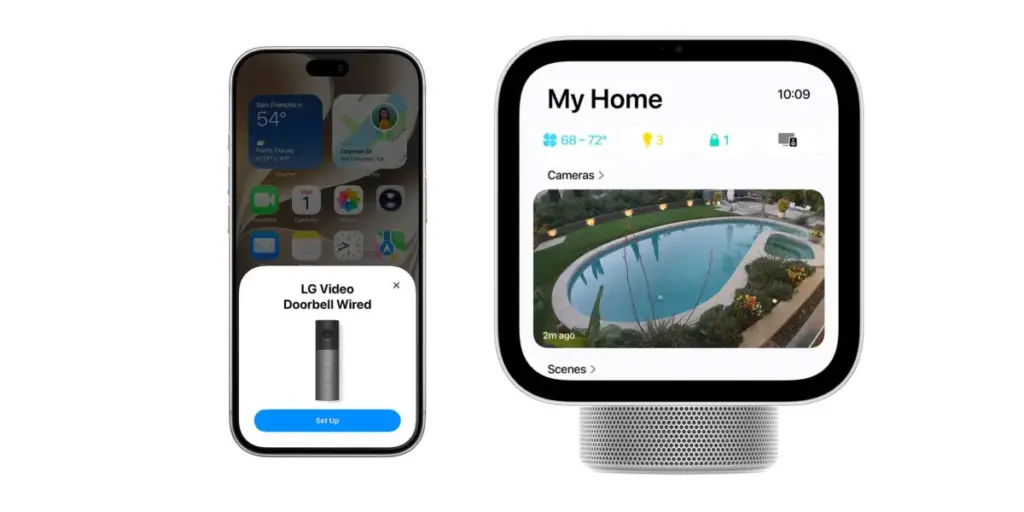
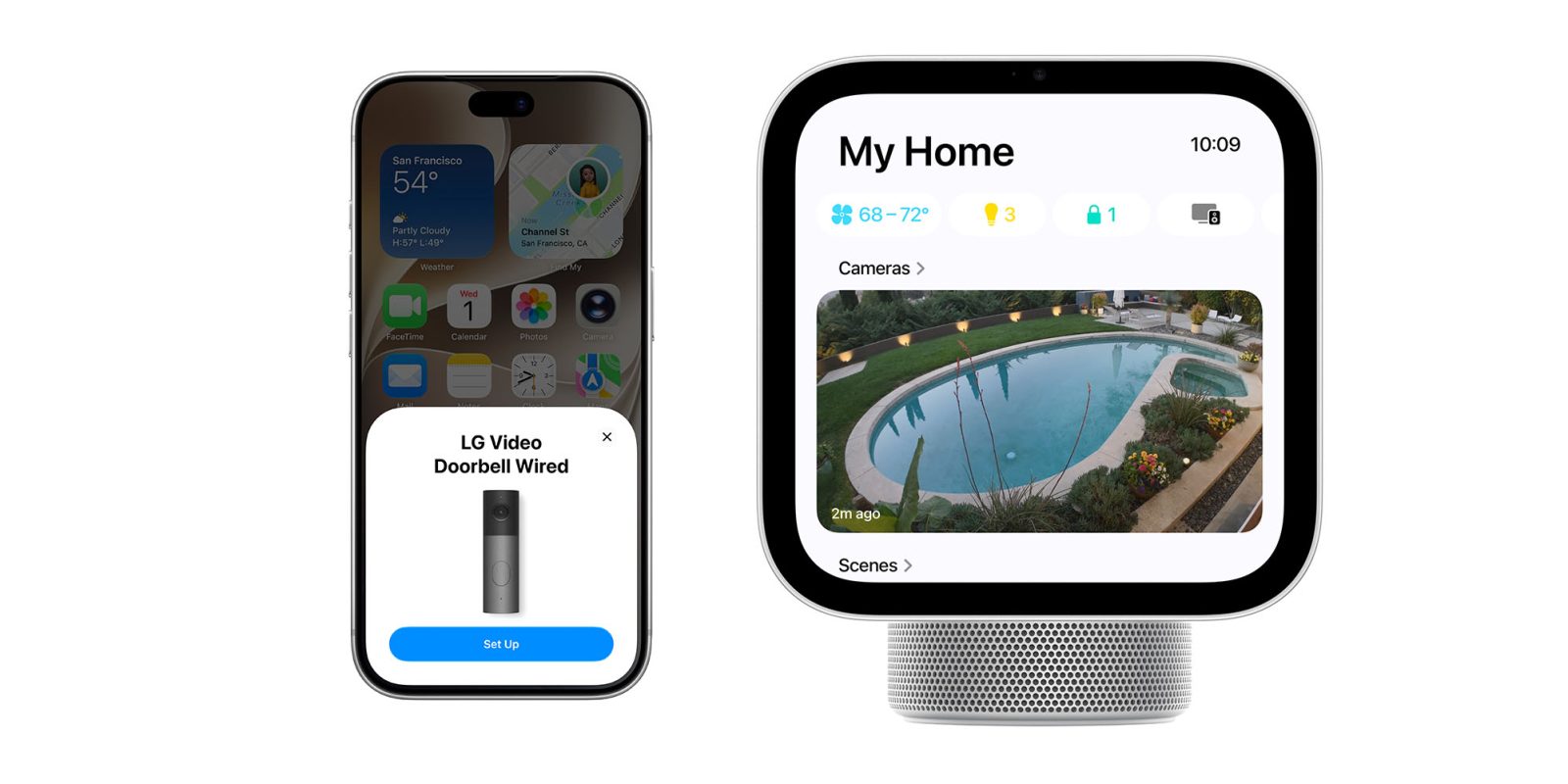
The Apple Home Collection changes the paradigm by making the configuration of a smart doorbell or a light switch as intuitive as pairing a new set of AirPods. This proximity-based pairing removes the traditional pain points of smart home installation. Instead of navigating through multiple screens and manual inputs, a user simply brings their iPhone near the new device, and a setup card appears instantly.
 Smart Home & IoT Solutions
Apple’s Upcoming HomeView Device Discovered to Feature Integrated HomeKit Security Camera Capabilities
As Apple prepares to deepen its footprint in the smart home market,...
 Smart Home & IoT Solutions
Apple Gates Advanced AI Home Security Features Behind Premium 2TB iCloud Subscription
As the technology industry continues its aggressive pivot toward artificial intelligence, the...
 Smart Home & IoT Solutions
Apple Prepares for Major Smart Home Expansion as Siri AI Sets the Stage for New Hardware
For the better part of the last decade, Apple’s presence in the...