Apple is reportedly less than two weeks away from unveiling its most significant push into the smart home market to date. According to a comprehensive new report from Bloomberg, the Cupertino-based tech giant is finally ready to launch its long-anticipated smart home display, a product intended to serve as a centralized hub for controlling appliances, managing communications, and navigating the Apple ecosystem within the household. The move marks a pivotal moment for Apple’s hardware division, as it seeks to capture a segment of the market currently dominated by Amazon’s Echo Show and Google’s Nest Hub.
The upcoming device, which has been the subject of speculation for several years, represents Apple’s attempt to bridge the gap between its existing home products, such as the HomePod and Apple TV, and a dedicated tactile interface for home automation. While the HomePod has served as an audio-centric entry point and the Apple TV as an entertainment center, the new smart display is expected to provide the visual and interactive "command center" that many users have felt is missing from the HomeKit ecosystem.
A Design Nod to Apple’s Heritage
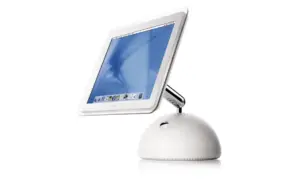
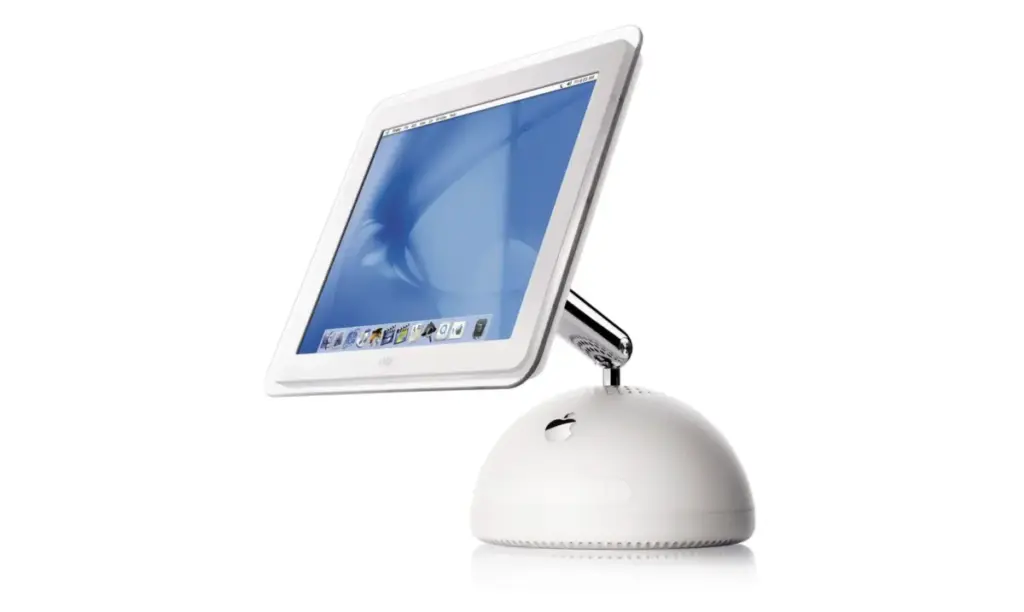
Perhaps the most striking detail revealed in the report is the design direction Apple has chosen for this new category. According to Bloomberg’s Mark Gurman, the device features a design language that draws heavy inspiration from one of Apple’s most beloved and visually distinct products: the iMac G4. Released in the early 2000s, the iMac G4 was famously known for its "sunflower" aesthetic, characterized by a hemispherical base that housed the computer’s internals and a flexible chrome neck that supported a floating flat-panel monitor.
Apple’s new smart home hub is said to echo this iconic silhouette. The report describes a device featuring a small, square display—approximately six inches in size—positioned at an angle on a base. This base is reportedly similar to the half-dome shape of the G4, providing a stable foundation while allowing the screen to be easily viewed from various heights and angles. By reaching into its design archives, Apple appears to be aiming for a look that is both nostalgic and functional, moving away from the generic "tablet-on-a-stand" appearance that defines many contemporary smart displays.
The choice of a 6-inch square display is particularly notable. Most competing products opt for rectangular screens ranging from 5 to 10 inches. A square aspect ratio suggests a focus on glanceable information and control widgets rather than widescreen video consumption. This size makes the device compact enough to fit on a kitchen counter, a bedside table, or a hallway shelf without becoming an intrusive presence in the room.

Physical Specifications and Aesthetic Details
Despite the retro inspiration of the base, the display itself is said to incorporate modern Apple design cues. The report indicates that the screen is "about as thick as an iPhone," maintaining the slim profile that has become a hallmark of Apple’s mobile devices. This thinness likely contributes to the "floating" effect of the screen when mounted on its metal support arm.
The display is bordered by quarter-inch black bezels, a design choice that Bloomberg compares to the aesthetic of older iPad models. While Apple has moved toward nearly bezel-less designs for its flagship iPhones and iPad Pro models, the inclusion of a slight border on a smart home hub may be a practical consideration, providing a dedicated space for sensors and a front-facing camera without encroaching on the screen real estate.
 Smart Home & IoT Solutions
Apple Set to Revolutionize the Smart Home with Upcoming Smart Display Launch
Apple is reportedly less than two weeks away from unveiling its highly...
 Smart Home & IoT Solutions
Apple Intelligence in the Home: New AI Security Features Require Top-Tier iCloud+ Subscription
As the development cycle for Apple’s upcoming software ecosystem continues, the release...
 Smart Home & IoT Solutions
Controller for HomeKit Introduces Natural Language AI to Simplify Complex Smart Home Automations
The promise of the modern smart home has always been one of...