
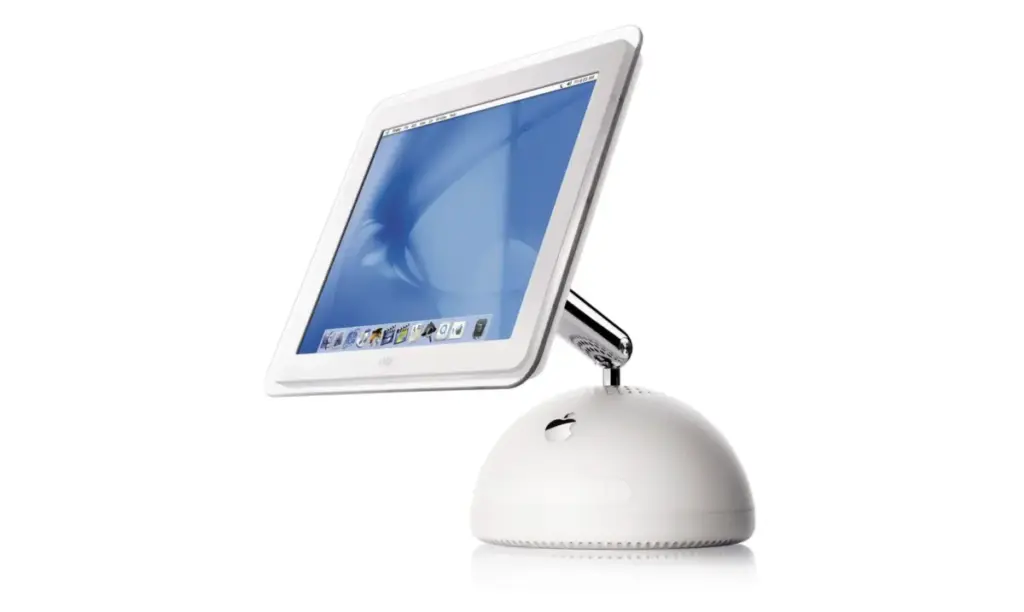
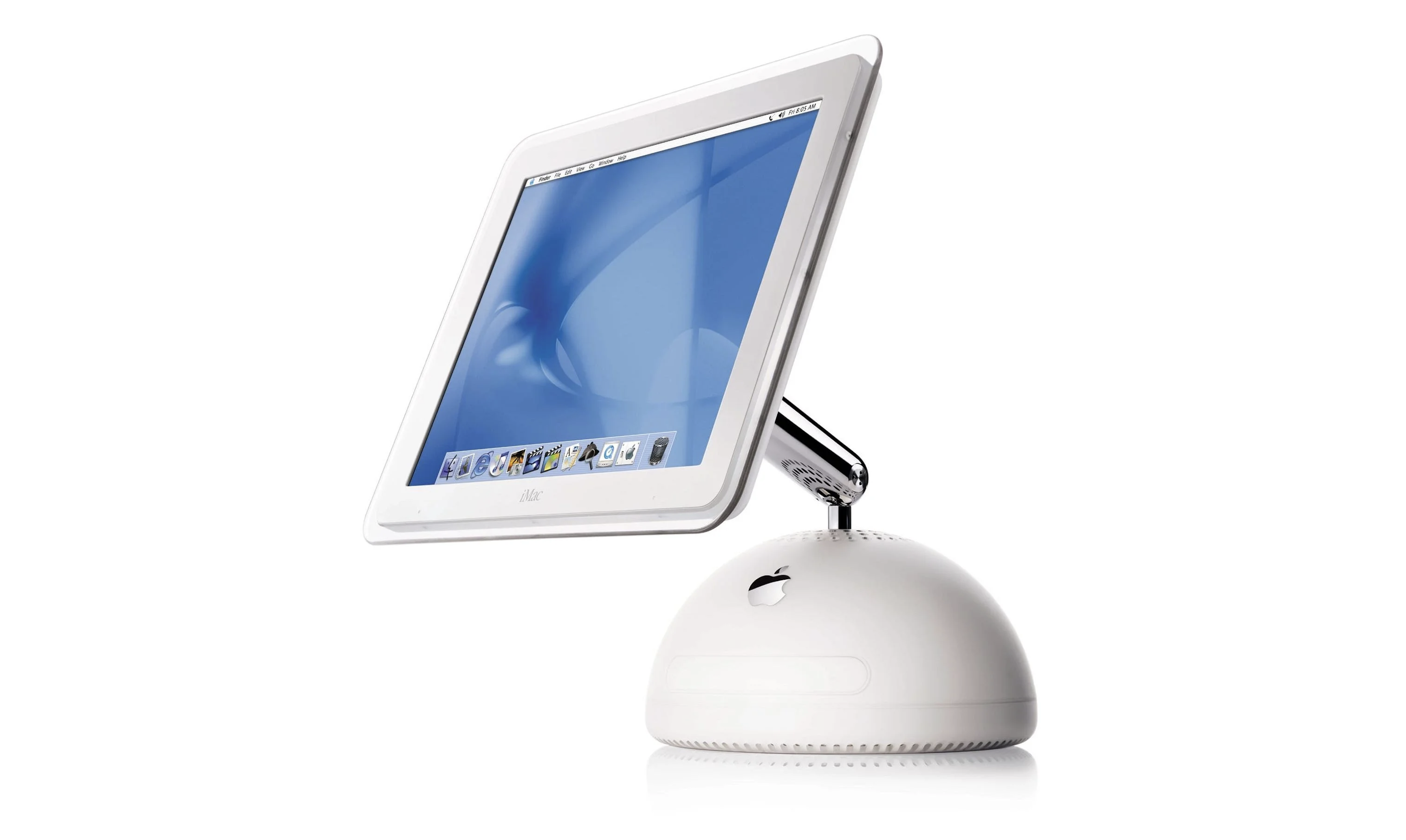
In keeping with Apple’s current industrial design philosophy, the device reportedly features rounded corners with "no sharp edges." This softens the appearance of the hardware, making it feel more like a piece of home furniture than a piece of cold technology. The emphasis on smooth lines and a friendly form factor suggests that Apple is prioritizing a device that blends seamlessly into various home decors.
A Versatile Two-Model Strategy
The report further clarifies that Apple is not just launching a single tabletop device. Bloomberg indicates that there is a second version of the home hub specifically "designed to be mounted on a wall." This dual-track approach suggests that Apple recognizes the different ways consumers interact with smart technology in different parts of the home. While a tabletop version is ideal for a nightstand or a desk, a wall-mounted version serves as a permanent architectural fixture, similar to a high-end home automation panel or a traditional thermostat.
The wall-mounted variant reportedly utilizes a different structural layout to maintain a flush or low-profile appearance. It is said to feature a "thin, square-shaped base" located beneath the display. This base is not a dome like the tabletop model, but rather a flat housing that sits against the wall. Inside this base, Apple has reportedly integrated the speakers and microphones, ensuring that the device remains a fully capable communication tool even when mounted.
Connectivity and power for the wall-mounted unit are expected to be handled via USB-C. This standardized port choice aligns with Apple’s recent transition away from Lightning and proprietary connectors across its entire product lineup. For the wall-mounted version, this could simplify installation, allowing users to potentially route power through walls or use existing USB-C infrastructure.
Strategic Positioning in the Smart Home Market
The launch of this smart display comes at a time when the "Matter" smart home standard is beginning to gain traction, promising better interoperability between devices from different manufacturers. Apple has been a key supporter of Matter, and this new hub is expected to be the flagship hardware that showcases the standard’s potential. By providing a dedicated screen, Apple can offer a more intuitive interface for managing a wide array of Matter-compatible lights, locks, cameras, and thermostats.
Historically, Apple’s approach to the smart home has been cautious. The original HomePod was criticized for its high price point and limited functionality at launch, leading Apple to pivot toward the more affordable HomePod mini. However, the smart home market has matured significantly since then. Consumers are now more accustomed to having voice-activated assistants and visual hubs in their living spaces.
By entering the category now, Apple can leverage its strengths in privacy and ecosystem lock-in. The smart display is expected to feature deep integration with iCloud, Calendar, Photos, and FaceTime. A dedicated home hub that can display a family’s shared calendar, act as a digital photo frame, and handle video calls via a built-in camera would provide a compelling reason for iPhone users to stay within the Apple ecosystem.
 Smart Home & IoT Solutions
The Frictionless Frontier: Why the Apple Home Collection Could Finally Bring the Smart Home to the Masses
For those deeply embedded in the world of consumer technology, it is...
 Smart Home & IoT Solutions
Apple to Require 2TB iCloud+ Subscription for New AI-Powered Home Security Features
As Apple continues to integrate its sophisticated "Apple Intelligence" across its ecosystem,...
 Smart Home & IoT Solutions
Apple Prepares Major Smart Home Overhaul as Siri AI Integration Signals New Hardware Cycle
For several years, Apple’s ambitions in the smart home sector have appeared...







