
Apple is reportedly less than two weeks away from unveiling its most significant push into the smart home market to date. According to a comprehensive new report from Bloomberg, the Cupertino-based tech giant is finally ready to launch its long-anticipated smart home display, a product intended to serve as a centralized hub for controlling appliances, managing communications, and navigating the Apple ecosystem within the household. The move marks a pivotal moment for Apple’s hardware division, as it seeks to capture a segment of the market currently dominated by Amazon’s Echo Show and Google’s Nest Hub.
The upcoming device, which has been the subject of speculation for several years, represents Apple’s attempt to bridge the gap between its existing home products, such as the HomePod and Apple TV, and a dedicated tactile interface for home automation. While the HomePod has served as an audio-centric entry point and the Apple TV as an entertainment center, the new smart display is expected to provide the visual and interactive "command center" that many users have felt is missing from the HomeKit ecosystem.
A Design Nod to Apple’s Heritage
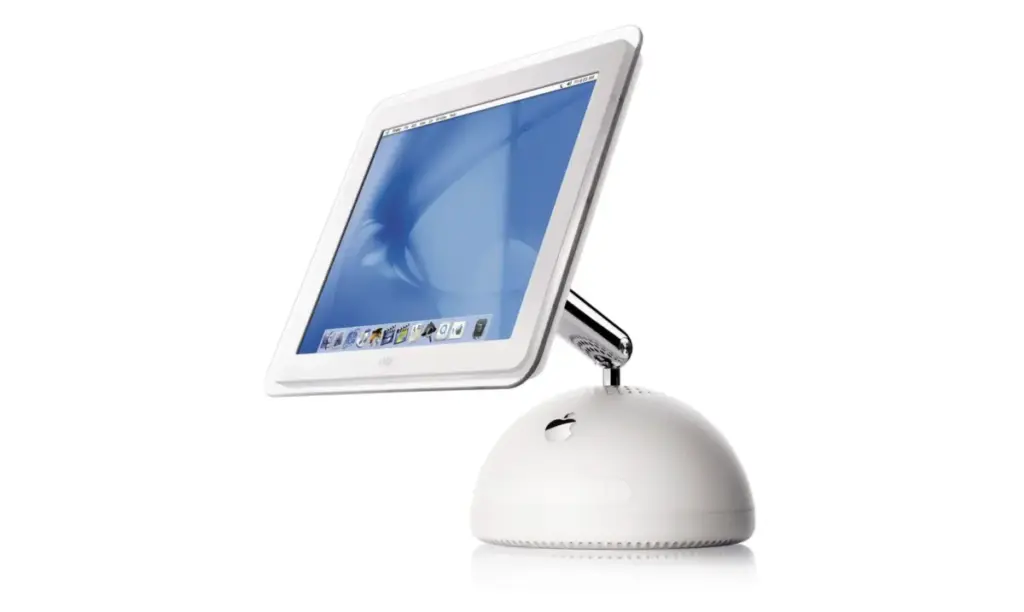
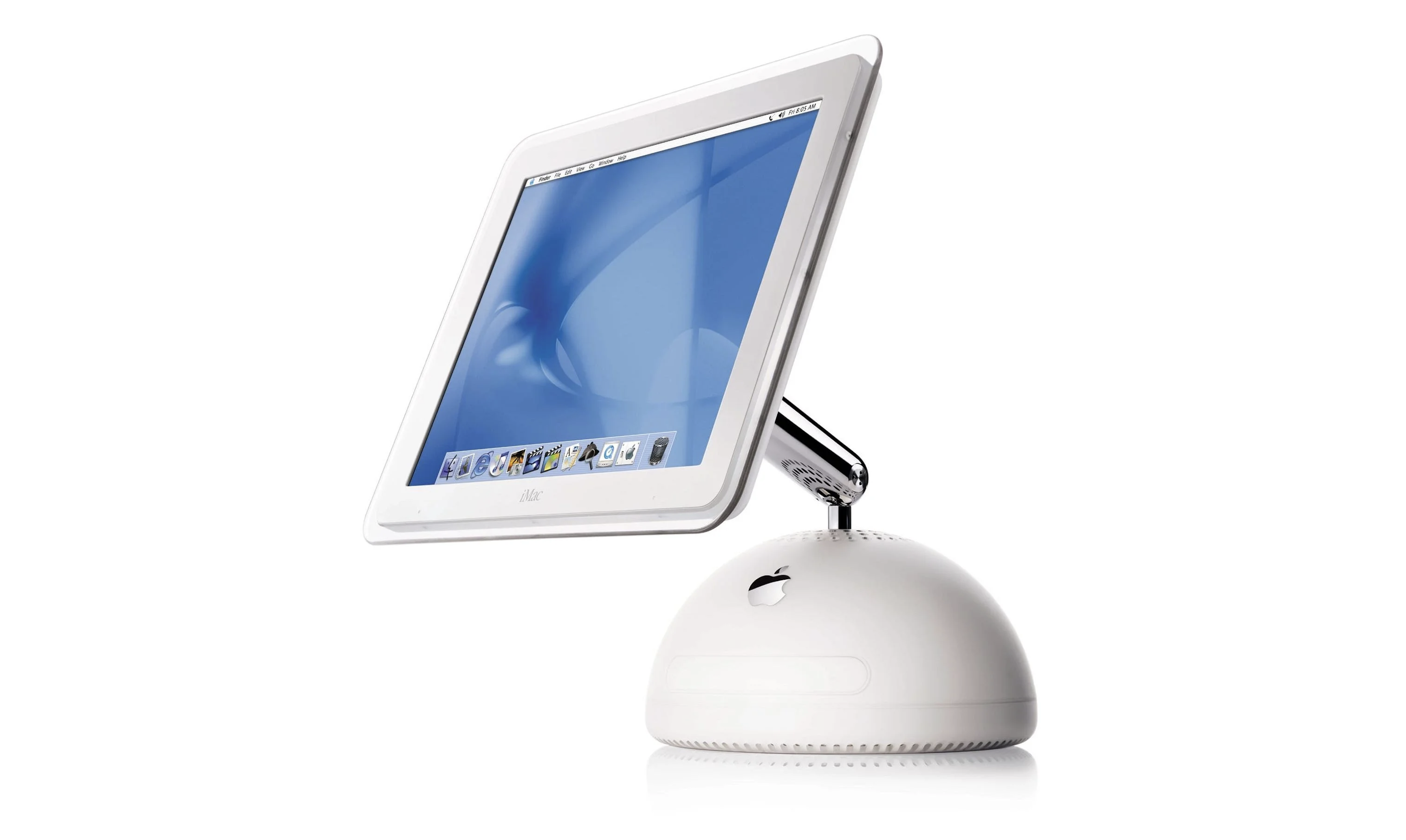
Perhaps the most striking detail revealed in the report is the design direction Apple has chosen for this new category. According to Bloomberg’s Mark Gurman, the device features a design language that draws heavy inspiration from one of Apple’s most beloved and visually distinct products: the iMac G4. Released in the early 2000s, the iMac G4 was famously known for its "sunflower" aesthetic, characterized by a hemispherical base that housed the computer’s internals and a flexible chrome neck that supported a floating flat-panel monitor.
Apple’s new smart home hub is said to echo this iconic silhouette. The report describes a device featuring a small, square display—approximately six inches in size—positioned at an angle on a base. This base is reportedly similar to the half-dome shape of the G4, providing a stable foundation while allowing the screen to be easily viewed from various heights and angles. By reaching into its design archives, Apple appears to be aiming for a look that is both nostalgic and functional, moving away from the generic "tablet-on-a-stand" appearance that defines many contemporary smart displays.
The choice of a 6-inch square display is particularly notable. Most competing products opt for rectangular screens ranging from 5 to 10 inches. A square aspect ratio suggests a focus on glanceable information and control widgets rather than widescreen video consumption. This size makes the device compact enough to fit on a kitchen counter, a bedside table, or a hallway shelf without becoming an intrusive presence in the room.

Physical Specifications and Aesthetic Details
Despite the retro inspiration of the base, the display itself is said to incorporate modern Apple design cues. The report indicates that the screen is "about as thick as an iPhone," maintaining the slim profile that has become a hallmark of Apple’s mobile devices. This thinness likely contributes to the "floating" effect of the screen when mounted on its metal support arm.
The display is bordered by quarter-inch black bezels, a design choice that Bloomberg compares to the aesthetic of older iPad models. While Apple has moved toward nearly bezel-less designs for its flagship iPhones and iPad Pro models, the inclusion of a slight border on a smart home hub may be a practical consideration, providing a dedicated space for sensors and a front-facing camera without encroaching on the screen real estate.
In keeping with Apple’s current industrial design philosophy, the device reportedly features rounded corners with "no sharp edges." This softens the appearance of the hardware, making it feel more like a piece of home furniture than a piece of cold technology. The emphasis on smooth lines and a friendly form factor suggests that Apple is prioritizing a device that blends seamlessly into various home decors.
A Versatile Two-Model Strategy
The report further clarifies that Apple is not just launching a single tabletop device. Bloomberg indicates that there is a second version of the home hub specifically "designed to be mounted on a wall." This dual-track approach suggests that Apple recognizes the different ways consumers interact with smart technology in different parts of the home. While a tabletop version is ideal for a nightstand or a desk, a wall-mounted version serves as a permanent architectural fixture, similar to a high-end home automation panel or a traditional thermostat.
The wall-mounted variant reportedly utilizes a different structural layout to maintain a flush or low-profile appearance. It is said to feature a "thin, square-shaped base" located beneath the display. This base is not a dome like the tabletop model, but rather a flat housing that sits against the wall. Inside this base, Apple has reportedly integrated the speakers and microphones, ensuring that the device remains a fully capable communication tool even when mounted.
Connectivity and power for the wall-mounted unit are expected to be handled via USB-C. This standardized port choice aligns with Apple’s recent transition away from Lightning and proprietary connectors across its entire product lineup. For the wall-mounted version, this could simplify installation, allowing users to potentially route power through walls or use existing USB-C infrastructure.
Strategic Positioning in the Smart Home Market
The launch of this smart display comes at a time when the "Matter" smart home standard is beginning to gain traction, promising better interoperability between devices from different manufacturers. Apple has been a key supporter of Matter, and this new hub is expected to be the flagship hardware that showcases the standard’s potential. By providing a dedicated screen, Apple can offer a more intuitive interface for managing a wide array of Matter-compatible lights, locks, cameras, and thermostats.
Historically, Apple’s approach to the smart home has been cautious. The original HomePod was criticized for its high price point and limited functionality at launch, leading Apple to pivot toward the more affordable HomePod mini. However, the smart home market has matured significantly since then. Consumers are now more accustomed to having voice-activated assistants and visual hubs in their living spaces.
By entering the category now, Apple can leverage its strengths in privacy and ecosystem lock-in. The smart display is expected to feature deep integration with iCloud, Calendar, Photos, and FaceTime. A dedicated home hub that can display a family’s shared calendar, act as a digital photo frame, and handle video calls via a built-in camera would provide a compelling reason for iPhone users to stay within the Apple ecosystem.
The Future of Apple’s Home Hardware
The imminent launch of the 6-inch smart display may only be the beginning of a broader hardware roadmap. Previous rumors have suggested that Apple is also working on a more advanced "robotic" version of a home display, featuring a larger screen and a motorized arm that can rotate to follow a user around the room during a FaceTime call. While the report from Bloomberg focuses on the more immediate 6-inch model, the existence of a wall-mounted variant and the iMac G4-inspired tabletop model suggests that Apple is building a multi-tiered family of home products.

The timing of the report suggests that an official announcement could come via a press release or a small-scale event in the very near future. As Apple continues to diversify its revenue streams beyond the iPhone, the smart home represents a significant opportunity for growth. If the new hub can successfully combine the nostalgic charm of the iMac G4 with the modern utility of HomeKit and Apple Intelligence, it may finally give the company the foothold in the home that it has been seeking for over a decade.
As the launch window approaches, the tech industry is watching closely to see if Apple can redefine the smart display category, much as it did with the tablet and smartwatch markets. With a design that pays homage to its past and a functional focus on the future of the connected home, Apple’s new hub is poised to be one of the most interesting hardware releases of the year.
My favorite Apple deals right now:
As we anticipate the arrival of new hardware, there are several notable discounts currently available on Apple’s existing lineup. These deals offer an excellent opportunity for users to bolster their ecosystem before the new smart home hub arrives.
The current-generation iPad Air remains a top recommendation for those who want a powerful, versatile tablet for home control and media consumption. It frequently sees significant price cuts at major retailers, making it a more affordable alternative to the Pro models. Additionally, the HomePod mini continues to be a staple for multi-room audio and Siri integration, often available in bundle deals that make it easy to outfit an entire home with smart speakers.
For those looking to upgrade their personal tech, the MacBook Air with the M3 chip is currently seeing some of its lowest prices since launch. Its combination of portability and performance makes it an ideal companion for both work and home management tasks. Finally, keep an eye on Apple Watch Series 9 and Ultra 2 discounts, as these devices serve as the primary wearable interface for many of the smart home features that the upcoming display will likely support.
 Smart Home & IoT Solutions
Apple Revolutionizes the Smart Home with AI-Driven Upgrades in iOS 27
As Apple prepares to host its highly anticipated "Welcome Home" special event...
 Smart Home & IoT Solutions
Apple Prepares Major Smart Home Overhaul as Siri AI Integration Signals New Hardware Cycle
For several years, Apple’s ambitions in the smart home sector have appeared...
 Smart Home & IoT Solutions
Controller for HomeKit app adds AI feature: ‘Just say it’
The core premise of the update is to allow users to use...







