

For the better part of two decades, the world of high-fidelity audio was governed by a simple, albeit expensive, axiom: if you wanted professional-grade sound, you had to pay professional-grade prices. As a long-time enthusiast who built a lifestyle around high-end speakers and open-back headphones, I subscribed to this philosophy without question. To me, In-Ear Monitors (IEMs) were either the tools of stage musicians or the playthings of wealthy audiophiles willing to drop four figures on a pair of resin-encased drivers. My loyalty remained with my reliable, airy over-ear setups, and I viewed the burgeoning market of budget wired earbuds with a healthy dose of skepticism.
However, the landscape of personal audio has undergone a radical transformation. In recent years, a segment of the market—often referred to as the sub-$30 wired audio category—has exploded in popularity, driven by manufacturing innovations and a new approach to acoustic tuning. After months of hearing the mounting hype from forums and tech circles, I decided to conduct a low-risk experiment. I purchased a pair of entry-level IEMs for the price of a modest dinner, fully expecting a mediocre experience. Instead, I found myself questioning the hundreds of dollars I had previously invested in "premium" gear.
A New Era of Acoustic Engineering at Scale
The concept of a "cheap" earphone used to be synonymous with tinny trebles, muddy bass, and a build quality that felt destined for a landfill within weeks. A decade ago, if a listener desired a balanced frequency response and technical detail in an IEM, their options were limited to established titans like Shure or Sennheiser, where entry-level professional models started at several hundred dollars.
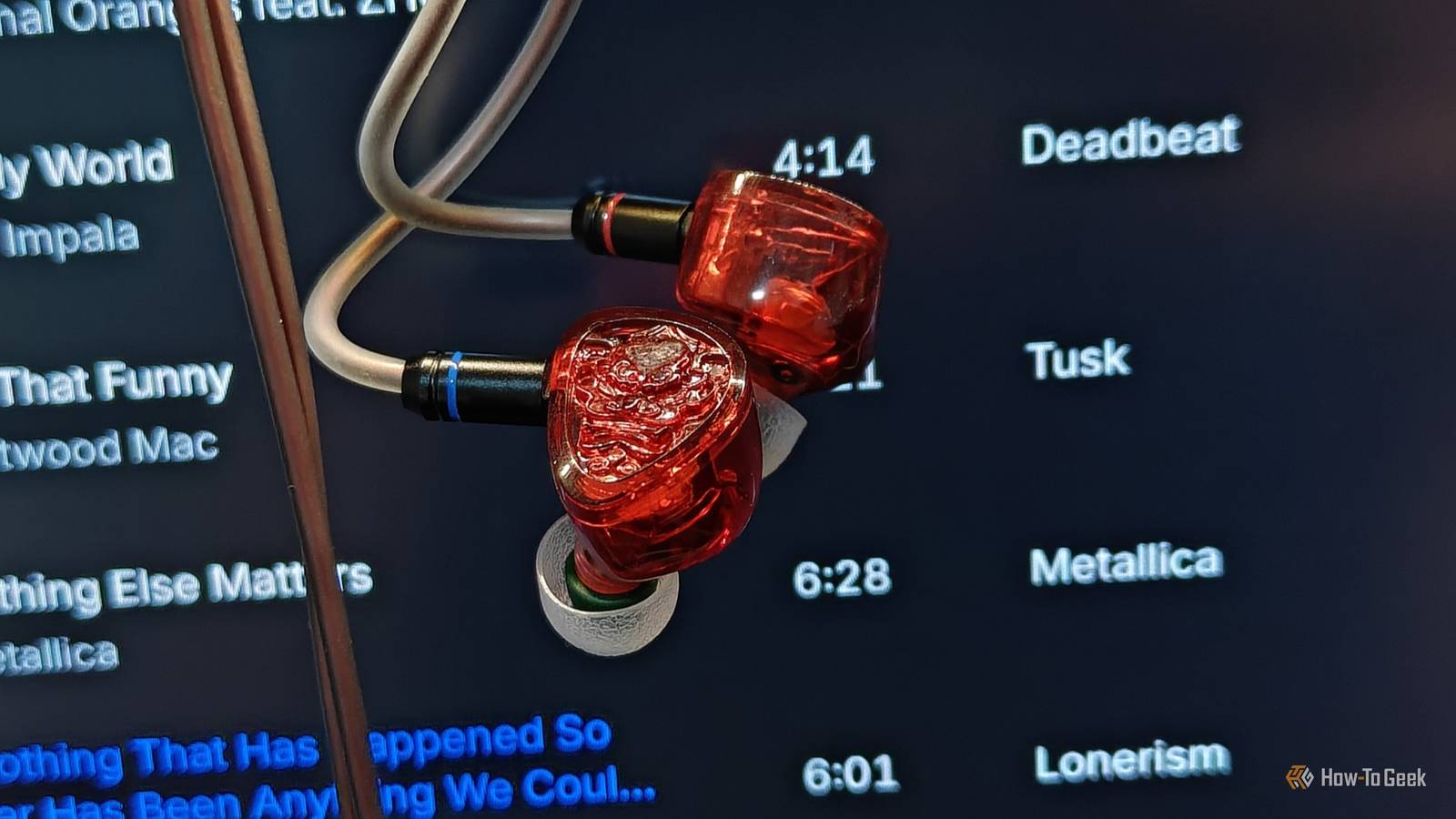
The current market is unrecognizable by those old standards. Today, thanks to significant advances in computer-aided acoustic design and the ability to manufacture high-quality dynamic and balanced armature drivers at massive scale, the "budget" floor has been raised to an unbelievable height. The most startling realization for a newcomer is that the same brands producing flagship models costing upwards of $2,000—such as Moondrop with their Solis II—are also the ones perfecting the $20 entry-level market with models like the Moondrop Chu III. This trickle-down technology has democratized high-fidelity audio in a way that was previously unthinkable.
In my quest to see if the hype was justified, I looked toward the most praised models in the audiophile community. The list of contenders in the $20 to $30 range is surprisingly long, featuring names like the Tangzu Wan’er S.G., the 7Hz x Crinacle Zero, the Truthear Gate, and various iterations from KZ, such as the Castor and the ZST. What sets these apart from the "drugstore earbuds" of the past is their adherence to modern target-based tuning, such as the Harman Curve, which aims to replicate the sound signature that most listeners find naturally pleasing and balanced.
The Tangzu Wan’er S.G. II Experience: Unbelievable Bang for Your Buck
After extensive research, I settled on the Tangzu Wan’er S.G. II, specifically the Red Lion edition. My choice was driven partly by the reputation of its vocal clarity and partly by the sheer value of the bundle. For less than $30, the package felt like an anomaly. It included the IEMs themselves, a detachable cable, a silicone cable organizer, and two distinct sets of eartips.
The inclusion of the Tang Sancai wide-bore eartips was particularly noteworthy. In the specialized world of audio accessories, these tips can often retail for nearly half the price of the entire Wan’er bundle when purchased separately. They are designed to improve the soundstage and comfort, and seeing them included in a budget package felt like a statement of intent from the manufacturer.
 Tech Tutorials & How-To Guides
Best Buy Slashes Price of LG 77-Inch B5 Series OLED TV by Fifty Percent in Early Holiday Sales Push
As the calendar turns and the final quarter of the year approaches,...
 Tech Tutorials & How-To Guides
Low-Cost Innovation: How DIY ESP32 Projects are Transforming Smart Home Economics and Sustainability
The landscape of home automation has undergone a radical shift over the...
 Tech Tutorials & How-To Guides
DIY Innovation: Bridging the Connectivity Gap for Legacy Vehicles with Raspberry Pi
In the rapidly evolving landscape of automotive technology, the integration of smartphone...







