
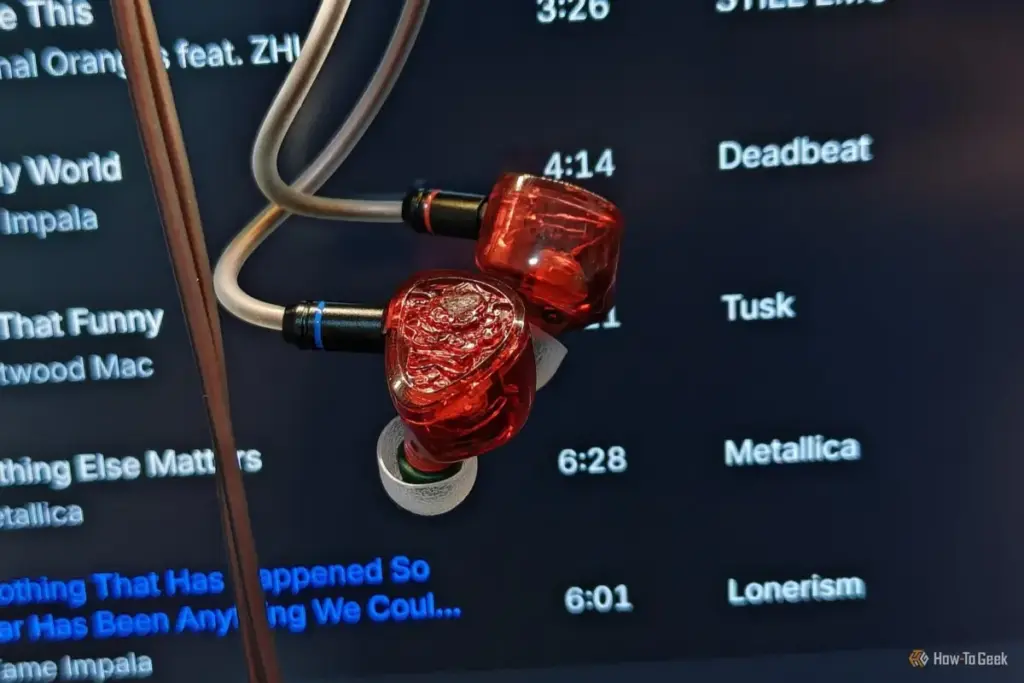
The resin shells used in many budget IEMs can feel more like toys than precision instruments. My experience with the Wan’er Red Lions provided a stark reminder of this reality. While I appreciated the aesthetic of the red resin and the lion graphic, the physical integrity of the unit was tested almost immediately. When I attempted to swap the eartips—which were fitted extremely tightly over the nozzle—the entire brass nozzle detached from the resin shell.
Upon inspection, I noticed only a minimal amount of adhesive residue holding the nozzle in place. While I was able to perform a surgical repair using a needle and a tiny amount of glue gel, the incident was a clear indicator of the manufacturing shortcuts taken to keep costs down. It is a common refrain in user reviews for these budget models: reports of nozzles falling off, cables fraying, or one side of the pair losing volume after a few months of use.
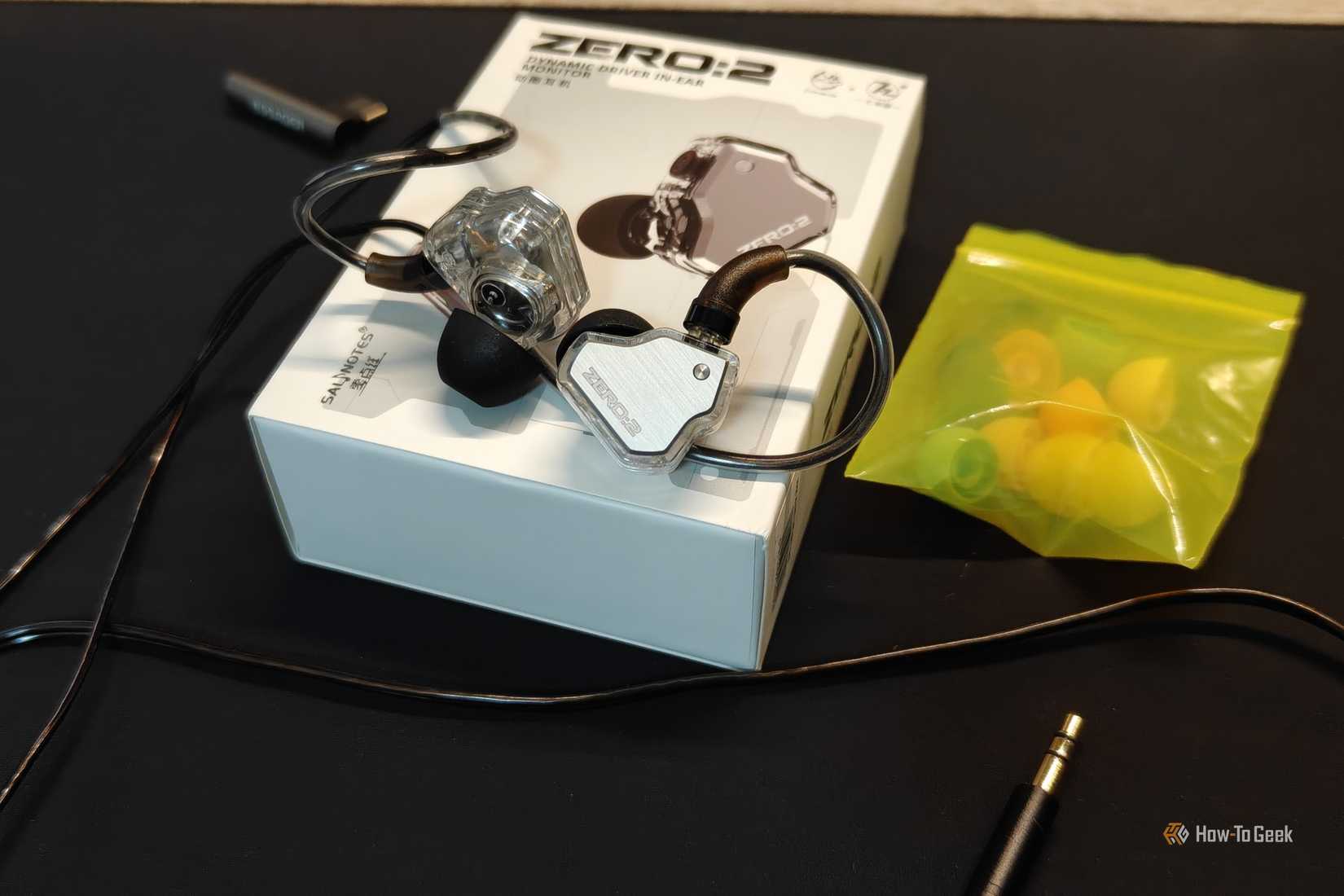
While these devices can theoretically last for years with meticulous care, they are clearly not built to the same industrial standards as their $500 counterparts. However, for many, this is a calculated risk. When a device costs $20, the pain of a potential failure is far easier to swallow than the failure of a multi-hundred-dollar investment.
From Impulse Buy to Emerging Obsession
What started as a whim has rapidly evolved into a genuine fascination with the IEM ecosystem. The hobby extends far beyond the earphones themselves; it involves a rabbit hole of aftermarket cables, specialized eartips made of various foams and medical-grade silicons, and portable Digital-to-Analog Converters (DACs) or "dongles" designed to extract every bit of performance from a smartphone’s USB-C port.
The democratization of high-quality audio through these budget IEMs has removed the elitist barrier to entry that once defined the audiophile community. It allows anyone with a modest budget to experiment with different sound signatures, learn about frequency response curves, and appreciate the art of sound engineering.
While I still cherish the expansive, airy sound of my open-back headphones for late-night listening sessions at home, my perspective on what constitutes "value" in audio has been permanently shifted. The fact that a $25 pair of in-ear monitors can stand toe-to-toe with established mid-range headphones is a testament to how far consumer technology has come. My impulse buy didn’t just give me a new way to listen to music; it gave me a front-row seat to a revolution in the audio industry—one where premium sound is finally accessible to everyone.
 Tech Tutorials & How-To Guides
Battle of the Store Brands: How Ryobi, Craftsman, and Hyper Tough Reshape the DIY Power Tool Market
In the modern landscape of home improvement, the barrier to entry for...
 Tech Tutorials & How-To Guides
Protecting Your Power: The Critical Importance of Proper Winter Storage for Ryobi Tool Batteries
As the autumn leaves finish falling and the first signs of frost...
 Tech Tutorials & How-To Guides
Fanttik B11 Pro Max Electric Air Duster Sees Significant Price Drop to $59.99 on Amazon
For tech enthusiasts, PC builders, and office workers alike, the battle against...






