
For the better part of two decades, the world of high-fidelity audio was governed by a simple, albeit expensive, axiom: if you wanted professional-grade sound, you had to pay professional-grade prices. As a long-time enthusiast who built a lifestyle around high-end speakers and open-back headphones, I subscribed to this philosophy without question. To me, In-Ear Monitors (IEMs) were either the tools of stage musicians or the playthings of wealthy audiophiles willing to drop four figures on a pair of resin-encased drivers. My loyalty remained with my reliable, airy over-ear setups, and I viewed the burgeoning market of budget wired earbuds with a healthy dose of skepticism.
However, the landscape of personal audio has undergone a radical transformation. In recent years, a segment of the market—often referred to as the sub-$30 wired audio category—has exploded in popularity, driven by manufacturing innovations and a new approach to acoustic tuning. After months of hearing the mounting hype from forums and tech circles, I decided to conduct a low-risk experiment. I purchased a pair of entry-level IEMs for the price of a modest dinner, fully expecting a mediocre experience. Instead, I found myself questioning the hundreds of dollars I had previously invested in "premium" gear.
A New Era of Acoustic Engineering at Scale
The concept of a "cheap" earphone used to be synonymous with tinny trebles, muddy bass, and a build quality that felt destined for a landfill within weeks. A decade ago, if a listener desired a balanced frequency response and technical detail in an IEM, their options were limited to established titans like Shure or Sennheiser, where entry-level professional models started at several hundred dollars.
The current market is unrecognizable by those old standards. Today, thanks to significant advances in computer-aided acoustic design and the ability to manufacture high-quality dynamic and balanced armature drivers at massive scale, the "budget" floor has been raised to an unbelievable height. The most startling realization for a newcomer is that the same brands producing flagship models costing upwards of $2,000—such as Moondrop with their Solis II—are also the ones perfecting the $20 entry-level market with models like the Moondrop Chu III. This trickle-down technology has democratized high-fidelity audio in a way that was previously unthinkable.
In my quest to see if the hype was justified, I looked toward the most praised models in the audiophile community. The list of contenders in the $20 to $30 range is surprisingly long, featuring names like the Tangzu Wan’er S.G., the 7Hz x Crinacle Zero, the Truthear Gate, and various iterations from KZ, such as the Castor and the ZST. What sets these apart from the "drugstore earbuds" of the past is their adherence to modern target-based tuning, such as the Harman Curve, which aims to replicate the sound signature that most listeners find naturally pleasing and balanced.
The Tangzu Wan’er S.G. II Experience: Unbelievable Bang for Your Buck
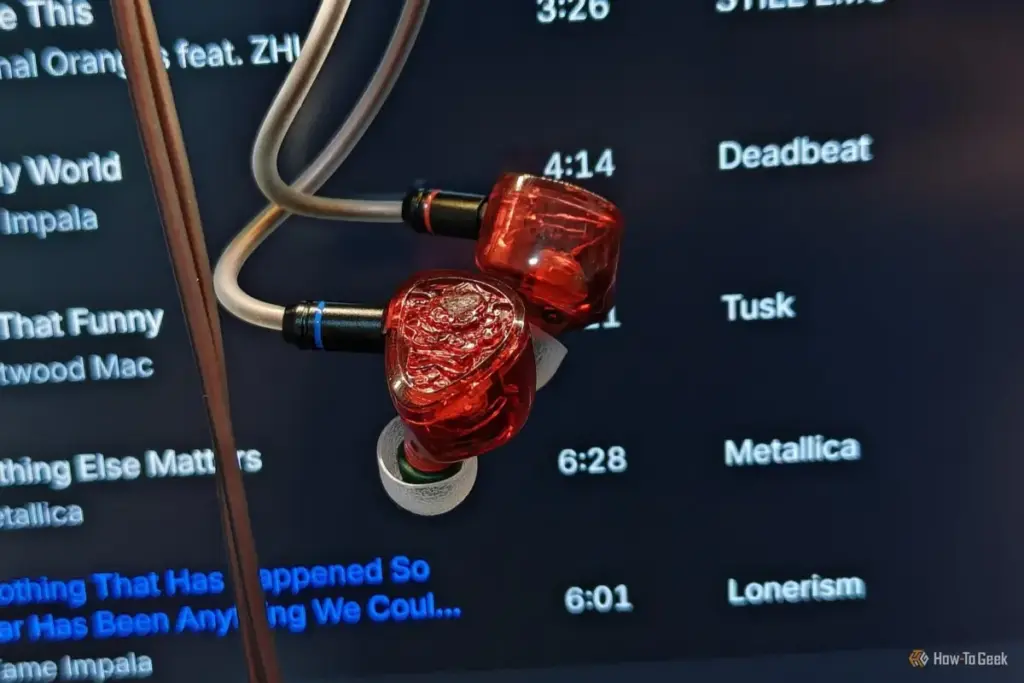
After extensive research, I settled on the Tangzu Wan’er S.G. II, specifically the Red Lion edition. My choice was driven partly by the reputation of its vocal clarity and partly by the sheer value of the bundle. For less than $30, the package felt like an anomaly. It included the IEMs themselves, a detachable cable, a silicone cable organizer, and two distinct sets of eartips.
The inclusion of the Tang Sancai wide-bore eartips was particularly noteworthy. In the specialized world of audio accessories, these tips can often retail for nearly half the price of the entire Wan’er bundle when purchased separately. They are designed to improve the soundstage and comfort, and seeing them included in a budget package felt like a statement of intent from the manufacturer.

The moment I achieved a proper seal and hit play, my skepticism evaporated. The sound quality was not just "good for $25"—it was objectively excellent. I found myself comparing them to my Sennheiser HD 599 over-ear headphones, a staple of my collection that retails for more than five times the price. While the open-back Sennheisers provide a wider, airier soundstage, the Wan’er IEMs offered a level of intimacy and "in-focus" detail that the larger headphones struggled to match.
The physics of the IEM design plays a significant role here. By creating a physical seal within the ear canal, these devices can deliver a precise and direct acoustic experience. The isolation from external noise further enhances the perceived detail, allowing the listener to pick up on subtle nuances in a recording that are often lost in the ambient bleed of open-back designs. While the sensation of having a device inserted into the ear canal can lead to physical fatigue over several hours, the lightweight nature of these modern resins makes them surprisingly wearable for extended sessions.
The Temptation of the "Collection"
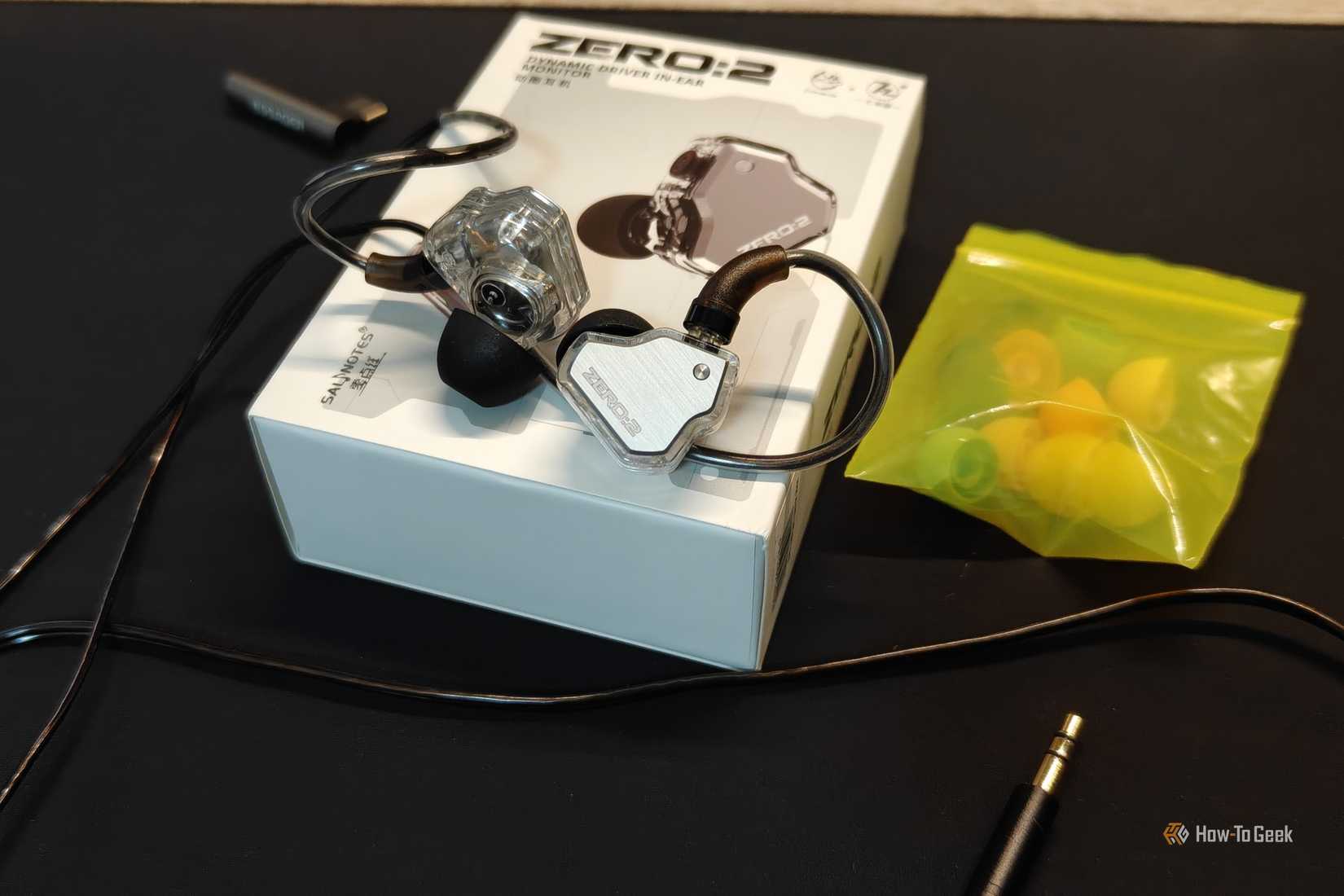
One of the most dangerous aspects of the budget IEM market is how easily it facilitates an obsession. Because the barrier to entry is so low, it is tempting to buy multiple pairs just to compare their "flavors." Minutes after my first session with the Wan’ers, I found myself back online, ordering the 7Hz x Crinacle Zero:2.
The Zero:2 is a fascinating case study in modern audio marketing. It is a collaboration with Crinacle, a prominent IEM reviewer and influencer known for his rigorous frequency response measurements. This collaboration brings a level of professional tuning expertise to a device that costs less than $25.
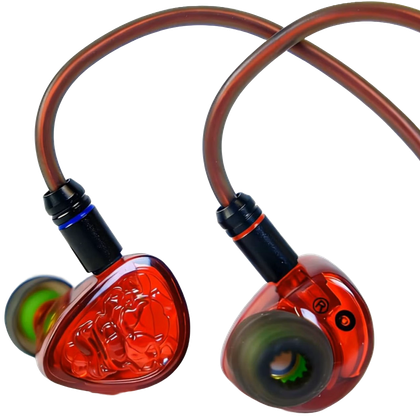
Comparing the two sets revealed the nuance available even at this price point. While the Wan’er Red Lions are "mid-forward," emphasizing vocals and the crunch of electric guitars, they can occasionally veer toward harshness at high volumes. In contrast, the Zero:2 offers a more neutral, "warm" signature with a satisfying bass thump that feels more energetic for electronic music and heavy metal. This discovery highlighted a key truth of the hobby: sound signature is deeply personal. There is no singular "best" earphone, but rather a spectrum of tuning styles that suit different genres and individual preferences.
The Compromises: Build Quality and Longevity
However, the path to affordable high-fidelity is not without its pitfalls. To reach these aggressive price points while maintaining high-quality internal drivers, manufacturers must inevitably cut corners elsewhere. This is most apparent in the build quality and quality control (QC) of the housings and accessories.
The resin shells used in many budget IEMs can feel more like toys than precision instruments. My experience with the Wan’er Red Lions provided a stark reminder of this reality. While I appreciated the aesthetic of the red resin and the lion graphic, the physical integrity of the unit was tested almost immediately. When I attempted to swap the eartips—which were fitted extremely tightly over the nozzle—the entire brass nozzle detached from the resin shell.
Upon inspection, I noticed only a minimal amount of adhesive residue holding the nozzle in place. While I was able to perform a surgical repair using a needle and a tiny amount of glue gel, the incident was a clear indicator of the manufacturing shortcuts taken to keep costs down. It is a common refrain in user reviews for these budget models: reports of nozzles falling off, cables fraying, or one side of the pair losing volume after a few months of use.
While these devices can theoretically last for years with meticulous care, they are clearly not built to the same industrial standards as their $500 counterparts. However, for many, this is a calculated risk. When a device costs $20, the pain of a potential failure is far easier to swallow than the failure of a multi-hundred-dollar investment.
From Impulse Buy to Emerging Obsession
What started as a whim has rapidly evolved into a genuine fascination with the IEM ecosystem. The hobby extends far beyond the earphones themselves; it involves a rabbit hole of aftermarket cables, specialized eartips made of various foams and medical-grade silicons, and portable Digital-to-Analog Converters (DACs) or "dongles" designed to extract every bit of performance from a smartphone’s USB-C port.
The democratization of high-quality audio through these budget IEMs has removed the elitist barrier to entry that once defined the audiophile community. It allows anyone with a modest budget to experiment with different sound signatures, learn about frequency response curves, and appreciate the art of sound engineering.
While I still cherish the expansive, airy sound of my open-back headphones for late-night listening sessions at home, my perspective on what constitutes "value" in audio has been permanently shifted. The fact that a $25 pair of in-ear monitors can stand toe-to-toe with established mid-range headphones is a testament to how far consumer technology has come. My impulse buy didn’t just give me a new way to listen to music; it gave me a front-row seat to a revolution in the audio industry—one where premium sound is finally accessible to everyone.
 Tech Tutorials & How-To Guides
The Fedora Paradox: Why the Industry’s Favorite Linux Distribution Still Feels Like an Unfinished Product
Fedora has long occupied a prestigious, if somewhat contradictory, position within the...
 Tech Tutorials & How-To Guides
High-Octane Streaming: Four Netflix Miniseries to Transform Your Cardio Routine
The psychological challenge of the treadmill is a familiar hurdle for fitness...
 Tech Tutorials & How-To Guides
Reliability Without the Premium Price: The Evolution of Affordable Multi-Tools for Modern Everyday Carry
The concept of "Everyday Carry," or EDC, has evolved from a niche...







