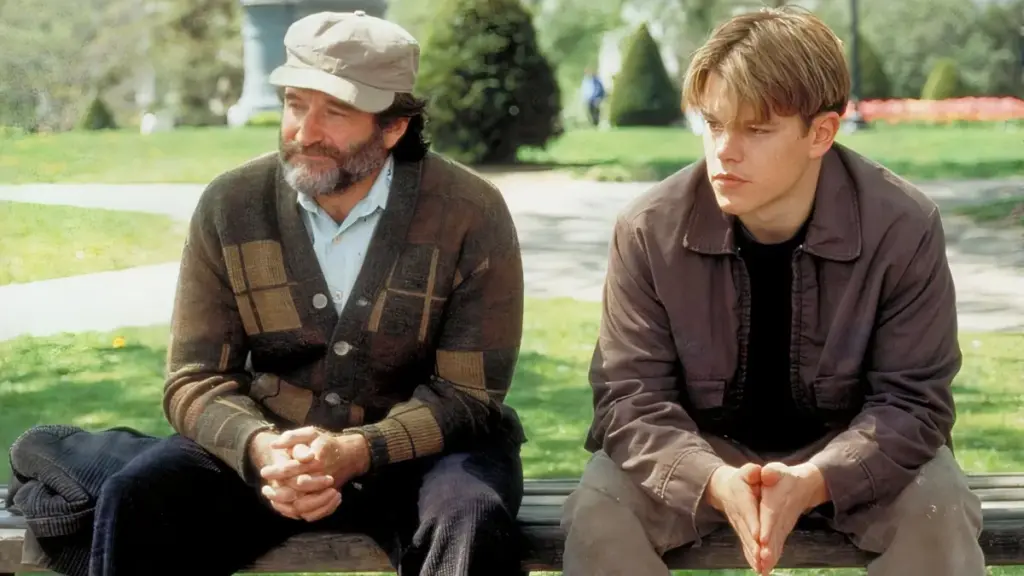
The landscape of modern cinema is often dominated by the ephemeral—the latest high-budget superhero spectacle or the viral streaming hit that captures the public consciousness for a weekend before fading into the digital background. However, the true power of film lies in its ability to transcend the era of its creation. Certain movies do more than merely entertain for a two-hour runtime; they weave themselves into the cultural fabric, offering timeless stories that remain as provocative and moving today as they were upon their initial release.
Classic cinema serves as a mirror to the human condition, introducing us to unforgettable characters and challenging our perceptions of society, love, and the self. Whether through the lens of a heartfelt romantic comedy, a visceral psychological thriller, or a stirring drama, these films earn their place in history by speaking to universal truths. For those who have yet to experience these essential works, the following selections represent a diverse cross-section of storytelling excellence that every viewer should experience at least once.
Sleepless in Seattle: A Masterclass in Romantic Destiny
While the cinematic canon often leans toward the heavy and the avant-garde, the romantic comedy genre holds a vital place in film history, with Nora Ephron’s Sleepless in Seattle standing as one of its most enduring pillars. Released in 1993, the film arrived during a "golden age" for the genre, yet it distinguished itself by leaning into the melancholy of loss as much as the hope of new beginnings.
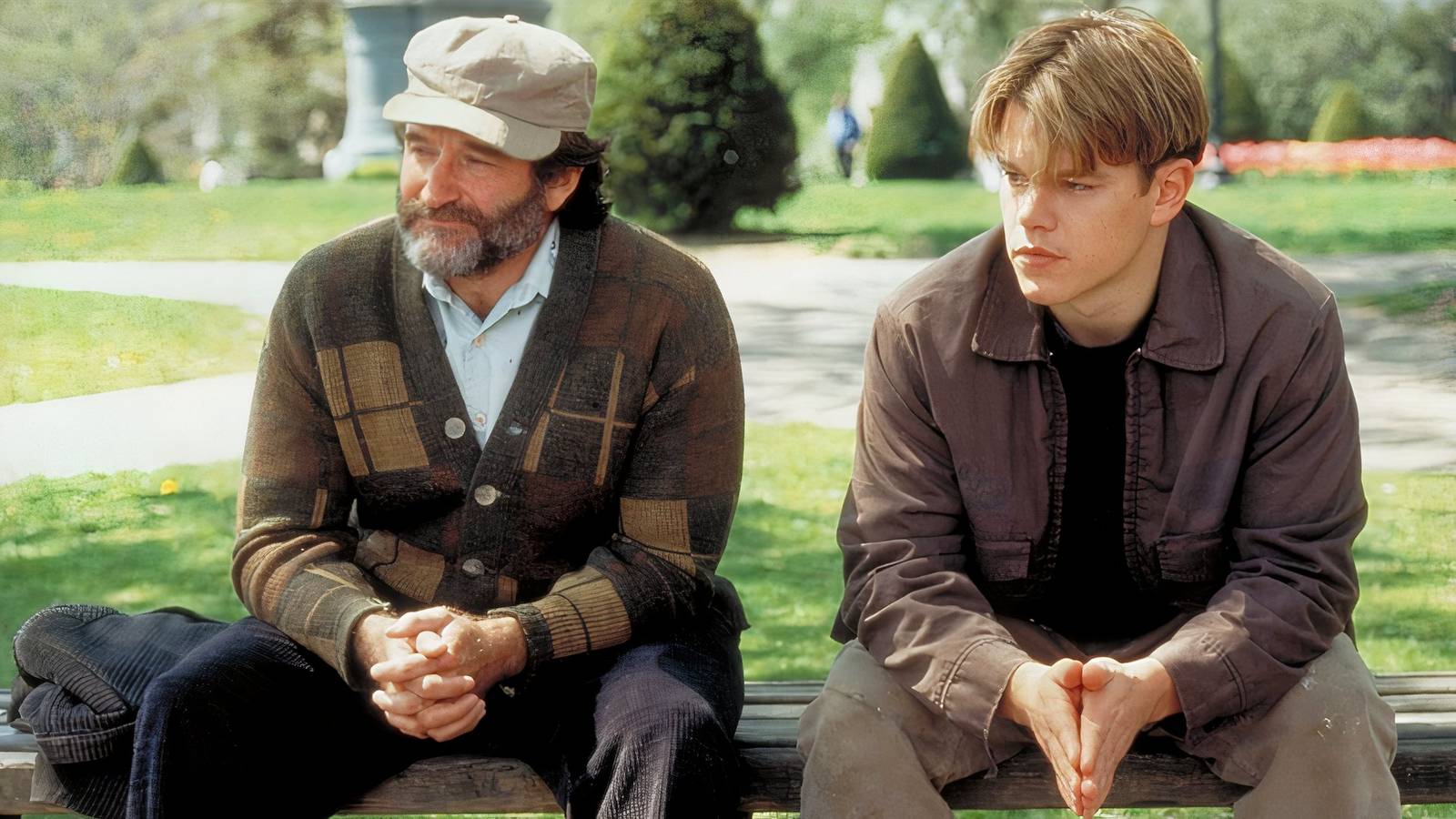
The narrative follows Sam Baldwin, portrayed by Tom Hanks with a grounded vulnerability that would become his trademark. Following the death of his wife, Sam relocates to Seattle with his young son, Jonah, seeking a fresh start in a city defined by its quiet, rain-slicked atmosphere. The story takes flight when Jonah calls into a national radio talk show, prompting Sam to speak candidly about his grief and his enduring love for his late wife. This moment of raw honesty captivates thousands of listeners, including Annie Reed (Meg Ryan), a Baltimore-based journalist who becomes convinced that she and Sam are destined to meet.
What makes Sleepless in Seattle a classic is its restraint. In an era of high-concept romances, Ephron crafted a story where the two leads spend almost the entire film apart. It explores the idea of "magic" and destiny without veering into the overly saccharine, balancing its whimsy with a realistic depiction of the long tail of grief. It serves as a reminder that love is often a matter of timing and the courage to take a leap of faith, even when the logic of the world suggests otherwise.
Fight Club: A Subversive Critique of the Modern Age
If Sleepless in Seattle represents the heart of the 1990s, David Fincher’s Fight Club represents its fractured, disenfranchised soul. When the film debuted at the Venice Film Festival in 1999, it was met with a polarizing reception that included audible boos from the audience. Critics were deeply divided, and its initial box office performance was modest at best. However, in the decades since, Fight Club has undergone a massive critical reappraisal, evolving from a misunderstood cult oddity into what many consider one of the most prophetic critiques of consumerist culture ever filmed.
Based on the novel by Chuck Palahniuk, the film utilizes an unreliable narrator—played with twitchy, sleep-deprived intensity by Edward Norton—to navigate a world of corporate blandness and spiritual emptiness. The Narrator’s life is a revolving door of IKEA furniture and unfulfilling office work until he meets Tyler Durden (Brad Pitt), a charismatic, soap-selling nihilist who advocates for the destruction of the self through physical violence and the rejection of societal norms.
 Tech Tutorials & How-To Guides
Streaming Transitions: Navigating the Major Movie Departures from Netflix This November
The modern streaming landscape is often defined by a sense of abundance,...
 Tech Tutorials & How-To Guides
Google Transitions Beyond Chromebooks: A Deep Look at the New Googlebook OS and Its Enhanced Local File Management
The landscape of portable computing has undergone a seismic shift with the...
 Tech Tutorials & How-To Guides
Haiku OS R1/Beta 6: A Compelling Case for Breathing New Life into Aging Hardware
For years, the standard recommendation for any computer deemed too slow for...