The landscape of modern cinema is often dominated by the ephemeral—the latest high-budget superhero spectacle or the viral streaming hit that captures the public consciousness for a weekend before fading into the digital background. However, the true power of film lies in its ability to transcend the era of its creation. Certain movies do more than merely entertain for a two-hour runtime; they weave themselves into the cultural fabric, offering timeless stories that remain as provocative and moving today as they were upon their initial release.
Classic cinema serves as a mirror to the human condition, introducing us to unforgettable characters and challenging our perceptions of society, love, and the self. Whether through the lens of a heartfelt romantic comedy, a visceral psychological thriller, or a stirring drama, these films earn their place in history by speaking to universal truths. For those who have yet to experience these essential works, the following selections represent a diverse cross-section of storytelling excellence that every viewer should experience at least once.
Sleepless in Seattle: A Masterclass in Romantic Destiny
While the cinematic canon often leans toward the heavy and the avant-garde, the romantic comedy genre holds a vital place in film history, with Nora Ephron’s Sleepless in Seattle standing as one of its most enduring pillars. Released in 1993, the film arrived during a "golden age" for the genre, yet it distinguished itself by leaning into the melancholy of loss as much as the hope of new beginnings.
The narrative follows Sam Baldwin, portrayed by Tom Hanks with a grounded vulnerability that would become his trademark. Following the death of his wife, Sam relocates to Seattle with his young son, Jonah, seeking a fresh start in a city defined by its quiet, rain-slicked atmosphere. The story takes flight when Jonah calls into a national radio talk show, prompting Sam to speak candidly about his grief and his enduring love for his late wife. This moment of raw honesty captivates thousands of listeners, including Annie Reed (Meg Ryan), a Baltimore-based journalist who becomes convinced that she and Sam are destined to meet.
What makes Sleepless in Seattle a classic is its restraint. In an era of high-concept romances, Ephron crafted a story where the two leads spend almost the entire film apart. It explores the idea of "magic" and destiny without veering into the overly saccharine, balancing its whimsy with a realistic depiction of the long tail of grief. It serves as a reminder that love is often a matter of timing and the courage to take a leap of faith, even when the logic of the world suggests otherwise.
Fight Club: A Subversive Critique of the Modern Age
If Sleepless in Seattle represents the heart of the 1990s, David Fincher’s Fight Club represents its fractured, disenfranchised soul. When the film debuted at the Venice Film Festival in 1999, it was met with a polarizing reception that included audible boos from the audience. Critics were deeply divided, and its initial box office performance was modest at best. However, in the decades since, Fight Club has undergone a massive critical reappraisal, evolving from a misunderstood cult oddity into what many consider one of the most prophetic critiques of consumerist culture ever filmed.
Based on the novel by Chuck Palahniuk, the film utilizes an unreliable narrator—played with twitchy, sleep-deprived intensity by Edward Norton—to navigate a world of corporate blandness and spiritual emptiness. The Narrator’s life is a revolving door of IKEA furniture and unfulfilling office work until he meets Tyler Durden (Brad Pitt), a charismatic, soap-selling nihilist who advocates for the destruction of the self through physical violence and the rejection of societal norms.

The film’s legacy is often complicated by those who misinterpret its message as an endorsement of the toxic behaviors it depicts. In reality, Fight Club is a dark satire that warns against the dangers of charismatic authoritarianism and the "muscle fragility" of men who feel abandoned by a society that prioritizes products over people. Its visual style, characterized by Fincher’s meticulous, grimy aesthetic, and its exploration of mental health and identity, remain strikingly relevant in a modern era defined by digital isolation and social upheaval.
Good Will Hunting: The Intersection of Genius and Vulnerability
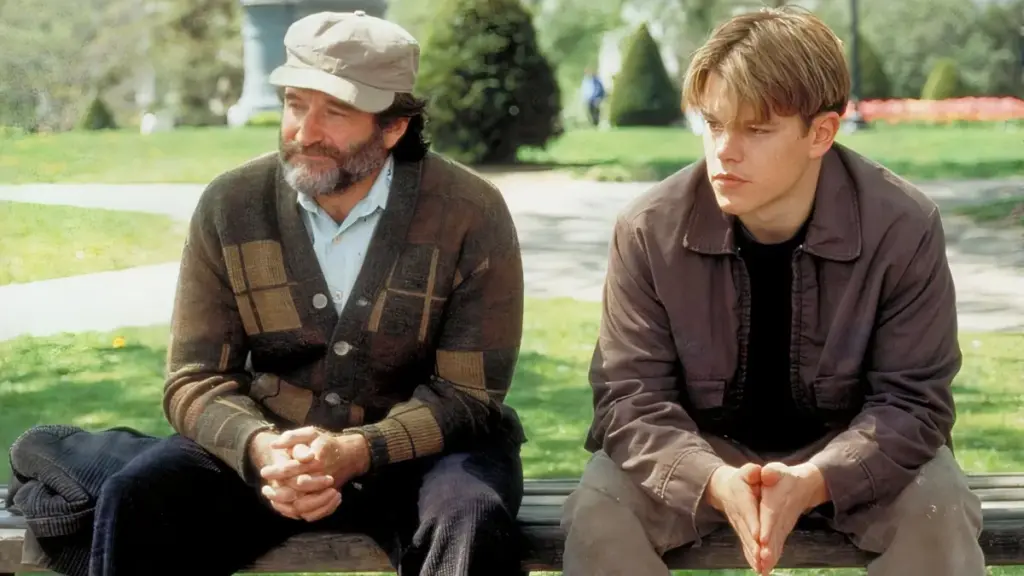
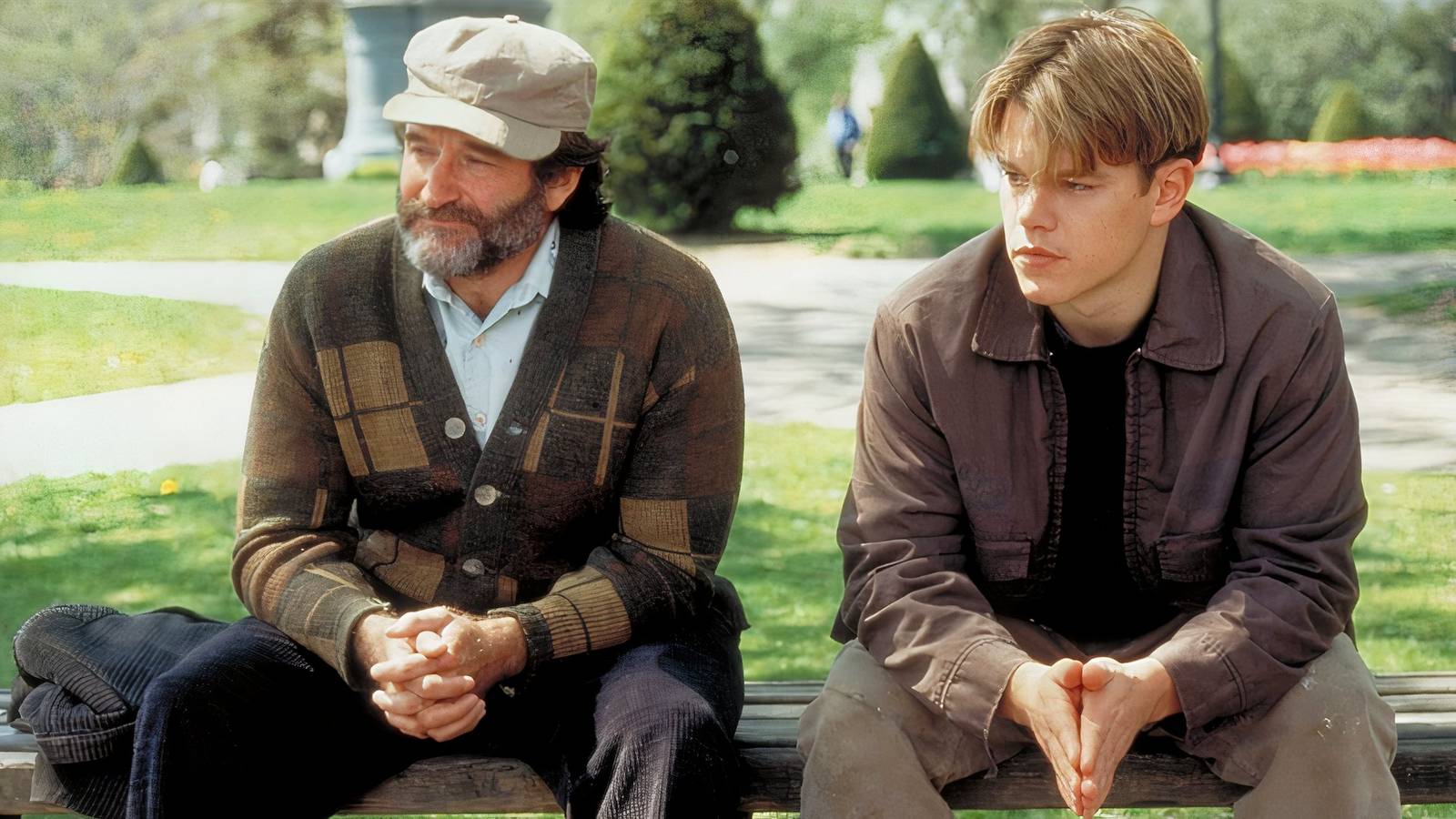
In 1997, a low-budget drama titled Good Will Hunting became the ultimate "Cinderella story" of Hollywood. Co-written by and starring two relatively unknown actors from Boston, Matt Damon and Ben Affleck, the film defied industry expectations to become a critical and commercial juggernaut. It was a project born of necessity and passion, and that earnestness radiates through every frame.
The story centers on Will Hunting, a 20-year-old janitor at MIT who possesses a genius-level intellect for mathematics but is held back by the trauma of his past and a deep-seated fear of abandonment. When he is discovered solving an "impossible" proof on a chalkboard, he is forced into a deal: study mathematics under a prestigious professor or face jail time for his involvement in a street fight. The catch is that he must also attend therapy.
The emotional core of the film is the relationship between Will and his therapist, Sean Maguire, played by Robin Williams in a career-defining, Oscar-winning performance. Moving away from his manic comedic roots, Williams delivered a performance of profound stillness and empathy. The film’s most famous sequences—including the "It’s not your fault" scene—are masterclasses in screenwriting and acting, illustrating the difficult process of tearing down emotional walls. Good Will Hunting is a timeless testament to the importance of mentorship, the burden of potential, and the transformative power of choosing to be vulnerable.

American Psycho: A Satirical Descent into the Void
Released at the dawn of the new millennium, Mary Harron’s American Psycho is a film that continues to be debated and dissected. Like Fight Club, it features a notoriously unreliable narrator and offers a scathing indictment of the materialistic impulses of the late 20th century. Christian Bale stars as Patrick Bateman, a wealthy investment banker in 1980s Manhattan whose life is a meticulously curated performance of success.
Bateman is the ultimate "empty suit." He spends his mornings on an arduous skincare routine and his days obsessing over the font and texture of his colleagues’ business cards. Underneath this veneer of designer suits and high-end restaurant reservations, however, lies a void of homicidal rage and profound insecurity. The film uses Bateman’s descent into madness to satirize the "yuppie" culture of the Reagan era, where superficiality was the only currency that mattered.
What sets American Psycho apart is its tone. Harron infuses the gruesome subject matter with a dry, pitch-black sense of humor that highlights the absurdity of Bateman’s world. Bale’s performance is nothing short of transformative, capturing the character’s transition from a suave professional to a sweating, desperate creature. The film serves as a chilling reminder of how toxic conformity and the pursuit of status can erode the human soul, making it a permanent fixture in discussions regarding the dark side of the American Dream.
Dead Poets Society: The Enduring Call of the "Carpe Diem"
Few films have captured the spark of intellectual awakening as vividly as Peter Weir’s 1989 drama Dead Poets Society. Set in the conservative, rigid environment of Welton Academy in the late 1950s, the film stars Robin Williams as John Keating, an unconventional English teacher who arrives at the boarding school to challenge his students’ preconceptions about life and art.

Keating uses the power of poetry to urge his pupils to "Seize the day"—Carpe Diem—and to make their lives extraordinary. The film provided a breakout platform for young actors like Ethan Hawke and Robert Sean Leonard, who portrayed students struggling to balance the crushing weight of parental expectations with their burgeoning desires for self-expression.
Dead Poets Society is more than just a "teacher movie"; it is a celebration of the humanities and a defense of the idea that art is essential to the human experience. It posits that while medicine, law, and business are noble pursuits necessary to sustain life, poetry, beauty, romance, and love are what we stay alive for. The film’s tragic turns and its iconic "O Captain! My Captain!" finale have left an indelible mark on cinema, serving as an inspiration for generations to look beyond the status quo and find deeper meaning in the world around them.
The Lasting Impact of Simple Stories
The films mentioned above represent a wide array of genres and eras, yet they share a common thread: they are rooted in the power of the human narrative. In an industry that is increasingly reliant on sequels, reboots, and complex cinematic universes, these classics stand as a reminder that the most impactful stories are often the most personal.
Whether it is the quiet hope of a man in Seattle, the chaotic rebellion of a bored office worker, or the intellectual awakening of a group of schoolboys, these movies offer insights that do not age. They challenge us to reflect on our own lives, our society, and our relationships. In the end, that is the true hallmark of a classic—not just that it was successful in its time, but that it continues to speak to us across the years, inviting us to see the world through a different, more profound lens. For any lover of film, these are not just movies to be watched; they are experiences to be lived.
 Tech Tutorials & How-To Guides
The DIY Smart Home Revolution: How Enthusiasts Are Building Premium Hardware for a Fraction of the Retail Cost
The promise of the modern smart home has always been one of...
 Tech Tutorials & How-To Guides
Amazon Launches Major Discounts on CMF by Nothing Audio Lineup Ahead of Black Friday
As the holiday shopping season approaches, the competition in the consumer electronics...
 Tech Tutorials & How-To Guides
Protecting Your Power: The Critical Importance of Proper Winter Storage for Ryobi Tool Batteries
As the autumn leaves finish falling and the first signs of frost...