

The cadence of breakthroughs in the quantum computing sector has reached a fever pitch, with significant milestones in error correction, fault tolerance, and hardware architecture now appearing on a near-weekly basis. As the industry moves beyond the theoretical and into the realm of practical engineering, the focus is shifting from simple qubit counts to the creation of robust, full-stack ecosystems. This transition is being driven by a realization among both vendors and enterprise users that the path to quantum advantage requires a seamless integration of specialized hardware, sophisticated software, and classical high-performance computing (HPC) infrastructure.
For global enterprises, the rapid maturation of quantum technology is no longer a peripheral concern. Organizations across diverse sectors—from pharmaceuticals to logistics—are increasingly investigating how they can leverage current quantum capabilities while preparing for the arrival of more scalable, fault-tolerant systems. According to a recent analysis by global consultancy McKinsey & Co, more than 300 organizations worldwide are already actively collaborating with quantum computing providers, with many more engaged in internal experimentation.
The consensus among business leaders has shifted significantly. Many now acknowledge that quantum technology is advancing more quickly than previously anticipated, prompting a reevaluation of strategic roadmaps to secure early competitive advantages. McKinsey’s reporting suggests that quantum technology companies are hitting technical milestones ahead of their own internal schedules. With ambitious roadmaps now placing the arrival of fault-tolerant quantum computing within the next few years, the pressure on enterprises to develop internal expertise and integrate these systems into existing workflows has intensified.

This shift in urgency is reflected in the evolving strategies of the industry’s leading vendors. There is a clear move toward offering full-stack solutions that encompass more than just the underlying quantum processing units (QPUs). Modern quantum offerings now include comprehensive software suites, sophisticated developer tools, and advanced capabilities for hybrid environments that blend quantum and classical resources. The goal is to provide a complete package that includes AI integrations and specialized APIs for optimization, making the technology more accessible to a broader range of developers and researchers.
A prime example of this industry-wide pivot was Intel’s recent $2.3 billion acquisition of quantum software specialist Classiq. The deal, finalized late last month, signaled Intel’s intent to transition from a decade-long research focus to a commercial business model. Pushkar Ranade, Intel’s Chief Technology Officer, noted that while the company has spent ten years refining quantum chips and software development kits (SDKs) as part of a research-and-development phase, the integration of Classiq represents a definitive move into the actual quantum computing business.
 Enterprise Tech & Infrastructure
The Evolution of the Data Center: Understanding the Rise and Role of Hyperconverged Storage
In the rapidly shifting landscape of enterprise technology, the traditional silos of...
 Enterprise Tech & Infrastructure
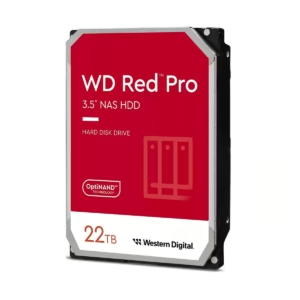
The Critical Role of Enterprise Hard Drives in Modern Data Infrastructure: A Comprehensive Review of the Top 2023 Solutions
In the rapidly evolving landscape of digital infrastructure, enterprise hard drives remain...
 Enterprise Tech & Infrastructure
The Architecture of Modern Storage: Navigating the Technical Nuances of Flash and Solid-State Drives
In the rapidly evolving landscape of data storage, terms like "Flash" and...







