
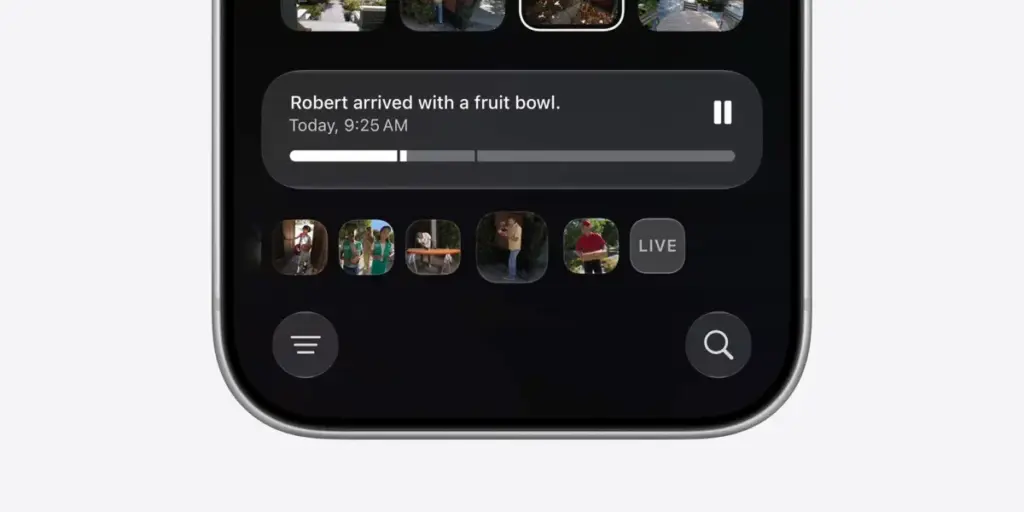
As Apple continues to integrate its sophisticated "Apple Intelligence" framework across its ecosystem, the company is beginning to clarify the hardware and service requirements for its next generation of smart home features. While the promise of a more intuitive, AI-driven Home app was a highlight of this year’s Worldwide Developers Conference (WWDC), new details emerging from the latest software betas suggest that the most advanced home security features will come with a mandatory monthly cost.
Hidden within the technical documentation and release notes for macOS 27 beta 3 is a significant caveat for users of HomeKit Secure Video. According to the release notes, the new AI-powered security camera features—including intelligent notification summaries and advanced video search—will require a 2TB iCloud+ subscription. This requirement, which also applies to users on iOS 27 and iPadOS 27, marks a shift in how Apple gates its premium software capabilities, tying them directly to its highest-tier storage and services plan.
The discovery has sparked a debate among smart home enthusiasts and privacy advocates. For years, Apple’s HomeKit Secure Video (HKSV) has been marketed as a more private and often more cost-effective alternative to the subscription-heavy models of competitors like Amazon-owned Ring or Google’s Nest. By mandating a $9.99 per month subscription for these new AI enhancements, Apple is moving closer to the industry standard of "features-as-a-service," a move that some find disappointing given the premium price of Apple hardware.
The Evolution of the Home App via Apple Intelligence
At WWDC, Apple showcased a vision for the Home app that aimed to solve one of the most persistent problems in smart home technology: notification fatigue. In the current iteration of the Home app, a single event—such as a family member returning home—can trigger a relentless barrage of alerts. A user might receive a notification when the driveway camera spots a car, another when the garage door opens, a third when the door closes, and several more as the individual moves from the front porch into the hallway.
Under the new system powered by Apple Intelligence, these fragmented data points are synthesized into a single, coherent narrative. Instead of six distinct pings, the system provides a solitary, intelligent summary: "Robert arrived home with a fruit bowl." This level of contextual awareness is designed to make the smart home feel less like a collection of sensors and more like an assistant that understands the nuance of daily life.
Beyond notification management, Apple is also introducing significant upgrades to the visual quality and utility of HomeKit Secure Video. For the first time, the service will support 4K resolution, a long-awaited jump from the 1080p limit that has hampered HKSV compared to rival platforms. This increase in resolution is paired with "generated video descriptions," which allow users to read a text summary of what occurred in a clip without having to watch the footage manually.
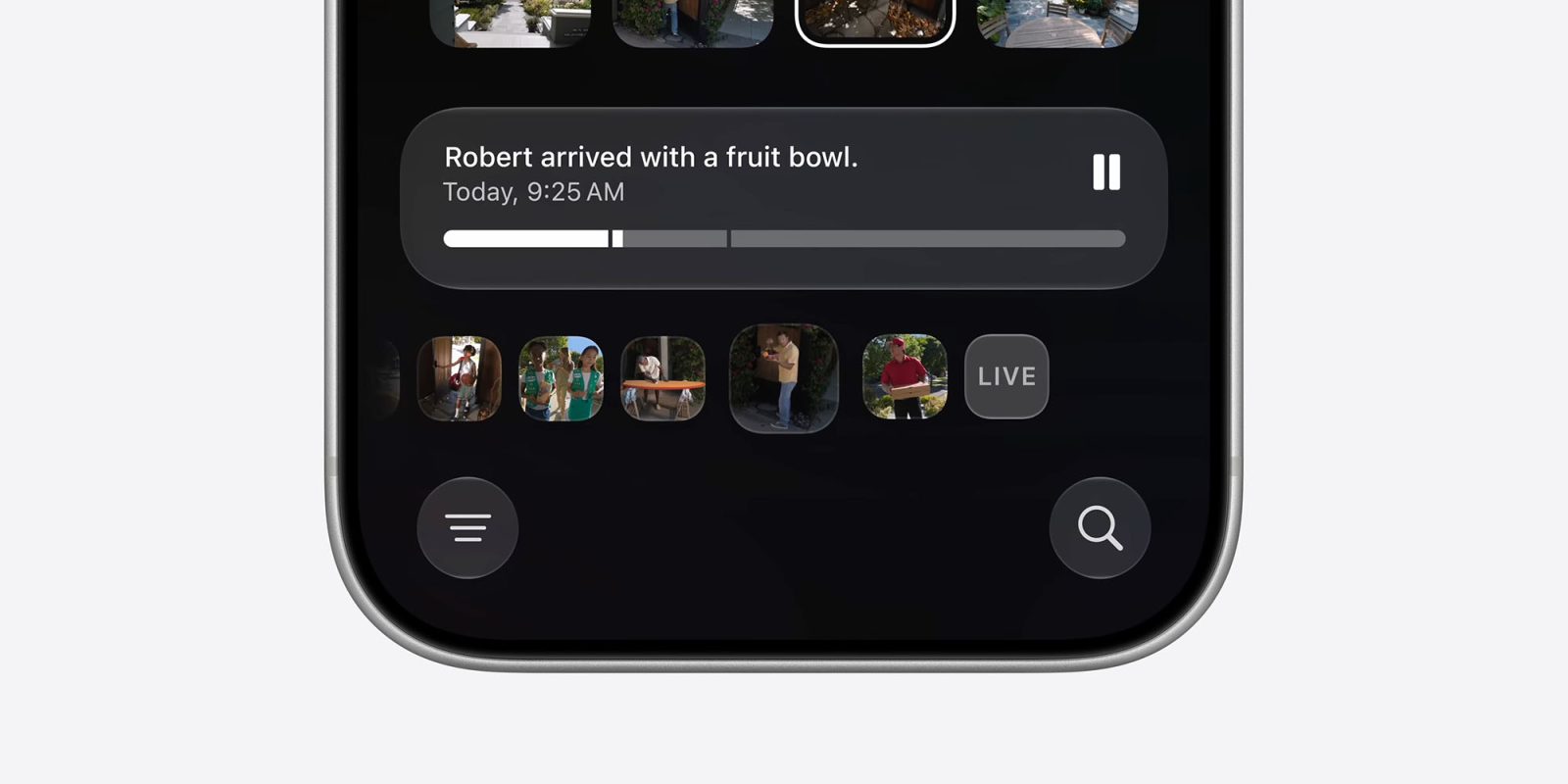
Furthermore, Apple is implementing a semantic search capability for camera footage. Users will be able to query their history for specific events, such as "show me when the UPS truck arrived" or "find clips of the dog in the garden." The Home app will also feature a curated "Search" page that highlights noteworthy clips—such as a package delivery or an unrecognized visitor—ensuring that important moments do not get lost in a sea of mundane motion events.
 Smart Home & IoT Solutions
Controller for HomeKit Introduces "Just Say It" AI Feature to Streamline Complex Smart Home Automations
The landscape of smart home management is undergoing a significant transformation as...
 Smart Home & IoT Solutions
Apple Poised to Enter Smart Home Display Market with iMac G4-Inspired Hub
In a move that marks a significant expansion of its hardware ecosystem,...
 Smart Home & IoT Solutions
Abode Expands Smart Home Security Ecosystem with New Apple Home-Compatible Garage and Outdoor Sensors
In an era where the boundary between professional-grade security and do-it-yourself convenience...







