
In the days immediately preceding the election, market researchers and analysts finalized revisions to their IT spending forecasts for 2026 and offered their inaugural projections for 2027. The data suggests that 2027 is shaping up to be a landmark year for the technology sector, characterized by unprecedented levels of investment. While the immediate future looks lucrative, a growing number of prognosticators suggest that the market may be approaching a peak. This potential plateau is not attributed to a lack of demand—which remains at historic highs—but rather to a brewing "perfect storm" of political and physical constraints.
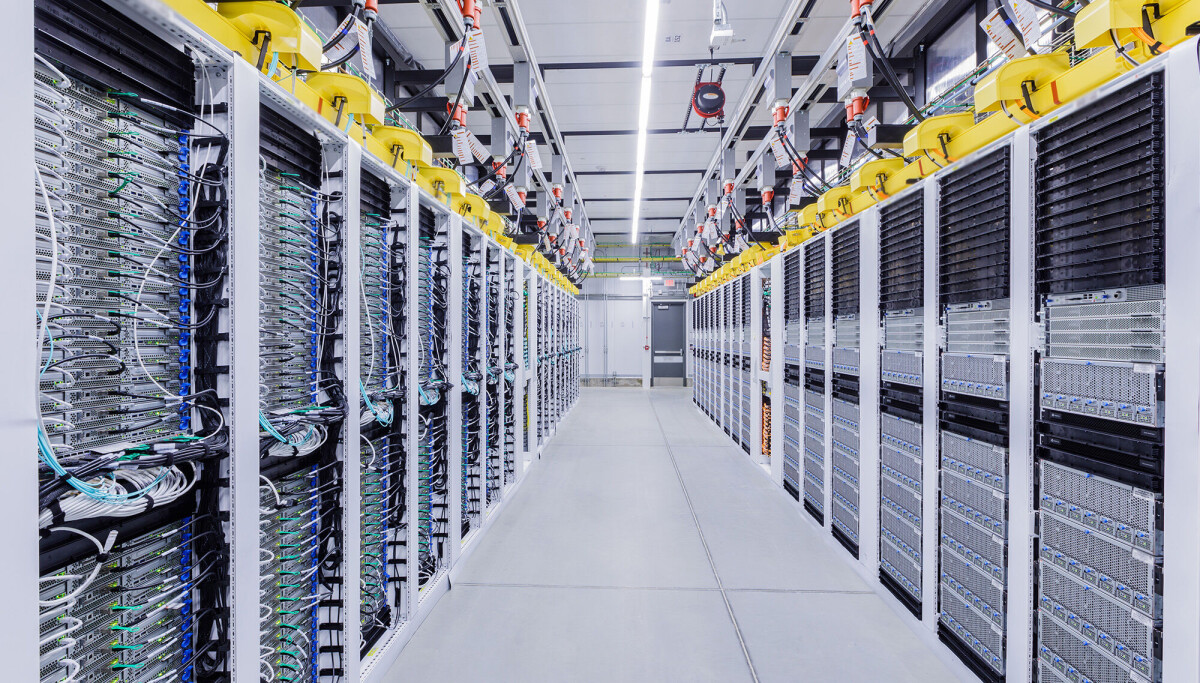
There is a rising tide of political opposition directed at the world’s largest technology titans, specifically concerning the land, water, and energy requirements of their massive datacenter campuses. Simultaneously, a sobering reality is setting in regarding the global energy grid. It is becoming increasingly doubtful that electricity generation and distribution infrastructure can be expanded quickly enough to satisfy the projected needs of the datacenter industry by the end of the decade. While 2030 is often cited as the critical breaking point, some analysts believe the friction will become palpable as early as 2028.
Predicting the landscape of 2028 remains a fraught exercise. The current economic and geopolitical data is characterized by a high degree of volatility, making any forecast extending beyond the next twelve to eighteen months inherently speculative. Nevertheless, these long-range projections from firms like Gartner and IDC serve as the foundational blueprints upon which global enterprises base their annual IT budgets. Understanding how these forecasts evolve and how growth is distributed across different market segments is essential for grasping the current state of the global economy.
A significant refinement in the latest Gartner forecast for November 2026 is the isolation of Infrastructure as a Service (IaaS) from the broader IT services category. This adjustment allows for a much clearer view of the "cloudy" side of the ledger, specifically the rental of compute, storage, and networking capacity. By separating these rentals from traditional consulting and support services, analysts can now perform a more accurate comparison between the sale of physical datacenter systems—comprising servers, storage, and networking hardware—and the leasing of that same capacity through cloud providers.
This granular view reveals a dramatic shift in spending patterns. For over a decade, enterprise software revenues typically doubled or tripled the amount spent on datacenter systems. However, the emergence of generative artificial intelligence has fundamentally altered this ratio. The sheer cost of AI-specialized hardware, combined with the massive investment required to upgrade the transactional back-office and data-intensive front-office systems that feed AI models, has pushed hardware spending to a new frontier.
 Enterprise Tech & Infrastructure
AMD Extends Lead in Datacenter Dominance with Launch of Sixth-Generation "Venice" Epyc Processors
The trajectory of the modern datacenter has, for the past decade, been...
 Enterprise Tech & Infrastructure
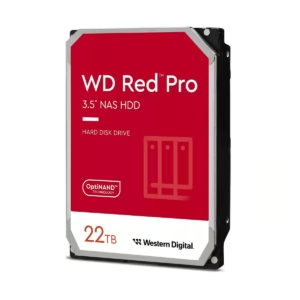
The Pillars of Data Infrastructure: A Comprehensive Evaluation of the Top Enterprise Hard Drives for 2023
In the modern landscape of digital infrastructure, the demand for robust, high-capacity...
 Enterprise Tech & Infrastructure
The Architecture of Modern Storage: Navigating the Technical Nuances of Flash Memory and Solid-State Drives
In the rapidly evolving landscape of data storage, the terminology used to...







