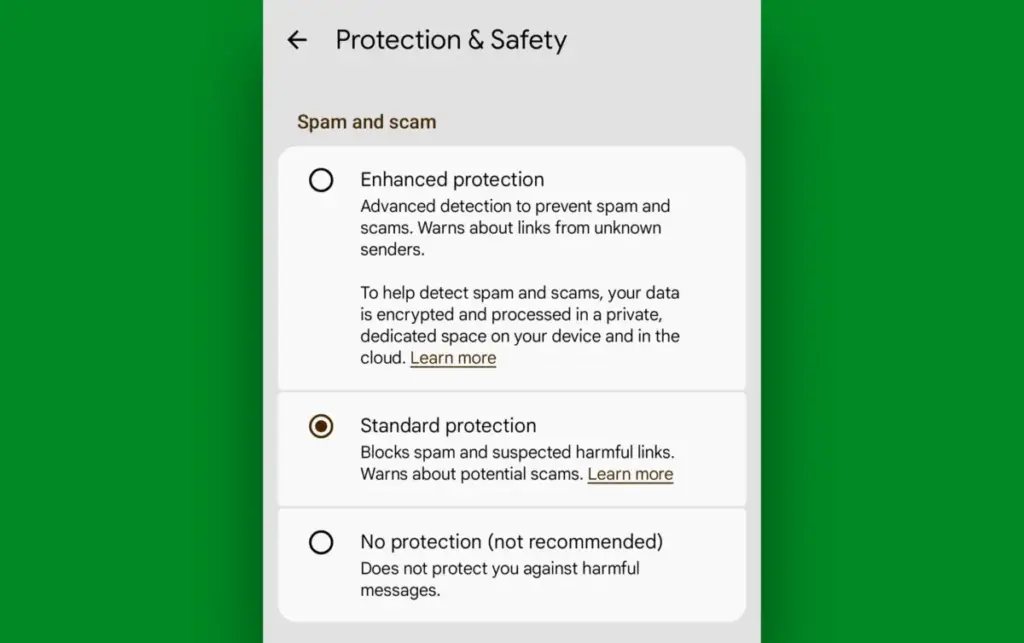
In the modern digital landscape, the most sophisticated firewall or biometric lock is often no match for the simplest of vulnerabilities: the human element. As mobile devices become the central hubs for both personal and professional lives, cybercriminals have shifted their focus away from brute-force attacks on hardware and toward the psychological manipulation of users. From the long-standing threat of phishing to the more modern iterations of "smishing" and "vishing," the tactics used to deceive individuals into surrendering sensitive information are evolving at a staggering rate.
The latest addition to this arsenal of deception is "quishing"—a portmanteau of QR codes and phishing—where attackers replace legitimate QR codes in public spaces with malicious ones designed to harvest credentials or install malware. With the rise of easily accessible generative AI, these scams have become more polished, harder to detect, and increasingly personalized. In response to this shifting threat landscape, Google is rolling out a significant update to its Android security suite, introducing an "Enhanced Protection" mode within the Google Messages app. This feature, which is currently available for those who know where to look, provides a critical layer of defense designed to intervene at the exact moment a user’s judgment might falter.
The Evolving Landscape of Social Engineering
The reality of contemporary mobile security is that even the most tech-savvy individuals are susceptible to well-timed social engineering. A distracted moment while commuting, a sense of urgency created by a fake banking alert, or a convincing delivery notification can lead anyone to click a link they would otherwise ignore. The industry has seen a massive surge in these "human-centric" threats because they bypass traditional technical safeguards.
Smishing (SMS phishing) has become particularly prevalent as users tend to trust text messages more than emails. Vishing (voice phishing) uses the intimacy of a phone call to pressure victims, and now, quishing leverages the ubiquity of QR codes in the post-pandemic world. The introduction of AI into these schemes allows scammers to generate flawless, professional-sounding messages in any language, removing the grammatical red flags that once served as the primary warning signs for users.
Given these conditions, the consensus among security experts is that the most effective defense is a multi-layered one. If a user’s personal guard is down, the software must act as a secondary safety net. Google’s new Enhanced Protection is designed to be that net, offering a proactive "nudge" that asks the user to pause and reconsider before engaging with a potentially harmful message.
Unpacking the Enhanced Protection Framework
The core of this new initiative is housed within Google Messages, the de facto messaging standard for the Android ecosystem. While the app has long featured basic spam filtering, the new Enhanced Protection mode represents a much more aggressive and intelligent approach to security. According to Google, this mode introduces three primary forms of in-message defense tailored to combat the most common vectors of attack.
 Small Business IT & Cloud Computing
Microsoft Issues Massive October 2026 Security Update Addressing Record 1,408 Vulnerabilities Amid Active SharePoint Exploits
In an unprecedented move that has sent shockwaves through the cybersecurity and...
 Small Business IT & Cloud Computing
Apple Redefines the Professional Laptop with Touch-Integrated MacBook Pro and PROLED XDR Display
In a move that signals one of the most significant architectural and...
 Small Business IT & Cloud Computing
Security Researchers Detect Residential Proxy Activity Within White House Network Environment
In an era where the digital perimeter of government institutions is under...