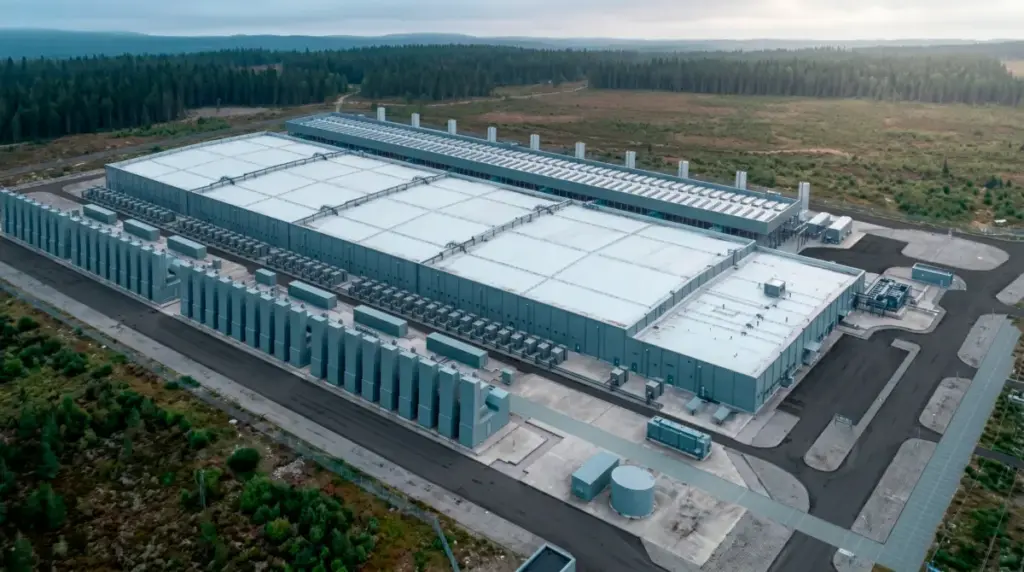
For years, the world’s largest technology companies—often referred to as hyperscalers—have operated under a veil of extreme discretion when it comes to their physical infrastructure. The process of selecting, planning, and constructing the massive data centers that power the global internet was frequently shrouded in non-disclosure agreements (NDAs) and cryptic code names. However, that era of corporate secrecy appears to be coming to an end. In a significant shift in strategy, Google and Meta have recently signaled their intention to adopt more open communication practices, following in the footsteps of pioneers like Microsoft and Amazon Web Services (AWS).
This pivot is not merely a change in public relations philosophy but a pragmatic response to a growing wave of community resistance. As the demand for artificial intelligence and cloud computing necessitates a rapid expansion of physical hardware, the hyperscalers are finding themselves increasingly at odds with the citizens and local governments in the regions where they wish to build. From concerns over massive electricity consumption to fears regarding local water security, the friction between big tech and local communities has reached a boiling point. By abandoning the NDAs that have long been a staple of their site selection processes, these companies are attempting to de-escalate conflicts before they result in costly project delays or total moratoriums.
Google and Meta say they will open up as Microsoft and AWS did before them
The trend toward greater transparency gained significant momentum earlier this month when Amazon Web Services unveiled its new Data Center Commitment. This framework represents a formal acknowledgment that the company’s physical footprint requires a more collaborative relationship with the communities it inhabits. Among the core tenets of this commitment is a pledge to disclose more granular information regarding the energy and water consumption of its facilities. Perhaps more significantly, Amazon indicated it would consider a moratorium on requesting government officials to sign NDAs during the early stages of planning applications.
This move by Amazon is a direct response to the "twitchy" atmosphere surrounding data center development. In many jurisdictions, local officials were previously required to sign strict confidentiality agreements before even learning the identity of the company proposing a multi-billion-dollar project. This often left residents feeling sidelined and suspicious, as major infrastructure changes were negotiated behind closed doors. Amazon’s shift suggests that the company now views transparency as a necessary component of its long-term growth strategy rather than a hurdle to be avoided.
Meta, the parent company of Facebook and Instagram, has also found itself in the crosshairs of public criticism. The company recently announced it was conducting a comprehensive review of its use of NDAs in the wake of a controversial project in Louisiana. Known during its planning stages by the code name "Hyperion," the proposed data center in Richland Parish became a lightning rod for criticism due to the intense secrecy surrounding its development. Local stakeholders and transparency advocates argued that the use of NDAs prevented a meaningful public dialogue about the project’s impact on local resources and infrastructure. The backlash in Louisiana served as a wake-up call for Meta, which is now looking for ways to avoid similar public relations crises in future developments.
 Small Business IT & Cloud Computing
Microsoft Unveils Unified Copilot ‘Super App’ to Streamline Enterprise AI Orchestration and Governance
Microsoft has officially launched its highly anticipated Copilot “super app,” marking a...
 Small Business IT & Cloud Computing
Google Bolsters Android Security with New ‘Enhanced Protection’ for Messaging Scams
In the modern digital landscape, the most sophisticated firewall or biometric lock...
 Small Business IT & Cloud Computing
Trump’s Rebranding of Artificial Intelligence to ‘Super Intelligence’ Sparks Unprecedented Domain Rush for Slovenia’s .si Registry
The global landscape of digital real estate is undergoing a seismic shift...