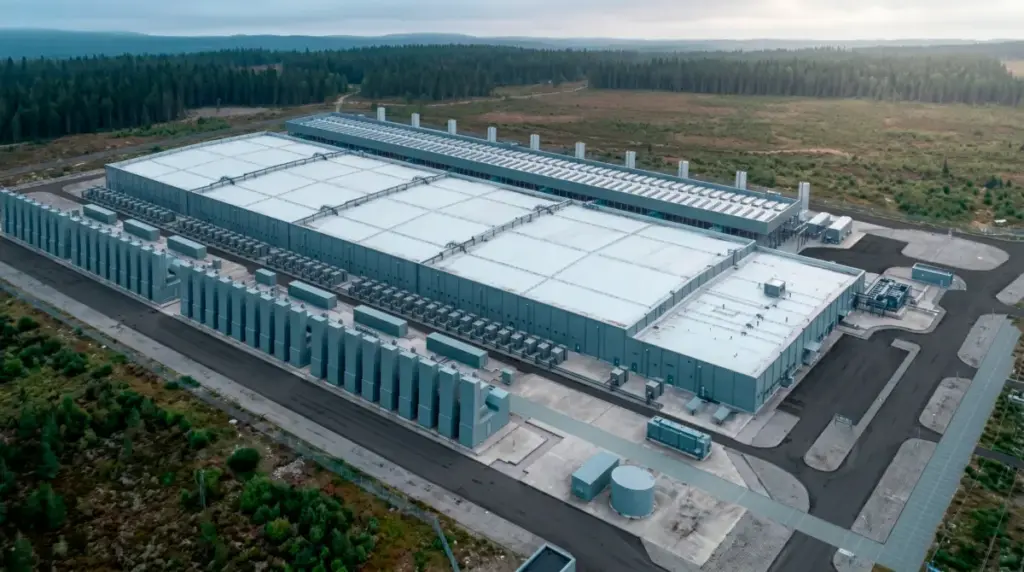
The transition away from NDAs is an attempt to rebuild the trust that was eroded during years of secretive operations. By being more open about their plans from the outset, tech companies hope to engage in a more constructive dialogue with residents. This involves not only sharing data on resource use but also being more transparent about the long-term benefits and drawbacks of a project. It allows for a more honest discussion about how a data center might impact local traffic, noise levels, and the aesthetic character of a community.
However, it remains unclear whether these efforts to be more open will be enough to assuage the deep-seated anger and skepticism directed at new data center plans. For many critics, the issue is not just a lack of transparency but the fundamental scale of the industry’s resource consumption. Even with the most efficient cooling systems and a commitment to using renewable energy sources, the sheer physical presence of these "data factories" can be overwhelming for small communities.
The hyperscalers are also facing a "green-washing" critique. While companies like Google and Microsoft are major investors in renewable energy projects, such as wind and solar farms, the intermittent nature of these energy sources often means that the data centers still rely on the traditional fossil-fuel-heavy grid during peak times or when the sun isn’t shining. As the public becomes more sophisticated in its understanding of corporate sustainability claims, the hyperscalers will likely face even more pressure to prove that their operations are truly compatible with local and global climate goals.
The move to end NDAs marks a definitive end to the "wild west" era of data center expansion. As the physical infrastructure of the internet becomes as vital—and as visible—as highways or power plants, the companies behind them are being forced to accept the responsibilities that come with being a public utility. The coming years will determine if this new-found transparency is a genuine shift in corporate values or a tactical maneuver designed to keep the bulldozers moving. For now, the backlash against the hyperscalers has proven to be too great to ignore, forcing the world’s most powerful companies to finally step out of the shadows and speak directly to the people whose backyards they wish to inhabit.
 Small Business IT & Cloud Computing
After the Blue Tsunami: Why Microsoft Faces a New Era of Oversight, Regulation, and Fiscal Contraction
The political landscape of the United States has undergone a seismic shift...
 Small Business IT & Cloud Computing
Maximizing Mobile Productivity: The Hidden Architecture of Google Messages on Android
In the modern mobile landscape, the smartphone has transitioned from a simple...
 Small Business IT & Cloud Computing
Microsoft Issues Record-Breaking 1,408 Security Updates in October, While SharePoint Flaw Faces Active Attacks
The cybersecurity landscape shifted dramatically this month as Microsoft released its October...