
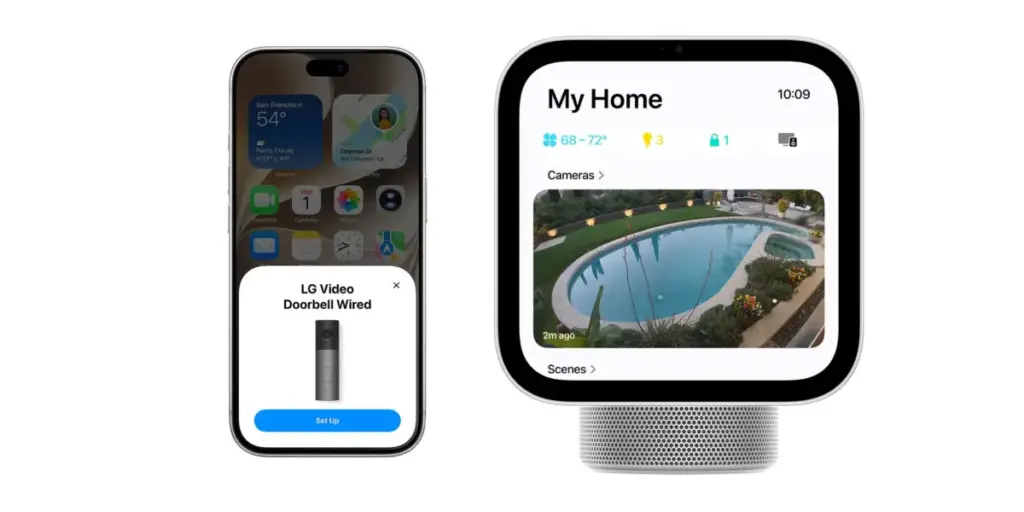
In the fast-paced world of consumer technology, it is often difficult for enthusiasts and early adopters to remember that they exist within a specialized bubble. For those who track every firmware update and hardware revision, smart home technology has been a staple of daily life for over a decade. Some veterans of the scene can even trace their journey back through the decades, recalling the clunky, unreliable days of the X10 industry standard. To this group, the intricacies of networking and device configuration are second nature. However, for the vast majority of the population, the "smart home" remains a daunting prospect defined more by frustration than by convenience.
The recent unveiling of the Apple Home Collection—a curated suite of smart home accessories developed in strategic partnership with industry giants LG and Schneider Electric—has sparked a predictable wave of skepticism among the tech-savvy. Critics point to the premium pricing and the lack of radical new product categories, questioning why a consumer would pay a significant markup for a doorbell or a light switch that, on paper, performs the same functions as much cheaper alternatives. Yet, this perspective may be a classic symptom of the "bubble effect." By focusing strictly on technical specifications and price-to-performance ratios, many geeks are overlooking the single greatest hurdle to mass-market adoption: the user experience of the setup process itself.
HomeKit was a start, but not enough
To understand why the Apple Home Collection represents a potential turning point, one must look at the history of the industry’s attempts to simplify the connected home. In the earliest iterations of home automation, the barrier to entry was physical. Enthusiasts often had to engage in literal soldering, complex wiring, and manual programming to get a single light to turn on via a computer.
The arrival of the smartphone and wireless protocols marked the first major shift toward accessibility. Suddenly, devices could be controlled via an app rather than a terminal. However, this birthed a new problem: "app fatigue." Every manufacturer required its own proprietary application for setup and control. If a user owned products from five different brands, they needed five different apps, none of which communicated with one another.
Apple’s introduction of HomeKit was intended to solve this fragmentation. The vision was elegant: a single "Home" app that served as a universal dashboard, with a rigorous certification process ensuring that any device bearing the HomeKit label would work securely and reliably within the Apple ecosystem. It also pioneered the use of voice control through Siri, moving the interface from the screen to the air.
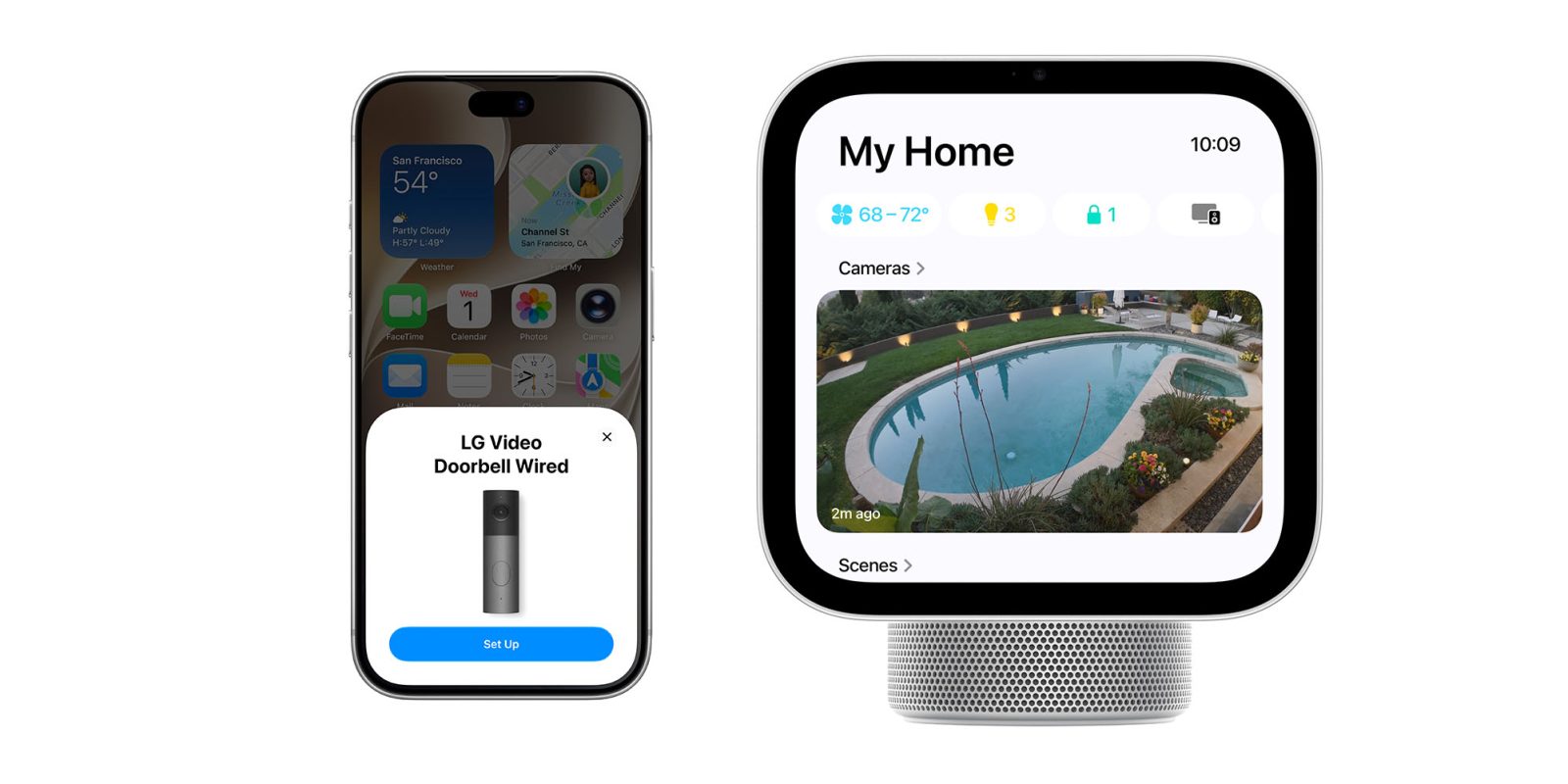
Despite these intentions, the reality often fell short for the average consumer. Even within the HomeKit framework, the initial configuration was rarely a "plug-and-play" experience. Many devices still required users to download a third-party manufacturer app to perform firmware updates or initial handshakes before they would even appear in the Apple Home app. For many, the process of troubleshooting a stubborn smart plug or navigating 2.4GHz versus 5GHz Wi-Fi bands made them feel like unpaid network engineers rather than homeowners enjoying a modern convenience. Furthermore, the strict security requirements of HomeKit meant that fewer manufacturers participated compared to the more open, and consequently more successful, ecosystems of Amazon Alexa and Google Home.
 Smart Home & IoT Solutions
Apple Poised to Enter Smart Home Display Market with New Hardware Inspired by Iconic iMac G4 Design
Apple is reportedly less than two weeks away from unveiling its most...
 Smart Home & IoT Solutions
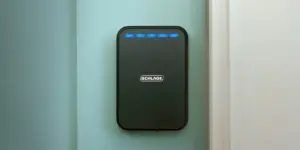
Schlage Set to Launch Sense Pro Smart Deadbolt with Ultra Wideband Support for Seamless Apple Home Integration
The landscape of the modern smart home is undergoing a significant shift...
 Smart Home & IoT Solutions
Abode Expands Smart Home Ecosystem with New Specialized Sensors for Garage and Outdoor Security
In an era where home security is increasingly moving toward integrated, user-managed...







