
Matter and Thread helped
The industry eventually recognized that fragmentation was stifling growth, leading to the development of Matter and Thread. Matter, a universal communication standard, was designed to ensure that smart devices could work across any major platform—Apple, Google, or Amazon—without the need for specific hardware chips for each. Thread, a low-power mesh networking protocol, aimed to make those connections faster and more reliable, reducing the latency and "No Response" errors that plagued earlier Bluetooth and Wi-Fi-based systems.
These standards undoubtedly improved the landscape. They offered a more unified language for devices to speak and simplified the onboarding process to a degree. However, even with Matter, the "last mile" of the user experience remained inconsistent. The practical impact was limited because, while the devices could now talk to each other, the act of introducing a new device into the home still felt like a "tech project" rather than a seamless addition to the household. The psychological barrier for the "normie"—the consumer who wants the benefits of technology without the hobbyist commitment—remained firmly in place.
The Apple Home Collection and the "AirPods Moment"
This historical context explains why the Apple Home Collection is being viewed by industry analysts as a potential catalyst for mass-market change. While the hardware itself—doorbells from LG or electrical components from Schneider—might seem familiar, the software integration represents a radical departure from the status quo.
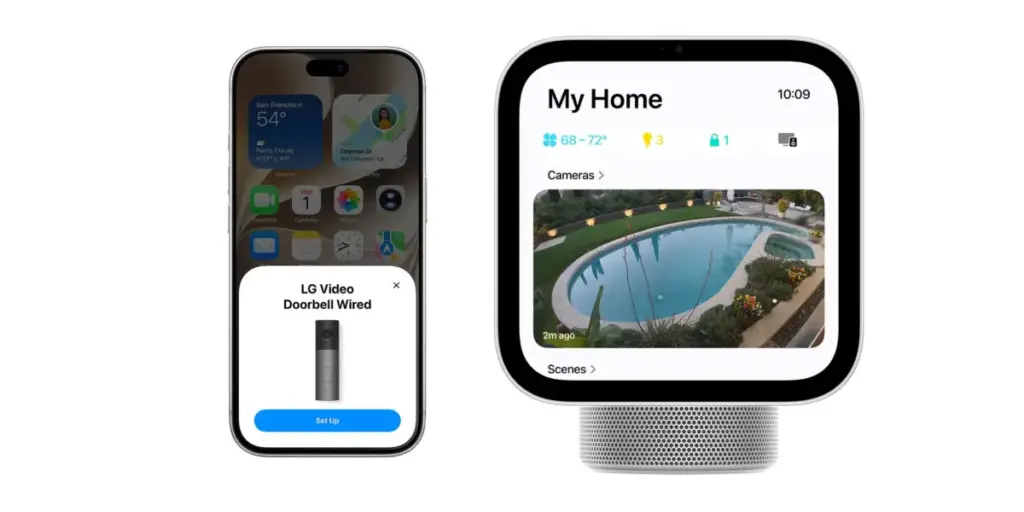
The "fuss" surrounding this collection isn’t about new features; it is about the elimination of friction. For the first time, Apple has applied its "It Just Works" philosophy to the smart home at a foundational level. Reports from early demonstrations suggest that configuring an Apple Home Collection device is now as effortless as pairing a set of AirPods or setting up a new HomePod.
Ajay Kumar, writing for CNET, captured this shift during a hands-on demonstration of the new hardware. He described a scene that would be unrecognizable to anyone who has spent an afternoon wrestling with QR codes and Wi-Fi passwords. Kumar observed an Apple representative pairing and registering a new smart device on both an iPhone and the "HomeView" interface almost instantly, all while maintaining a casual conversation.

According to Kumar, the process appeared entirely automated and proximity-based. By simply bringing the iPhone near the new hardware, the system recognized the device and integrated it into the Home app without the user needing to navigate through layers of menus or troubleshoot connection errors. This "zero-touch" onboarding is what the mass market has been waiting for. It transforms the smart home from a complex system that requires maintenance into a series of appliances that simply function.
 Smart Home & IoT Solutions
Controller for HomeKit Introduces Generative AI to Simplify Complex Smart Home Automations
The landscape of smart home management is undergoing a significant shift as...
 Smart Home & IoT Solutions
The Frictionless Frontier: Why the Apple Home Collection Represents a Turning Point for Smart Home Adoption
In the rapidly evolving landscape of consumer technology, it is often difficult...
 Smart Home & IoT Solutions
Apple and LG Reportedly Partnering on New Suite of Smart Home Accessories to Anchor Major Ecosystem Reboot
Apple is poised to significantly accelerate its presence in the domestic technology...







