
Bridging the Gap to the Mass Market
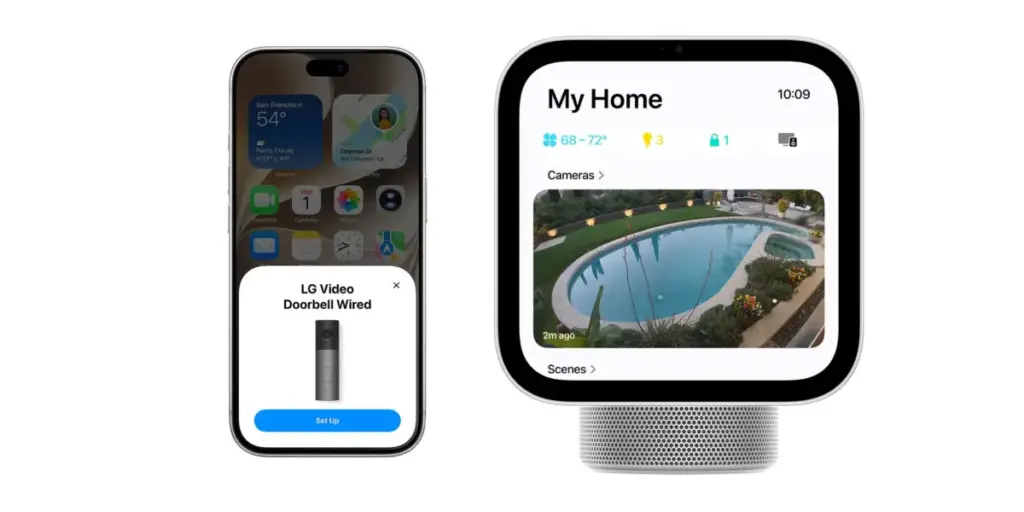
We should not underestimate the importance of this shift for the "non-geek" demographic. While tech enthusiasts might enjoy the process of optimizing their home network or building custom automations, the average person finds these tasks exhausting. Most people have friends or family members who have visited a "smart home," seen the lights dim by voice command, and expressed genuine admiration—only to follow up with, "I could never set that up myself."
The Apple Home Collection is a direct response to that hesitation. It targets the consumer who is willing to pay a premium to avoid the headache of configuration. By partnering with established brands like LG and Schneider, Apple is also providing a sense of hardware reliability that many "startup" smart home brands lack. These are names that consumers already trust to build their televisions and circuit breakers.
If Apple can successfully market the idea that a smart home is no longer a complex engineering project, but rather a simple collection of premium accessories that pair instantly, they may finally break through the adoption ceiling. For the "normie" who has spent years on the sidelines, put off by the apparent complexity and the fear of things breaking, the point of entry has finally been lowered.
The Apple Home Collection may not offer the niche features that power users crave, and it certainly won’t win any awards for budget-friendliness. However, by solving the onboarding problem, Apple is positioning the smart home as a mainstream luxury rather than a geeky hobby. As these devices begin to find their way into the homes of those outside the tech bubble, we may look back at this launch as the moment the smart home finally became a standard feature of the modern household.
The success of this initiative will ultimately depend on whether consumers perceive the "convenience tax" as a price worth paying. But if the history of the iPhone, the iPad, and the AirPods has taught us anything, it is that the mass market will almost always choose the path of least resistance. For the smart home industry, that path is now being paved by the Apple Home Collection.
 Smart Home & IoT Solutions
Abode Expands Apple Home Ecosystem with New Ruggedized Garage and Outdoor Security Sensors
The landscape of DIY home security continues to evolve as homeowners move...
 Smart Home & IoT Solutions
Apple Reportedly Developing Integrated Home Security and Monitoring Service for 2027 Launch
Apple is preparing to significantly escalate its presence in the smart home...
 Smart Home & IoT Solutions
Why the Apple Home Collection Marks a Turning Point for Mass-Market Smart Home Adoption
In the fast-paced world of consumer electronics, it is often easy for...







