
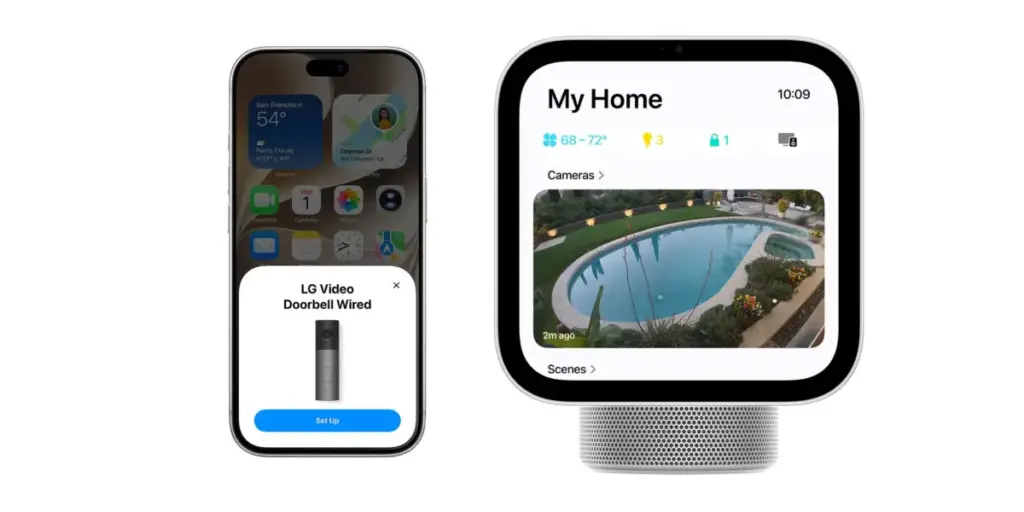
In the fast-paced world of consumer technology, it is often difficult for enthusiasts and early adopters to remember that they exist within a specialized bubble. For those who track every firmware update and hardware revision, smart home technology has been a staple of daily life for over a decade. Some veterans of the scene can even trace their journey back through the decades, recalling the clunky, unreliable days of the X10 industry standard. To this group, the intricacies of networking and device configuration are second nature. However, for the vast majority of the population, the "smart home" remains a daunting prospect defined more by frustration than by convenience.
The recent unveiling of the Apple Home Collection—a curated suite of smart home accessories developed in strategic partnership with industry giants LG and Schneider Electric—has sparked a predictable wave of skepticism among the tech-savvy. Critics point to the premium pricing and the lack of radical new product categories, questioning why a consumer would pay a significant markup for a doorbell or a light switch that, on paper, performs the same functions as much cheaper alternatives. Yet, this perspective may be a classic symptom of the "bubble effect." By focusing strictly on technical specifications and price-to-performance ratios, many geeks are overlooking the single greatest hurdle to mass-market adoption: the user experience of the setup process itself.
HomeKit was a start, but not enough
To understand why the Apple Home Collection represents a potential turning point, one must look at the history of the industry’s attempts to simplify the connected home. In the earliest iterations of home automation, the barrier to entry was physical. Enthusiasts often had to engage in literal soldering, complex wiring, and manual programming to get a single light to turn on via a computer.
The arrival of the smartphone and wireless protocols marked the first major shift toward accessibility. Suddenly, devices could be controlled via an app rather than a terminal. However, this birthed a new problem: "app fatigue." Every manufacturer required its own proprietary application for setup and control. If a user owned products from five different brands, they needed five different apps, none of which communicated with one another.
Apple’s introduction of HomeKit was intended to solve this fragmentation. The vision was elegant: a single "Home" app that served as a universal dashboard, with a rigorous certification process ensuring that any device bearing the HomeKit label would work securely and reliably within the Apple ecosystem. It also pioneered the use of voice control through Siri, moving the interface from the screen to the air.
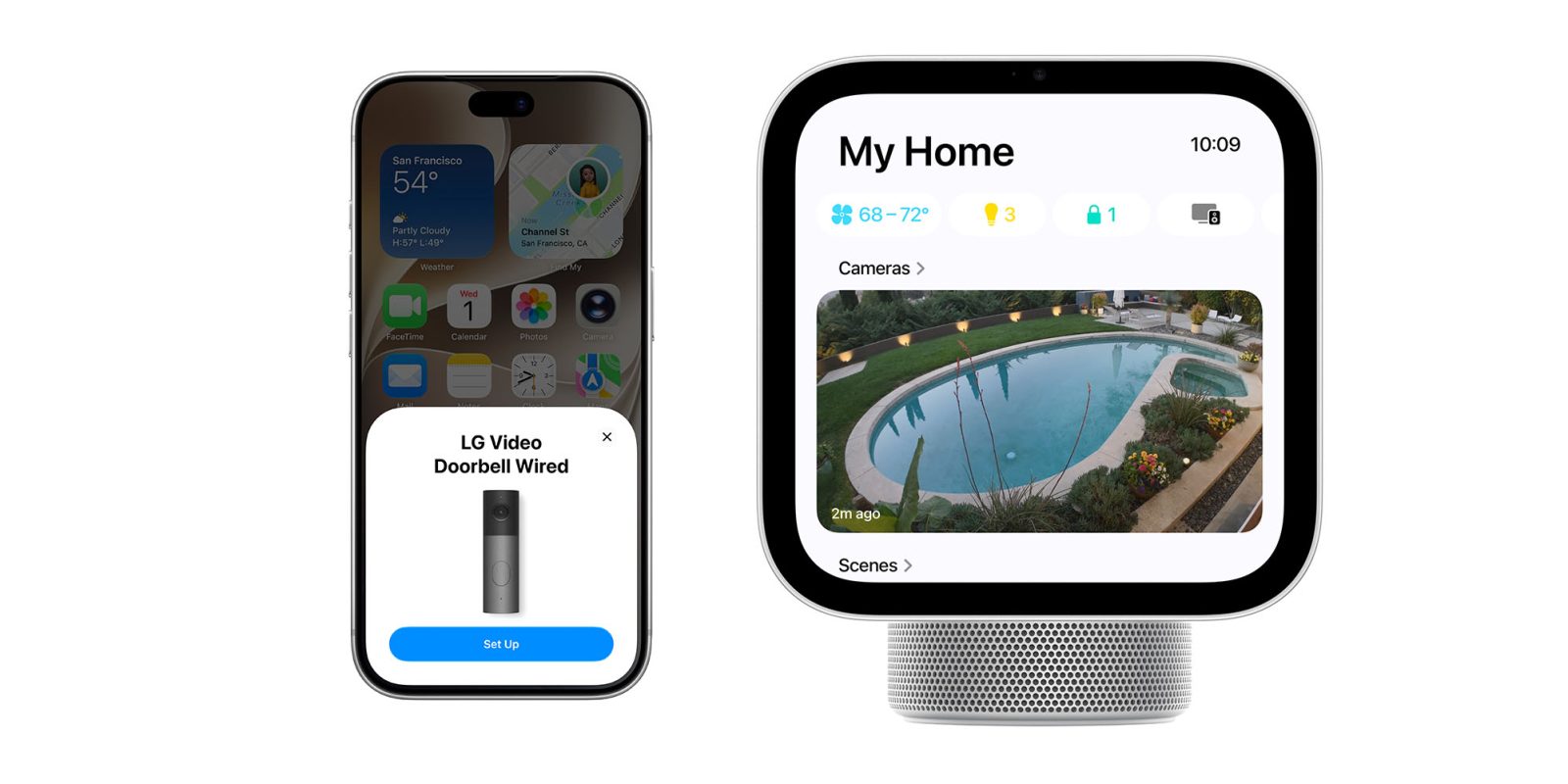
Despite these intentions, the reality often fell short for the average consumer. Even within the HomeKit framework, the initial configuration was rarely a "plug-and-play" experience. Many devices still required users to download a third-party manufacturer app to perform firmware updates or initial handshakes before they would even appear in the Apple Home app. For many, the process of troubleshooting a stubborn smart plug or navigating 2.4GHz versus 5GHz Wi-Fi bands made them feel like unpaid network engineers rather than homeowners enjoying a modern convenience. Furthermore, the strict security requirements of HomeKit meant that fewer manufacturers participated compared to the more open, and consequently more successful, ecosystems of Amazon Alexa and Google Home.
Matter and Thread helped
The industry eventually recognized that fragmentation was stifling growth, leading to the development of Matter and Thread. Matter, a universal communication standard, was designed to ensure that smart devices could work across any major platform—Apple, Google, or Amazon—without the need for specific hardware chips for each. Thread, a low-power mesh networking protocol, aimed to make those connections faster and more reliable, reducing the latency and "No Response" errors that plagued earlier Bluetooth and Wi-Fi-based systems.
These standards undoubtedly improved the landscape. They offered a more unified language for devices to speak and simplified the onboarding process to a degree. However, even with Matter, the "last mile" of the user experience remained inconsistent. The practical impact was limited because, while the devices could now talk to each other, the act of introducing a new device into the home still felt like a "tech project" rather than a seamless addition to the household. The psychological barrier for the "normie"—the consumer who wants the benefits of technology without the hobbyist commitment—remained firmly in place.
The Apple Home Collection and the "AirPods Moment"
This historical context explains why the Apple Home Collection is being viewed by industry analysts as a potential catalyst for mass-market change. While the hardware itself—doorbells from LG or electrical components from Schneider—might seem familiar, the software integration represents a radical departure from the status quo.
The "fuss" surrounding this collection isn’t about new features; it is about the elimination of friction. For the first time, Apple has applied its "It Just Works" philosophy to the smart home at a foundational level. Reports from early demonstrations suggest that configuring an Apple Home Collection device is now as effortless as pairing a set of AirPods or setting up a new HomePod.
Ajay Kumar, writing for CNET, captured this shift during a hands-on demonstration of the new hardware. He described a scene that would be unrecognizable to anyone who has spent an afternoon wrestling with QR codes and Wi-Fi passwords. Kumar observed an Apple representative pairing and registering a new smart device on both an iPhone and the "HomeView" interface almost instantly, all while maintaining a casual conversation.

According to Kumar, the process appeared entirely automated and proximity-based. By simply bringing the iPhone near the new hardware, the system recognized the device and integrated it into the Home app without the user needing to navigate through layers of menus or troubleshoot connection errors. This "zero-touch" onboarding is what the mass market has been waiting for. It transforms the smart home from a complex system that requires maintenance into a series of appliances that simply function.
Bridging the Gap to the Mass Market
We should not underestimate the importance of this shift for the "non-geek" demographic. While tech enthusiasts might enjoy the process of optimizing their home network or building custom automations, the average person finds these tasks exhausting. Most people have friends or family members who have visited a "smart home," seen the lights dim by voice command, and expressed genuine admiration—only to follow up with, "I could never set that up myself."
The Apple Home Collection is a direct response to that hesitation. It targets the consumer who is willing to pay a premium to avoid the headache of configuration. By partnering with established brands like LG and Schneider, Apple is also providing a sense of hardware reliability that many "startup" smart home brands lack. These are names that consumers already trust to build their televisions and circuit breakers.
If Apple can successfully market the idea that a smart home is no longer a complex engineering project, but rather a simple collection of premium accessories that pair instantly, they may finally break through the adoption ceiling. For the "normie" who has spent years on the sidelines, put off by the apparent complexity and the fear of things breaking, the point of entry has finally been lowered.
The Apple Home Collection may not offer the niche features that power users crave, and it certainly won’t win any awards for budget-friendliness. However, by solving the onboarding problem, Apple is positioning the smart home as a mainstream luxury rather than a geeky hobby. As these devices begin to find their way into the homes of those outside the tech bubble, we may look back at this launch as the moment the smart home finally became a standard feature of the modern household.
The success of this initiative will ultimately depend on whether consumers perceive the "convenience tax" as a price worth paying. But if the history of the iPhone, the iPad, and the AirPods has taught us anything, it is that the mass market will almost always choose the path of least resistance. For the smart home industry, that path is now being paved by the Apple Home Collection.
 Smart Home & IoT Solutions
Report: Apple ‘HomeView’ smart home hub will ship in November, come in four colors, A18 chip
While the announcement is imminent, consumers may have to wait a few...
 Smart Home & IoT Solutions
Abode Expands Smart Home Security Ecosystem with New Apple Home-Compatible Garage and Outdoor Sensors
In an era where the boundary between professional-grade security and do-it-yourself convenience...
 Smart Home & IoT Solutions
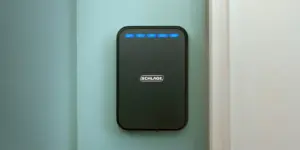
Schlage Announces Launch Date for Sense Pro Smart Deadbolt, Bringing Ultra Wideband Precision to Apple Home Users
The landscape of residential security is undergoing a significant shift as traditional...







