
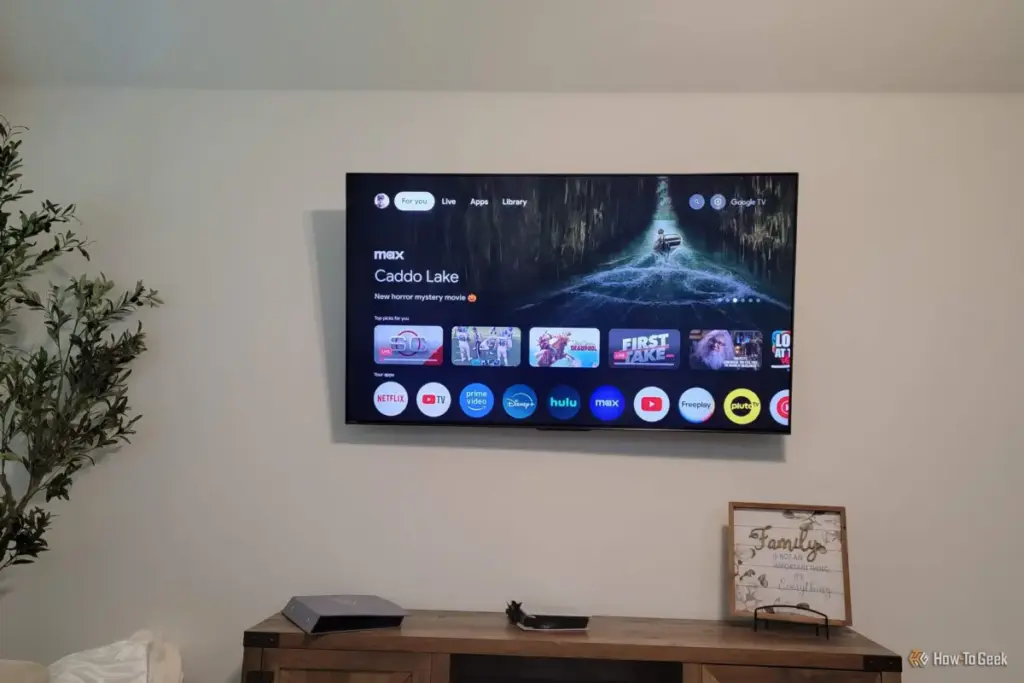
In the modern living room, the television has undergone a radical transformation. No longer a simple receiver of broadcast signals, the contemporary smart TV has evolved into a sophisticated, internet-connected computer designed to sit at the center of a digital ecosystem. Among the most popular of these platforms is Google TV, an interface lauded for its seamless integration with the Google Assistant, its vast library of applications, and its uncanny ability to recommend content tailored to a user’s specific tastes. However, this convenience comes with a hidden cost that is becoming increasingly difficult for privacy-conscious consumers to ignore. The very features that make these devices "smart" are fueled by an exhaustive collection of user data, turning the household’s largest screen into a powerful tool for behavioral tracking and targeted advertising.
For many users, the realization that their viewing habits are being packaged and sold as a commodity is a bridge too far. While Google TV offers a polished experience, it operates on a model of perpetual connectivity and data harvesting. Every search query, every app launch, and every minute spent watching a particular genre contributes to a comprehensive digital fingerprint. For those who prefer to use their televisions as high-quality displays for external devices rather than as standalone smart hubs, the invasive nature of the built-in software feels less like a benefit and more like an unnecessary intrusion.
The Invisible Cost of Connectivity: How Smart TVs Track Every Move
The standard operation of a Google TV device involves a deep level of integration with a user’s Google account. By design, the platform monitors interaction across various streaming services, aggregating data to create a "personalized" experience. While this can result in helpful suggestions for what to watch next, it also enables a sophisticated advertising infrastructure. Most modern smart TVs, including those powered by Google, utilize technology such as Automatic Content Recognition (ACR). This allows the device to identify what is on the screen—regardless of the source—and relay that information back to manufacturers and advertisers.
This data collection is not merely an industry quirk; it is a fundamental part of the business model. In many cases, the hardware itself is sold at thin margins, with the expectation that long-term revenue will be generated through the monetization of user data. This has led to a climate where privacy is often the default sacrifice for technological advancement. Beyond the discomfort of targeted ads, there are legitimate security concerns associated with these "always-on" devices. The FBI has previously issued warnings regarding the vulnerability of smart TVs, noting that poorly secured devices can serve as a gateway for hackers to access a home network. Furthermore, a television equipped with a microphone for voice commands or a camera for video calls represents a potential privacy vulnerability if the software is compromised or if the manufacturer’s data-handling policies are opaque.
For individuals who value the sanctity of their private lives, the prospect of a device in the living room constantly "phoning home" to a central server is unsettling. This concern is what drives many to seek a way to decouple the hardware from the intrusive software, effectively reverting their high-tech centerpiece into a "dumb" display that performs its primary function without the side effect of surveillance.
The "Basic Mode" Solution: A Built-In Escape Hatch
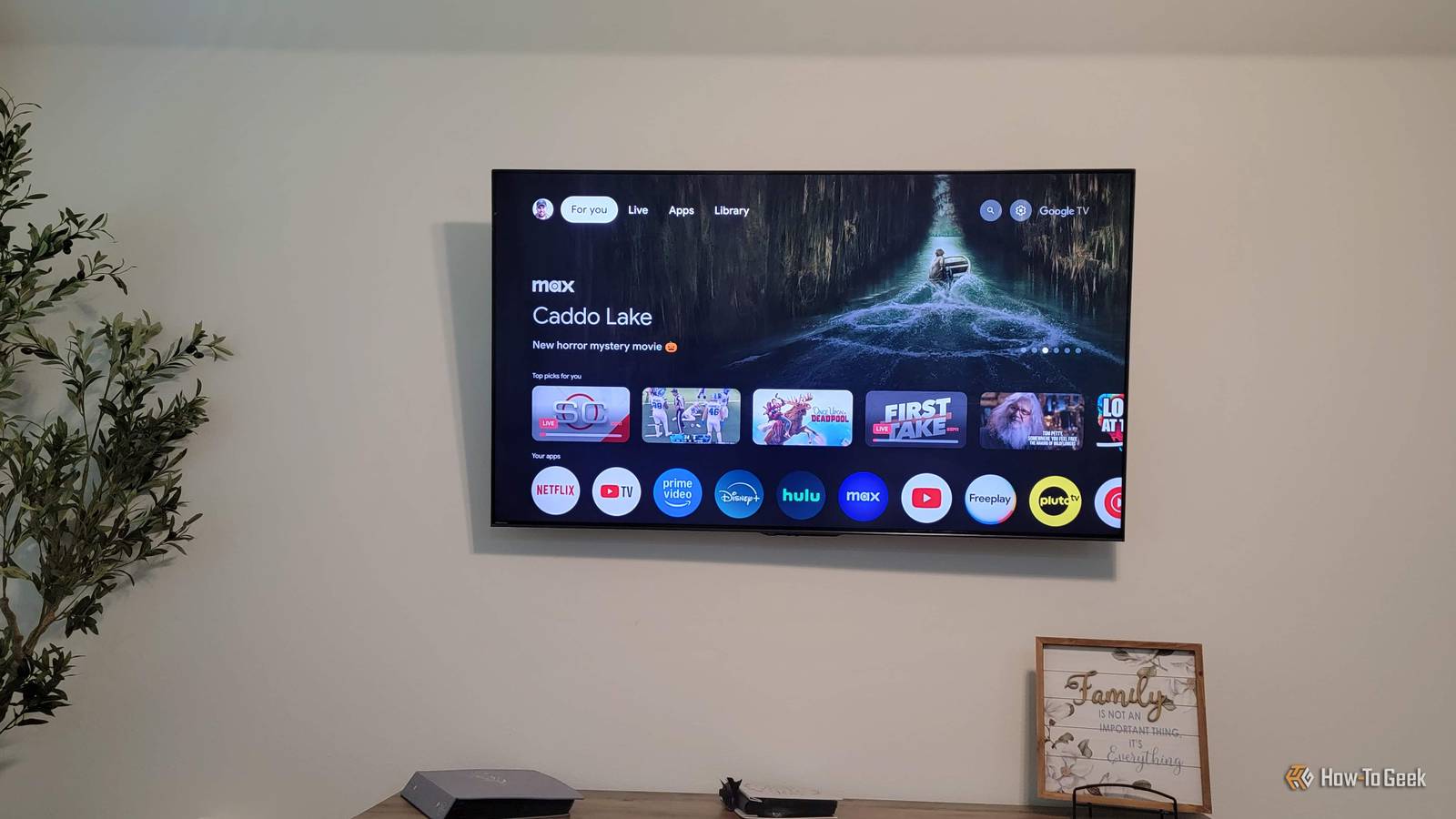
Recognizing that a subset of its user base may be wary of its data practices, Google has included an often-overlooked feature within its setup process: "Basic Mode." This setting is designed to strip away the complex layers of the Google TV interface, providing a much more streamlined and private experience. In Basic Mode, the television functions as a traditional monitor rather than a data-gathering hub. It disables the requirement for a Google account and, perhaps most importantly, allows the device to operate without an active internet connection.
 Tech Tutorials & How-To Guides
Microsoft Security Reports Highlight Growing Need for Advanced Windows 11 Protection Measures
The landscape of digital security is undergoing a fundamental shift as cybercriminals...
 Tech Tutorials & How-To Guides
From Pixels to Plastic: How Major Game Studios are Embracing the Official 3D Printing Movement
The relationship between video games and 3D printing has long been defined...
 Tech Tutorials & How-To Guides
A New Titan in Entertainment: Navigating the Skydance Merger and the Future of Streaming
The landscape of global media has undergone a seismic shift as the...







